

A first-timer’s guide to India
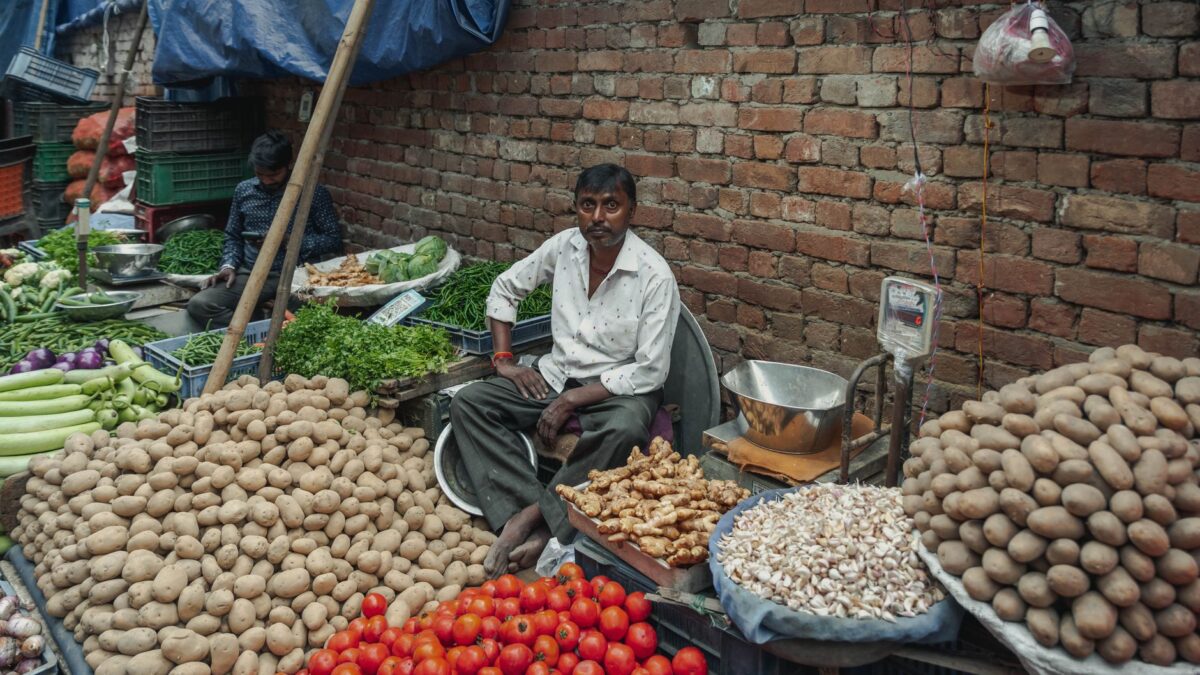
The air in Delhi right now is thick enough to chew. It’s late September, the tail end of the monsoon, and the humidity clings to you like a second skin. Stepping out of the metro station near Connaught Place, I can hear the distant rumble of visarjan processions—Ganeshotsav pandals are wrapping up across the city, their lights flickering against the grey, drizzly sky. This sticky, electric atmosphere is India at its most visceral. If you are arriving as a first-timer, you aren’t just visiting a country; you are stepping into a living, breathing paradox where Mughal forts stand shoulder-to-shoulder with glass-walled embassies, and the cost of a meal might surprise you more than the traffic.
When to Go and How Long to Stay
India does not have one climate; it has several. However, for your first trip, the window between October and March is non-negotiable. You will avoid the blistering 45°C summers and the relentless July-August monsoon deluges. Right now, in September, the city is transitioning. The heat is still there—today’s forecast shows temperatures hitting 35°C with a ‘feels like’ of 39°C—but the rains are clearing. If you visit then, expect occasional showers and evenings that feel like a warm bath.
As for duration, two weeks is the sweet spot. India moves at its own pace, but trying to see too much too quickly leads to exhaustion. A practical itinerary often starts in Delhi, takes in the Golden Triangle (Agra and Jaipur), and perhaps ends in Kerala or Rajasthan. If you only have ten days, stick to the North. If you have three weeks, add the South. Do not rush. The best moments here happen when you stop checking the clock and start watching the street.
Navigating the Chaos: Getting Around
Delhi is vast, layered on eight historic cities, and navigating it requires strategy. Forget haggling with unmarked taxis near New Delhi Railway Station; that is a tourist trap. Instead, embrace the Delhi Metro. It is clean, safe, and arguably the best public transport system in Asia. A single short ride costs about ₹11 ($0.1), and the network caps out at roughly ₹64. For a visitor, the DMRC Smart Card is worth the ₹150 upfront fee for the 10% discount on every trip. Alternatively, if you are staying for a few days, a tourist card might cost around ₹200 for one day or ₹500 for three days.
For point-to-point travel, use app-based cabs like Ola or Uber. An average ride within the city will run you between ₹150 and ₹200 ($2–$2.4). Auto-rickshaws are iconic, but insist on the meter or agree on a price before getting in. The base fare is ₹25, with roughly ₹11 per kilometer thereafter. Be aware that the metro runs from about 06:00 to 23:00, with the Airport Express line starting as early as 04:40. Note that the first coach of every train is reserved for women—a crucial detail for safety and comfort.
The Cost of Living: What Your Money Actually Buys
One of the biggest shocks for first-timers is how affordable India remains, despite recent inflationary pressures. In 2026, prices have crept up slightly—street food items may have risen by ₹10–₹25 compared to previous years—but the value is still extraordinary. You can eat like royalty for less than the price of a coffee in New York.
A modest vegetarian thali at a local eatery costs about ₹120 ($1.4). If you head to Chandni Chowk in Old Delhi for a food crawl, spending ₹300–₹600 ($5–$7) across several stalls will leave you stuffed. Try the chole bhature (spicy chickpeas with fried bread) for ₹80–₹150, or the infamous golgappa (pani puri) for just ₹30–₹40 for six pieces. These small, sour-spicy explosions of flavor are the soul of Indian street food.
Mid-range dining runs ₹500–₹1,000 ($9) per person. A cappuccino at a specialty cafe like Third Wave Coffee or Habidade will set you back around ₹280 ($2.3), while a local chai from a roadside stall is a mere ₹15. Even accommodation is reasonable; a modest one-bedroom flat in the city centre rents for about ₹24,000 ($235) monthly, though as a traveler, you’ll find hotels ranging from heritage stays like Hotel Vedas Heritage to luxury options like Jaypee Siddharth. Remember, gas-driven prices for essentials like milk (₹60/litre) and bread (₹45/loaf) have seen minor hikes, but they remain cheap globally.
Practical Essentials: Visa, SIM, and Safety
Bureaucracy in India can be daunting, but pre-planning smooths the path. Most visitors need an e-Tourist Visa, applied for at indianvisaonline.gov.in. Options include 30-day, 1-year, or 5-year visas. Since September 2025, the Bureau of Immigration operates under the Immigration and Foreigners Act, 2025. If you are staying longer than 180 days on employment or student visas, you must register with the FRRO within 14 days via the e-FRRO portal. Delhi’s FRRO office is located at Bhikaji Cama Place.
Connectivity is vital. Prepaid SIM cards are sold by Jio, Airtel, Vi, and BSNL. As a foreigner, you must present your passport and visa, along with a local address, for verification. Activation can take up to 24 hours. Many short-term visitors opt for an Airalo eSIM instead to avoid the paperwork. For banking, opening a local account is difficult on a tourist visa; you generally need a long-term visa, PAN card, and proof of address. Stick to using international cards or cash for daily expenses.
Safety is a common concern, particularly for women. While Delhi is generally safe for tourists who exercise standard caution, petty crime exists. Use the Tourist Police if needed, and always dial 112 for emergencies. Women should utilize the dedicated metro coaches and be wary of touts near major railway stations. Dressing conservatively helps blend in and respects local sensibilities. Also, be mindful of current civic dynamics; with political shifts in 2025 affecting infrastructure and services, stay informed on local news.
Where to Start: Districts and Must-Sees
Delhi is not one city but many. Start in Lutyens’ Delhi for the grandeur: India Gate, Rashtrapati Bhavan, and the wide, tree-lined avenues designed by Edwin Lutyens. Then, cross into Old Delhi (Shahjahanabad) for the chaos. Walk through the Red Fort, visit Jama Masjid, and get lost in the spice markets of Khari Baoli. The sensory overload is intentional and beautiful.
In the afternoons, retreat to Humayun’s Tomb and the adjacent Sunder Nursery for a quiet walk among Mughal gardens. As evening falls, head to Hauz Khas. Once a medieval reservoir, it is now a hub of galleries, boutiques, and rooftop bars beside Deer Park, where you might spot deer and peacocks mingling with students from nearby NIFT. If you enjoy culture, check the schedule at the India Habitat Centre for theatre or catch a qawwali night at Hazrat Nizamuddin Dargah—a spiritual experience that transcends language.
India will challenge you. It will exhaust you. But it will also feed you, delight you, and change your perspective on time and community. Pack light, carry hand sanitizer, drink bottled water, and keep an open mind. The rest will take care of itself.
Frequently asked questions
What is the best time of year to visit India?
The ideal window is October to March when temperatures are mild. September and April are transitional months that can be hot or humid, while July-August brings heavy monsoon rains.
How much does a meal cost in India?
Street food like pani puri costs around ₹30–₹40 ($0.4), while a local thali is about ₹120 ($1.4). Mid-range restaurants typically charge ₹500–₹1,000 ($9) per person.
Do I need a visa to enter India?
Most tourists require an e-Tourist Visa applied for at indianvisaonline.gov.in. Visitors on long-term visas (over 180 days) must register with the FRRO within 14 days of arrival.
Is the Delhi Metro safe and easy to use?
Yes, it is clean, efficient, and safe. Fares range from ₹11 to ₹64. The first coach is reserved for women, and smart cards offer a 10% discount on rides.
How can I get mobile connectivity in India?
Buy a prepaid SIM from providers like Jio or Airtel at official stores. You must show your passport and visa for verification. Alternatively, use an eSIM service like Airalo.
Things to do in India
 Taj Mahal, Agra Fort & Baby Taj Tour from Delhi with 5 Star Lunch
 The Chef @ 11:30 am (4 Main Dishes + 3 Breads)
 6-Day Private Tour of the Golden Triangle
 Private Guided Cooking Workshop Experience in Jodhphur
 Golden Triangle Tour: Private Delhi Agra Jaipur 5 Nights 6 Days
 3 Day Private Golden Triangle Tour Delhi Agra Jaipur