

How much does a trip to Estonia cost?
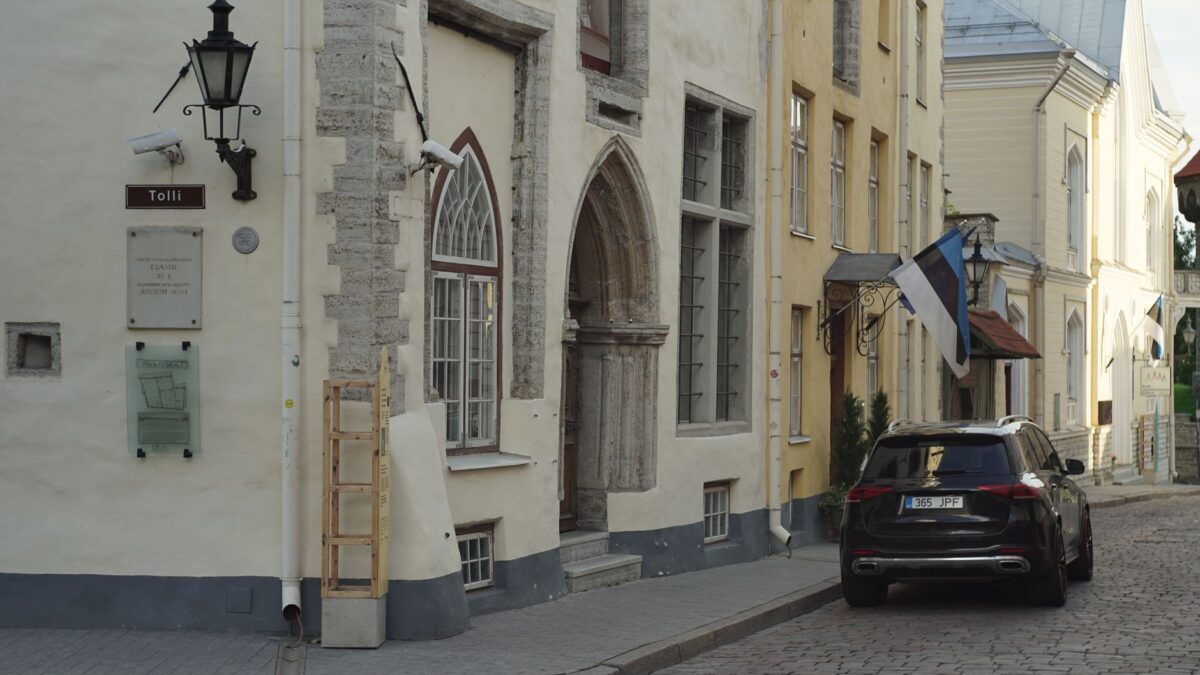
The rain was lashing the cobblestones of Town Hall Square when I ducked into Cafe Maiasmokk, the oldest café in Tallinn, for a €3.50 cappuccino and a slice of marzipan cake. Outside, the Alexander Nevsky Cathedral’s onion domes were barely visible through the downpour, and I watched a group of tourists huddle under the arcade of the Raeapteek, Europe’s oldest working pharmacy, before making a dash for the Gothic Town Hall. That’s Tallinn for you — even on a wet August afternoon, with 25mm of rain falling over nine hours and the wind gusting at 46 km/h, this medieval capital refuses to be anything less than magical. And here’s the good news: it won’t break the bank either.
The Big Picture: What Does Tallinn Actually Cost?
Let’s cut to the chase. Estonia uses the euro (EUR), and after years of inflation (4.8% in 2024), prices have crept up — but Tallinn remains a moderate-priced European capital. You’re looking at roughly 20–30% less than Berlin or Amsterdam for most things. A night in a mid-range hotel will set you back about €60–€90 for a double room, a meal at an inexpensive local restaurant hovers around €15, and a local draught beer in a pub is about €5–€5.75. If you’re coming from the US, that’s roughly $0.92 per euro (2024 rate), so a €15 lunch is about $14 — not bad for a UNESCO World Heritage backdrop.
But let’s get specific. Below is a realistic daily budget breakdown for three styles of travel, using real current prices from the ground in Tallinn.
Accommodation: Where to Sleep and What It Costs
Budget (€30–€50/night): For shoestring travelers, hostels in the Old Town (Vanalinn) or around the Balti Jaama Turg area in Kalamaja run about €20–€35 for a dorm bed. If you want a private room, look at budget guesthouses outside the centre — a modest one-bedroom flat outside the city centre rents for about €500–€700 per month, so a short-term rental on that basis can work out to €25–€35 a night if you book ahead for a week. The Lasnamäe district, with its Soviet-era panel high-rises, is the most affordable for longer stays, though it’s a 20-minute tram from the centre.
Mid-range (€60–€90/night): This gets you a solid 3–4 star guesthouse or hotel room. I’d point you to the Meriton Old Town Garden Hotel, tucked just off the city wall, or the GO Hotel Shnelli near the Baltic Station, where double rooms typically fall in this range. For a bit more character, try a apartment in the Kalamaja district — colorful wooden houses, the hip Telliskivi Creative City complex, and the Balti Jaama Turg market all within walking distance of the Old Town.
Comfortable (€120–€250+/night): If you’re celebrating something, book the Three Sisters Hotel, a member of Leading Hotels of the World, set in three medieval merchant houses in the Old Town. Or try Revelton Suites for modern apartments with all the amenities. The upscale Kadriorg district, with its baroque palace and embassies, offers boutique guesthouses around €100–€150. For a seaside feel, Pirita has hotels near the beach and marina — expect €80–€120.
Food: From the Farmers Market to Fine Dining
Budget (€15–€25/day): Breakfast can be a pastry and coffee for about €3.50 at a local café like Kodu Coffee Roaster or Ristikheina Cafe. For lunch, the Balti Jaama Turg market in Kalamaja has cheap street food — a solid soup or sandwich runs €6–€9. Grab groceries at a Selver or Prisma supermarket: a litre of milk costs about €1.30–€1.40, a loaf of bread €1.10–€1.20, and you can assemble a picnic for €5. For dinner, choose a pub and get a hearty plate of Estonian comfort food for €10–€12.
Mid-range (€30–€45/day): The sweet spot. Start with a cappuccino at Kofeman Cafe (€3.50), then lunch at Farm or KOGU Resto — expect €12–€16 for a main. In the evening, hit Restaurant Rataskaevu 16 — my absolute favorite — where a two-course dinner for two with a drink runs about €60–€80, so €30–€40 per person. Don’t miss a half-litre of local draught at Restaurant & Bar Kolm Sibulat: €5–€5.75.
Comfortable (€70–€120/day): Splurge on a medieval-themed dinner at Restoran Olde Hansa in the Old Town, where a full feast with mead runs €50+. Or hit a high-end spot in the Rotermann Quarter — expect €70–€90 per person for three courses with wine. You’re paying for atmosphere and excellent service, and the food will be memorable.
Getting Around: Buses, Trams, and the Free City Trick
Here’s a gem: registered Tallinn residents ride city buses and trams for free. But you’re a visitor, so you pay. A single one-hour ticket is €2 when you tap your contactless bank card, or €2.50 if you buy cash from the driver. If you’re staying 24 hours, get the 24h pass for €5.50, or the 72h pass for €9. The transit card (Ühiskaart) costs €3 since December 2025, but visitors can skip it and just use tap-to-pay. The monthly non-resident pass is €30 — worth it if you’re staying a month.
For the eco-minded, Tallinn’s Pirita Promenade is flat and bike-friendly, and you can rent a city bike for about €1.5/hour. Taxis via Bolt (founded here) have a base fare of €3–€4, and a short city-centre hop runs €5–€8. Walking is free, and you’ll want to walk the 1.9 km of the city wall that remains — but mind the slippery cobblestones in the rain!
Attractions and Entertainment: The Price of Culture
The heavy hitters: The Seaplane Harbour (Lennusadam – Eesti Meremuuseum) is a must — entry is about €15, and includes the submarine Lembit and interactive exhibits. The Estonian Art Museum (KUMU) costs around €12, while the Kadriorg Art Museum (in the baroque palace) is a bit less, maybe €9. The Estonian Maritime Museum – Fat Margaret (the old cannon tower) runs about €10. Typical city museums like Kiek in de Kök are €8–€12. Budget about €35–€50 per day for major sights and a guided Old Town walk.
Freebies: The Old Town itself is free to wander, and so is Toompea Castle (where the parliament meets) and the adjacent Alexander Nevsky Cathedral. The Tallinn Song Festival Grounds (Lauluväljak) is free to enter and deeply moving — it’s where the Singing Revolution found its voice. The Estonian Open Air Museum near Rocca al Mare costs about €12, but you can picnic in its woods for free.
So, What’s the Daily Total?
Budget traveler (€45–€60/day): Dorm bed (€25), street food and groceries (€15), two single transit tickets (€4), one museum (€10), a beer (€5).
Mid-range explorer (€100–€140/day): Guesthouse room (€70), lunch and a nice dinner (€40), transit pass (€5.50 for 24h), one big attraction (€15), a cocktail (€8).
Comfortable connoisseur (€200–€300/day): Boutique hotel (€130), restaurant meals (€80), a taxi or Bolt (€10), premium museum entries and a show (€40), champagne at Revelton (€30).
Don’t forget: the nearby Lahemaa National Park is an hour east — a day trip costs under €20 with a bus ticket, and you can walk the bogs, spot moose, and breathe pine air. Rain or shine, Tallinn rewards those who bundle up and get out there.
One last quirk: if you stay more than 3 months (and you’ll want to), you’ll need to register your address and get a personal code (isikukood) — then the buses become free, just like the locals. Until then, tap your card, look up at the Pikk Hermann tower where the flag flies, and enjoy a city that’s part medieval dream, part modern tech hub — and surprisingly kind to your wallet.
Frequently asked questions
Is Estonia expensive for tourists?
Tallinn is moderate-priced for a European capital — about 20–30% cheaper than Western Europe. Expect €60–€90 for a mid-range hotel, €15 for an inexpensive meal, and €2 for a single transit ticket.
How much money do I need per day in Tallinn?
A budget traveler can get by on €45–€60/day (dorm, street food, one museum). Mid-range costs €100–€140/day (guesthouse, nice dinners, attractions). Comfortable travel runs €200–€300/day with upscale hotels and fine dining.
Is public transport in Tallinn free for visitors?
No. Only registered Tallinn residents ride free. Visitors pay €2 per ride by contactless bank card, €2.50 cash from driver, or buy a 24h pass for €5.50 / 72h for €9.
What is the currency in Estonia and what does it look like for US travelers?
Estonia uses the euro (EUR). As of 2024, the exchange rate is about 0.924 euros per US dollar, so €1 is roughly $1.08. Prices are moderate, and your dollar will stretch further than in Paris or London.
What are the must-see attractions in Tallinn and their prices?
The Old Town is free and stunning. The Seaplane Harbour (Lennusadam) costs about €15, KUMU art museum €12, Kadriorg Palace €9, and the Kiek in de Kök tower €8–€12. The Toompea Castle and Alexander Nevsky Cathedral are free to visit.


