

Moving to Uganda: visas, banking and SIM cards
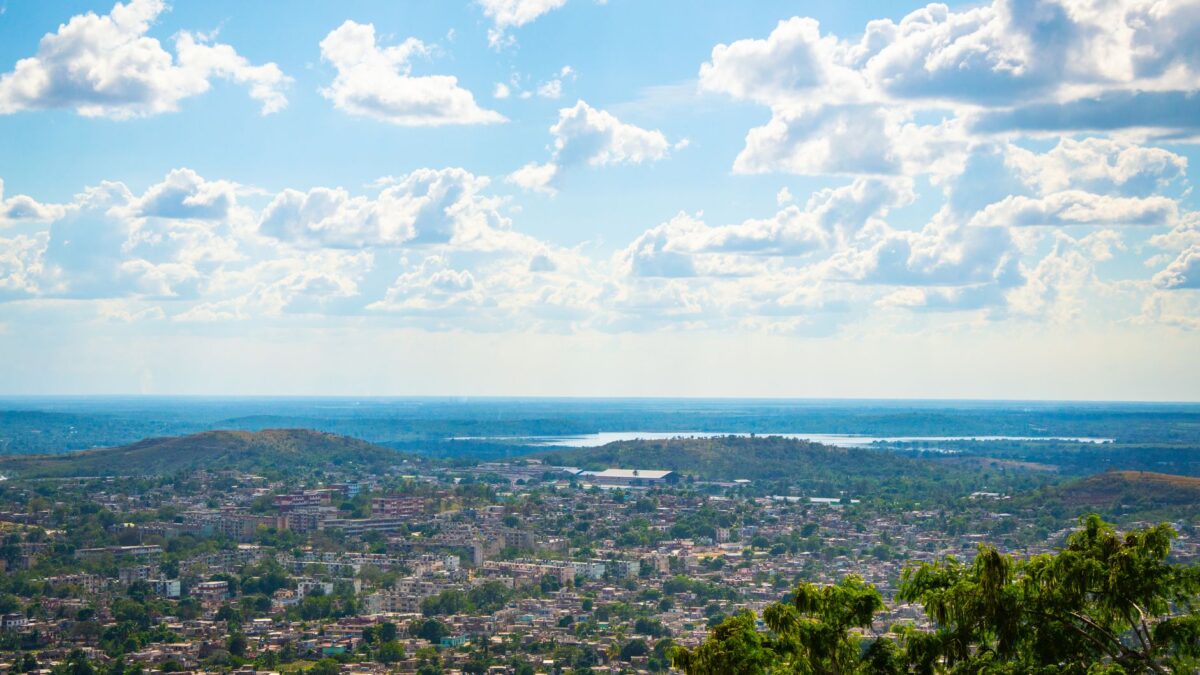
The first time you step out of Entebbe Airport into the warm, wet air of a Kampala evening, you’ll notice the light drizzle softening the glow of the boda bodas that swarm the parking lot. It’s 19°C, the kind of mild that makes you forget you’re just 32 kilometers from the equator. By the time your taxi crawls up Kampala Road, the sky will have cleared, and the city’s seven hills will be outlined in streetlight. That’s your first night. Here’s your first week.
Entry and residence: visas, permits, and the yellow fever card
Before you even think about SIM cards or bank accounts, sort out your legal status. The official portal is visas.immigration.go.ug, and you should apply online before you land. A single-entry tourist visa costs around US$50 and lasts 90 days; if you plan to hop to Kenya or Rwanda, the East African Tourist Visa at about US$100 covers all three countries. Either way, your passport must be valid for at least six months, and you will be asked for your yellow-fever certificate. The immigration officers at Entebbe are polite but thorough, and visa-on-arrival is technically possible but discouraged — you’ll sit in a slow queue while the e-visa holders breeze through. Citizens of African Union countries get visa-free entry for up to 90 days, so if that’s you, carry your passport and enjoy the simpler welcome.
For a longer stay, you need a work or residence permit from the Directorate of Citizenship and Immigration Control (DCIC) in Kampala. The process involves biometric capture — done either at Entebbe airport on arrival or at the DCIC offices on Jinja Road. You’ll want to start this as soon as you have a job offer or a clear reason for staying. The permits are renewable, but don’t let the expiry slip past you; the overstay fines are not worth the headache. The whole thing takes a few weeks, so get the paperwork moving on day two, not day thirty.
Opening a bank account: paperwork, mobile money, and the real daily currency
Uganda’s banking system is solid, but it moves at its own pace. The major banks are Stanbic, Absa, Standard Chartered, dfcu, and Centenary; you’ll find branches in Kololo, Nakasero, and Ntinda. To open an account, bring your passport, your residence permit or proof of application, a utility bill or your rental contract as proof of address, and sometimes a letter from your employer. It’s not unusual for a bank to ask for a reference — a local contact with an account can help smooth the process. Budget a morning for it; the paperwork is thorough.
But here’s the thing: the real currency of daily life in Kampala is not the shilling in your account — it’s mobile money. MTN MoMo and Airtel Money are everywhere. Your landlord might accept a bank transfer, but the market vendor selling matooke at Nakasero Market wants MoMo. The boda boda driver wants MoMo. The guy at the rolex stand, who charges about 1,500 to 2,000 UGX for a chapati-wrapped egg and veg, has a MoMo merchant number. So after you open your bank account, walk to an MTN or Airtel shop, register a SIM with your passport, and set up mobile money. Linking your bank to your MoMo account is easy — most banks allow it — and then you can transfer funds between the two in minutes. It’s not an either/or; it’s both.
Getting a SIM card and setting up connectivity
You’ll find MTN and Airtel shops on almost every main street in Kampala — in Ntinda, there’s one next to the mall; in Bugolobi, there’s a kiosk near The Village Mall. Bring your passport; registration is mandatory, and they will scan it and take a photo. It takes ten minutes. You’ll get a SIM, a number, and a data package. MTN has broader rural coverage if you plan to travel; Airtel is slightly cheaper for data in the city. For a month of decent data, expect to pay around 30,000 to 50,000 UGX (roughly US$8–13). Top up via MoMo or at any airtime vendor — they’re on every corner.
One thing to know: your phone will be bombarded with promotional SMS from both networks. Ignore them. But do activate the eSIM-friendly options if your phone supports them; it saves you juggling a physical SIM. And when you’re moving around the city, remember that the KaCyber Go Card — a contactless transit card — now works on the Kiira Motors electric buses (E-Bus Xpress). The fare from City Square to Ntinda is fixed at about 1,500 UGX, and you can pay with the card, your phone, or via MoMo. It’s a nice break from the matatu chaos, but for the daily grind, you’ll mostly rely on matatus (1,000 to 2,000 UGX per ride) and boda bodas (2,000 to 5,000 UGX for a short hop). Use SafeBoda or Uber for safety and fixed prices, especially at night.
Finding your footing: neighborhoods, transport, and safety
Where you live in Kampala says a lot about your first year. If you want the expat bubble, Kololo is your hill — embassies, Acacia Mall, the Uganda Golf Club, and a buzzing nightlife. It’s the city’s most prestigious address, and a modest one-bedroom flat there will run you anywhere from 350,000 to 550,000 UGX (about US$120) per month, unfurnished. The citywide average for a one-bedroom is higher, around 1,060,000 UGX, so don’t be shocked if you see that figure on listings. Nakasero, near Parliament and the Serena and Sheraton hotels, is central and sharp — but you’ll pay for the convenience. Naguru is leafy and modern, with Kabira Country Club and KISU for families, while Muyenga (Tank Hill) offers those panoramic Lake Victoria views and a cooler breeze; Bugolobi suits young professionals who want the Village Mall and a short commute to Nakawa. Ntinda is where I’d drop a first-time resident: mature, affordable, full of banks, malls, and eateries, and with a growing apartment block on every street. You’ll find a decent one-bedroom there for around 400,000 to 500,000 UGX.
Getting around is an adventure. Matatus are cheap but chaotic; boda bodas are faster but riskier. The unofficial rule is to never wave your phone around on the back of a boda — phone-snatching is the city’s top petty crime. Keep your bag on the side away from the road, and use SafeBoda or Uber for official trips. By day, Kampala is friendly and relatively safe; at night, stick to well-lit areas and don’t walk alone late in isolated spots. You’ll quickly learn the rhythm: traffic on Jinja Road at 5pm is a beast, so build your meetings around it.
Culture and reality checks: markets, food, and settling in
Once your SIM is active and your bank card is in your pocket, start living. Take a morning to climb the 340 steps of the Gaddafi National Mosque on Old Kampala Hill — the 360° view is worth every step. Visit the Kasubi Tombs, a UNESCO site that’s the royal burial ground of four Buganda kabakas, and the Kabaka’s Palace in Mengo, where the Idi Amin-era torture chambers will give you a sober history lesson. The Uganda Museum on Kira Road is East Africa’s oldest, and the Baha’i House of Worship on Kikaya Hill is a serene, nine-sided escape with gardens perfect for birding.
Food is cheap and vibrant. A rolex from a street stall is under 3,000 UGX — a meal in your hand. A plate of matooke with beef or groundnut stew runs 5,000 to 10,000 UGX at an inexpensive eatery, where a full meal is around 7,500 UGX. A mid-range restaurant will cost about 17,500 UGX, and a café coffee is about 4,000 UGX. Nakasero Market is a chaotic kaleidoscope — a bunch of matooke goes for about 30,000 UGX, and the price has drifted up from dry spells, but it’s still the city’s beating heart. Owino Market (St. Balikuddembe) is even wilder — secondhand clothes, produce, and the best street food near the center. On weekends, catch a performance at the Ndere Cultural Centre, where you’ll see traditional dances from every ethnic group, or just sit at a café like Kardamom & Koffee and watch the city move.
Final checklist and a quick sanity note
By the end of your first week, you should have: your e-visa stamped, a DCIC appointment for your residence permit, a bank account with a working MoMo link, a local SIM, and a much better idea of whether Kololo or Ntinda feels more like home. You’ll also have paid 2,000 UGX for a matatu, maybe overpaid a boda driver, and learned that a rolex is not a watch. The currency is shillings, and the exchange rate is about 3,757 UGX per US dollar, so keep rough mental math: 5,000 UGX is about US$1.30. Kampala will test your patience — the traffic, the bureaucracy, and the relentless energy — but it will also welcome you with a warmth you’ll find in few other cities. Don’t be afraid to ask a stranger for directions; they’ll likely walk you there. That’s the Kampala way.
Frequently asked questions
Do I need a visa to enter Uganda for a long stay?
Yes, unless you're an AU citizen (visa-free up to 90 days). Apply online at visas.immigration.go.ug for a single-entry tourist visa (US$50) or East African Tourist Visa (US$100). For longer stays, you'll need a work or residence permit from DCIC in Kampala.
Can a foreigner open a bank account in Uganda?
Yes. Major banks like Stanbic, Absa, and Centenary require your passport, residence permit (or proof of application), proof of address, and sometimes a reference. Expect it to take a morning.
How do I get a local SIM card in Uganda?
Buy one from an MTN or Airtel shop with your passport. Registration is mandatory and takes about 10 minutes. You'll get a data package and a mobile money (MoMo) account linked to the number.
What's the best neighborhood for a newcomer in Kampala?
Ntinda is a good balance of affordability (around 400,000–500,000 UGX for a one-bedroom), convenience, and services. Kololo and Naguru are pricier and more expat-friendly, while Bugolobi suits young professionals.
Is mobile money really essential in Uganda?
Yes. MTN MoMo and Airtel Money are used for everything from paying rent to buying street food. Set up your mobile money account right after getting your SIM and link it to your bank for easy transfers.
Things to do in Uganda
 Jinja day tour exploring the source of River Nile
 Private 3 Day Gorilla Trekking Safari in Uganda
 8-Day Classic Uganda Primates & Wildlife Tour
 Unforgettable 3 days Murchison falls.
 14 Days Uganda Safari Adventure, Gorilla Trekking and WildlifeTour
 Private 2 days Murchison Falls and Wildlife Game Viewing