

The best time to visit Philippines
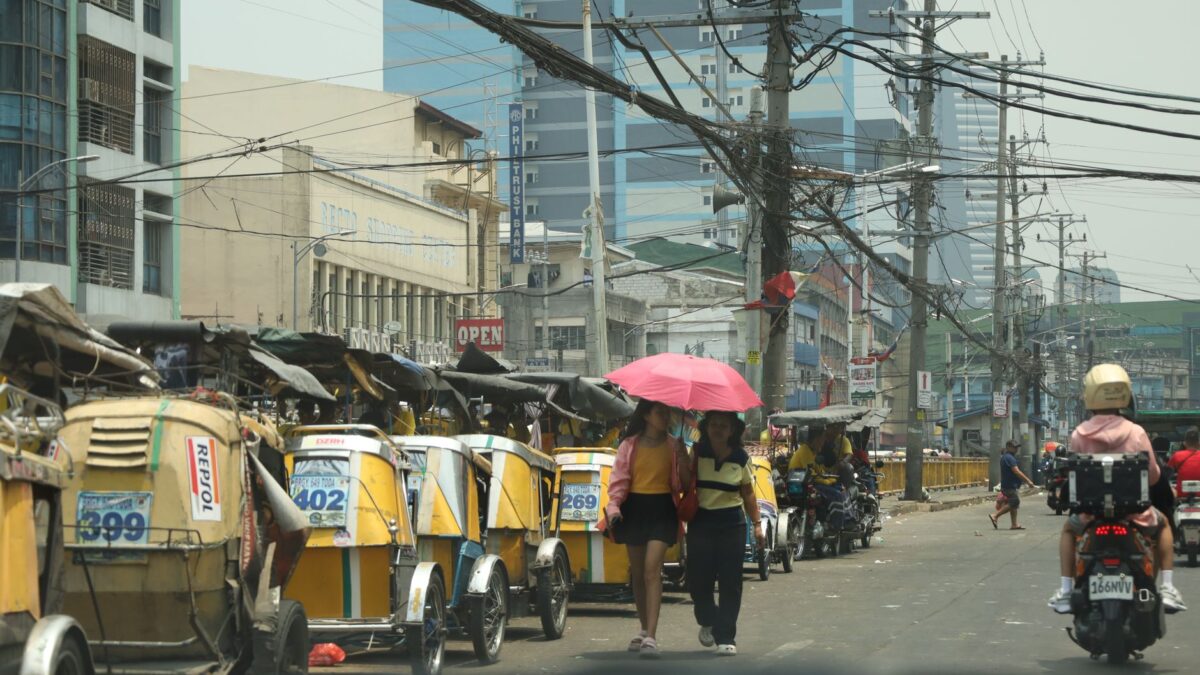
Thunder rumbles over the Makati skyline as I write this, and the air outside my window is thick enough to swim through. Just this morning, the forecast read 26–27°C with a real-feel of 31°C, and then the sky opened up—46mm of rain in a single day, flooding the usual gutters along Ayala Avenue. This is late August in Manila: deep in the habit-forming southwest monsoon, or habagat, and the city has learned to live with it. But here’s the thing—timing your visit to the Philippines isn’t about chasing perfect sunshine. It’s about knowing what you’re willing to trade: clear skies for empty beaches, festival crowds for lower prices, and the occasional typhoon for the chance to eat halo-halo while the rain drums on the roof. Let me walk you through the seasons so you can pick the month that fits your kind of adventure.
December to February: The Cool, Dry Sweet Spot
This is the Philippines at its most Instagrammable. The northeast monsoon (or amihan) pushes in cool, dry air from Siberia, dropping Manila’s daytime temperatures to a breezy 24–28°C. You’ll still get the occasional afternoon shower, but they pass quickly, and the streets of Intramuros—cobblestones glistening after a rinse—are pure magic. The Christmas season extends into January, so expect malls like SM Mall of Asia and Greenbelt to be strung with lights, and the air filled with the smell of bibingka and puto bumbong from street vendors.
Prices? At their peak. A night in a budget guesthouse in Malate or Ermita runs about ₱600–1,500 (roughly $18), but a mid-range hotel in Makati or BGC jumps to ₱2,000–3,500, and December can push that higher. Crowds are thick with balikbayans (returning Filipinos) and tourists from colder climates, so book flights and accommodations well ahead. If you want to experience the world’s longest Christmas season without the peak-season price tag, come in early December before the holiday rush fully hits.
Festivals pepper this window: Manila’s own Feast of the Black Nazarene on January 9 draws millions to Quiapo Church—a powerful, chaotic, deeply emotional procession that’s not for the faint-hearted. If you’re there, keep your phone hidden, wear shoes you don’t mind losing, and follow the crowd’s rhythm.
March to May: Hot, Dry, and Fiery
This is the “summer” months in the Philippines, and it is hot. Manila bakes under a relentless sun, with temperatures often climbing above 33°C and humidity that makes you grateful for air conditioning. It’s the season for beach escapes to places like Boracay or Palawan, but if you’re staying in the capital, you’ll find the city slightly quieter—locals head to the provinces, and the Poblacion nightlife hums at a slower tempo.
Prices are moderate, a sweet spot between the December rush and the later rainy season. You can snag a mid-range hotel room for around ₱2,000–3,500, and hostel privates for ₱600–1,500. The food remains spectacularly affordable: a chicken adobo plate at a karinderya costs ₱70–100, a tapsilog breakfast ₱100–180, and a street-side isaw skewer ₱10–40. Your biggest expense will be air conditioning—so budget for mall stops. The Ayala Triangle gardens and BGC’s Bonifacio High Street are walkable if you go at dawn or dusk, but midday is brutal.
Culturally, Holy Week (usually April) is a big deal. Manila empties out as people head home to the provinces, so the city feels almost serene—though many restaurants and shops close, especially on Good Friday. If you’re not religious, use this time to explore the National Museum complex (free admission, including Juan Luna’s Spoliarium) or the air-conditioned halls of the Ayala Museum.
June to August: The Monsoon’s Soaking Grip
Here’s the season I’m living in right now. The southwest monsoon (habagat) drenches Manila with near-daily downpours, and late August can bring street flooding and even the occasional MRT-3 shutdown—like the one that hit just this month, when nine major stations (North Avenue, Cubao, Ortigas, and Boni, to name a few) briefly lost their escalators and elevators. The MMDA deployed free towing and free rides for stranded commuters, a sign of how routine this chaos has become. If you’re here, embrace it: carry a compact umbrella, wear sandals that dry fast, and plan indoor activities.
But monsoon doesn’t mean boring. This is festival and event season in the city. This year, Cinemalaya—the country’s premier independent film festival—relocated from the closed CCP Main Building to partner malls like Shangri-La Plaza and Gateway Cineplex 18, so you can catch fresh Filipino indie films between rain showers. The Araneta City Seafood Festival in Cubao runs all month, with a cooking showdown at Farmers Market and a ‘Plates for the Planet’ feast at Novotel Manila. And if you’re into sneakers, Urban Affair 2026 takes over SMX Aura in Taguig on the last weekend of August.
Prices are at their lowest. Hotels drop their rates to attract monsoon-weary travelers; you might find a mid-range room for around ₱2,000–3,500, and hostel privates for ₱600–1,500. Flights from abroad often see a dip too, making this a budget traveler’s window—if you can handle the rain. The upside: the islands are lush, the waterfalls full, and the sunsets (when they peek through) are dramatic.
September to November: The Shoulder Season
This is the transition month, when the monsoon begins to taper off and the typhoon risk peaks. September and early October are still wet, with occasional heavy storms that can disrupt travel—check the weather and stay flexible. But by late October, the rains ease, and November brings a return to dry, pleasant days that feel like a preview of December.
Crowds are thin, prices are climbing from their August lows but still reasonable. It’s a great time for cultural immersion: the Pista ng Pelikulang Filipino (a local film festival) often lands in September, and the city’s art scene—from Cubao Expo’s indie galleries to BGC’s murals—is in full swing. The Verde Island Passage, just a few hours south, is world-class for diving if you can find a window of clear weather.
One practical note: if you’re staying past 59 days, you’ll need an ACR I-Card from the Bureau of Immigration (about USD 50 plus express fees), and it’s valid for a year. The card doubles as your local ID for banking and SIM registration—useful if you’re planning to settle in for a few months. And don’t forget the SIM Registration Act: every SIM must be registered in person with your passport (tourists get about 30 days of service). Globe and Smart are the main carriers, and you can buy a prepaid SIM at any 7-Eleven.
Pick Your Trade-Off: A Quick Cheat Sheet
- For ideal weather and don’t mind crowds: December–February. Book early, pack a light jacket for air-conditioned malls.
- For beach escapes and sunny days: March–May. Embrace the heat, hydrate constantly, and retreat to air-con or the sea.
- For budget travel and indoor festivals: June–August. Expect rain, but low prices and a thriving art/film scene.
- For a balance of weather and value: November. Fewer tourists, manageable rain, and holiday lights starting to come up.
And no matter when you come, remember the basics: jeepneys cost around ₱13–15, the Beep card works across LRT/LRT/MRT and the EDSA Carousel, and Grab is your best friend for getting around safely after dark—especially in Poblacion’s dimmer side streets or the backpacker zone of Malate/Ermita. Manila is a city of storms and sunshine, both literal and figurative. The trick is to bring an umbrella for one and a smile for the other—you’ll need both.
Frequently asked questions
What is the driest and most comfortable time to visit Manila?
December to February offers the coolest and driest weather, with temperatures around 24–28°C. It's the peak tourist season, so expect higher prices and more crowds, but the city is at its most pleasant for walking around Intramuros or BGC.
Is August a bad time to visit the Philippines?
August is rainy season in Manila—you'll see frequent downpours and occasional flooding. However, it's a great time for budget travelers: hotel prices drop, and indoor festivals like Cinemalaya and the Araneta Seafood Festival keep the city lively. Just bring rain gear and be flexible.
When are hotel prices cheapest in Manila?
Hotel prices are cheapest during the monsoon months of June to August. You can find budget guesthouse rooms for around ₱600–1,500 and mid-range hotels for roughly ₱2,000–3,500, which is often lower than peak season rates.
What festivals happen in Manila during the year?
Key festivals include the Black Nazarene procession in Quiapo every January 9, Cinemalaya film festival in August (now held at partner malls), and the Araneta City Seafood Festival in August. December also has extended Christmas celebrations across the city.
Do I need a visa to visit the Philippines as a tourist?
Around 157 nationalities, including US, EU, Australian, and UK citizens, enter visa-free for 30 days. You can extend in-country at the Bureau of Immigration in 29-day increments, up to 36 months. For stays past 59 days, you need an ACR I-Card.
Things to do in Philippines
 Immerse in Culture: Villa Escudero Coconut Plantation Experience
 Cebu Walking Tour — History, Culture & Local Food Experience
 Cebu: Scuba Diving Experience beach entry in Mactan
 Bohol Full Day Waterfall & Countryside Scooter Tour
 Dumaguete Tours in English | Private, Flexible Full Day Tours
 Customize Private Morocco Tours