

Moving to Israel: visas, banking and SIM cards
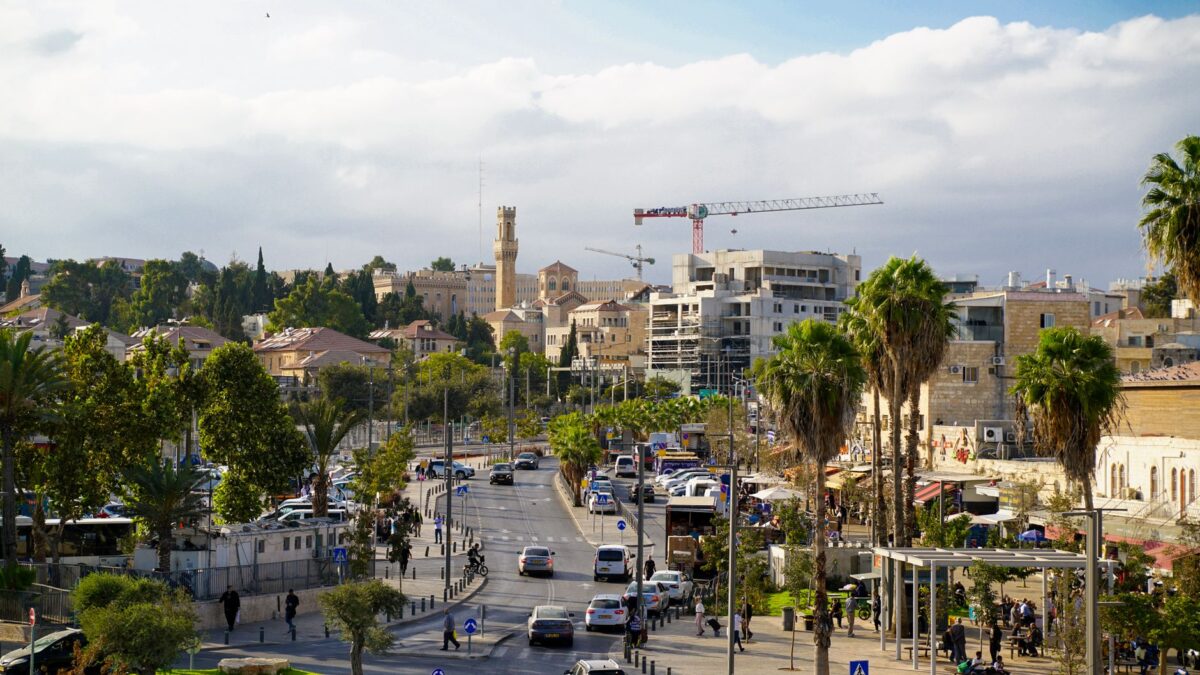
The last gasp of summer in Jerusalem is a beautiful, frantic thing. Families are squeezing in one final trip to the Gazelle Valley Park, the air smells of sunscreen and fresh pomegranates from the Shuk, and the new Green Line light rail — which opened just last Friday, adding 13 stations from Malha to the city center — is already the talk of every bus stop and cafe. But if you’re reading this because you’re about to make the leap and move here, you’re likely less concerned with the city’s August festival calendar (though the Jerusalem Festival at the Yabous Cultural Centre is a must, running until mid-October) and more with the mundane, essential, soul-trying logistics of your first week. Let’s get you sorted.
Step One: Entry and Your New Identity (Teudat Zehut)
First, let’s talk about getting in. Since January 2025, if you’re a visa-exempt visitor, you need an ETA-IL approved online at israel-entry.piba.gov.il before you fly. It costs about ₪25 (roughly $7) and is valid for up to two years, letting you stay 90 days per visit. Good for a long visit, but if you’re planning a longer stay — and especially if you’re Jewish and considering aliyah — you’ll want to move toward resident status.
Once you’re here, the golden key is the teudat zehut, the national ID card, issued by the Population and Immigration Authority (Misrad HaPnim, the Ministry of Interior). You’ll need your passport, proof of address, and a signed rental contract or hotel confirmation for the first few weeks. The card itself is now biometric and takes a couple of weeks to arrive, but you’ll get a temporary document in the meantime. With that in hand, you can open a bank account, get a SIM card, and sign up for health insurance — the big three of your first week. If you’re Jewish and making aliyah, Nefesh B’Nefesh is a lifeline here, helping you navigate exactly this process with English-speaking staff.
Banking: The Olim Desks Are Your Friend
Banking in Israel has a reputation for bureaucracy, but the “olim desks” (immigrant desks) at the major banks exist precisely to make your life easier. Bank Leumi, Bank Hapoalim, and Mizrahi-Tefahot all run dedicated English-speaking desks. Bring your passport, teudat zehut (or the temporary slip), and proof of address. You’ll walk out with a debit card (kartis ashrai) and a bank account — nothing fancy, but it works. If you want a smoother, digital-only experience, consider Pepper (Leumi’s digital arm) or One Zero. They’re excellent and app-based, perfect if you’re not planning to visit a branch often. Israel Discount Bank and First International (FIBI) are also solid, but the olim desks at the big three are worth their weight in gold for the first months. A word on money: the new Israeli shekel (ILS) is trading around 3.7 per US dollar, and while credit cards are accepted everywhere, you’ll need cash for the shuk, small cafes, and the guy selling sabras on the corner.
SIM Cards and Staying Connected
You can buy a prepaid SIM at Ben Gurion Airport the moment you land — the main networks are Pelephone, Partner (Orange), Cellcom, and Hot Mobile. If you’re on a budget, Golan Telecom and Rami Levy are the MVNOs everyone raves about, with solid coverage and cheaper data plans. For the truly lazy, travel eSIMs like Airalo or Holafly work the moment you switch them on, no physical card needed. I’d suggest picking up a local SIM anyway, because your phone number is your identity here — you attach it to your bank account, your health fund, and the delivery app. It’s like a second teudat zehut. Prices are reasonable, and a monthly plan with 20–30GB of data will run you about ₪50–100 ($14-27), depending on the carrier. Just make sure your phone is unlocked before you arrive.
Getting Around: The Rav-Kav and the New Green Line
Jerusalem is hilly and walkable in the center, but you’ll want a transit card. The national smartcard is the Rav-Kav, which works on Egged buses and the Jerusalem Light Rail. As of the 2025 reform, a single bus ride is about ₪6, while the light rail is ₪8, and a monthly pass (up to 40 km) is around ₪323 (about $85) — which is worth it if you plan to explore beyond the Old City. The big news this month: the Green Line (L3) opened on August 21, adding 13 stations from Malha to the city center, and for the first time ever you can transfer between the Red and Green lines. That makes a huge difference for reaching the Israel Museum or the Tisch Family Zoological Gardens. Download the Moovit app for real-time routing and digital tickets. And remember: from Friday sundown to Saturday night, most buses and the light rail stop for Shabbat, so plan your weekend accordingly — especially if you’re staying in West Jerusalem. Taxis are a fallback; a base fare is about ₪13, but consider Gett or an app for convenience.
Health Insurance and Your Kupat Cholim
Once you have your teudat zehut, you must register with Bituach Leumi (National Insurance Institute) and then pick a health fund — the kupot cholim. The four are Clalit, Maccabi, Meuhedet, and Leumit. Each has a network of clinics and doctors, and you can change once a year (or with a waiting period). For most new residents, Clalit and Maccabi are the most popular, with good English-speaking services in Jerusalem. Bring your ID and proof of address to any branch, and you’ll be enrolled within days. You’ll pay a monthly health tax (deducted from your salary or billed if self-employed), and in exchange you get comprehensive coverage, including appointments, prescriptions, and hospital care. It’s a system that works well, and the quality of care is excellent — you’ll be grateful for it during the winter flu season.
Making It Home: Neighborhoods and the Last Gasp of Summer
With your paperwork done, the fun begins: choosing your neighborhood. If you’re a food lover, you belong in Mahane Yehuda — the Shuk is a 250-vendor market by day and a bar-and-restaurant strip by night. The Friday morning rush is a must, and the painted metal shutters are an art gallery. For a quieter, more European vibe, the German Colony along Emek Refaim Street is the city’s English-speaking heart, full of cafes and 19th-century German Templar stone buildings, right on the Red Line. Ein Karem is a village-like cul-de-sac with artist studios and springs, perfect if you need weekend calm. Musrara, on the seam line of the Old City, is bohemian and activist — great for artists. And if you’re on a budget, the neighborhoods south of the center offer more space for less money; a modest one-bedroom outside the center runs about ₪4,500–6,000 ($1,200–1,600) per month. Rent is climbing, but you can find a deal. Meal costs: a business lunch is about ₪70, a decent cappuccino ₪15, and a loaf of fresh bread ₪9.30. You’ll live well.
The festival season is still on, so go catch the “Nerds Circus Show” at the Train Theater on August 28, or the Shlaka Band’s Balkan music at Armon Hanatziv. And when the Selichot season begins, don’t skip the interactive walking tour from the YMCA to the Lev Smadar Cinema — it’s a quirky Jerusalem experience you won’t find in any guidebook. Just be mindful of security updates from the Home Front Command; daily life goes on, but it’s always smart to stay informed. Welcome to your new home — the city is already getting ready for the High Holidays. You’ve got this.
Frequently asked questions
Do I need a visa to move to Israel?
For a short stay (up to 90 days), you need an ETA-IL online before flying (about ₪25). For longer stays, you’ll apply for a resident visa (A/1, A/5, etc.) via the Population and Immigration Authority, then get your teudat zehut (national ID) once you’re here.
Which bank is best for new immigrants (olim) in Israel?
Bank Leumi, Bank Hapoalim, and Mizrahi-Tefahot have dedicated English-speaking olim desks. They’re the easiest to start with. Digital-only options like Pepper or One Zero are also popular if you prefer an app-only experience.
Can I get a SIM card at Ben Gurion Airport?
Yes, you can buy a prepaid SIM right at the airport from major carriers like Pelephone, Partner, Cellcom, or Hot Mobile. Budget MVNOs like Golan Telecom or Rami Levy offer cheaper plans with good coverage, though you may need to visit a store in the city.
What is the Rav-Kav card and how do I use it in Jerusalem?
The Rav-Kav is the national smartcard for public transit, used on buses and the light rail. You can load money or a monthly pass (about ₪323 for 40km). With the new Green Line, you can transfer between lines—use the Moovit app for planning.
How do I register for health insurance in Israel?
After receiving your teudat zehut, enroll with Bituach Leumi (National Insurance) and choose a health fund (kupat cholim): Clalit, Maccabi, Meuhedet, or Leumit. Bring your ID and proof of address to a branch, and you’ll get coverage within days.
Things to do in Israel
 Best seller! Jerusalem old city four quarters tour
 Likely to sell out
Private Tour Jerusalem Old City
Likely to sell out
Private Tour Jerusalem Old City
 JERUSALEM private tour with ELAD VAZANA - Life in Israel & Palestine Then & Now
 Walking Tour of Akko (Half-day)
 In the Footsteps of Jesus: Nazareth and the Sea of Galilee
 Rappelling Down the Ramon Crater Cliff