

Getting around Buenos Aires: metros, taxis and passes
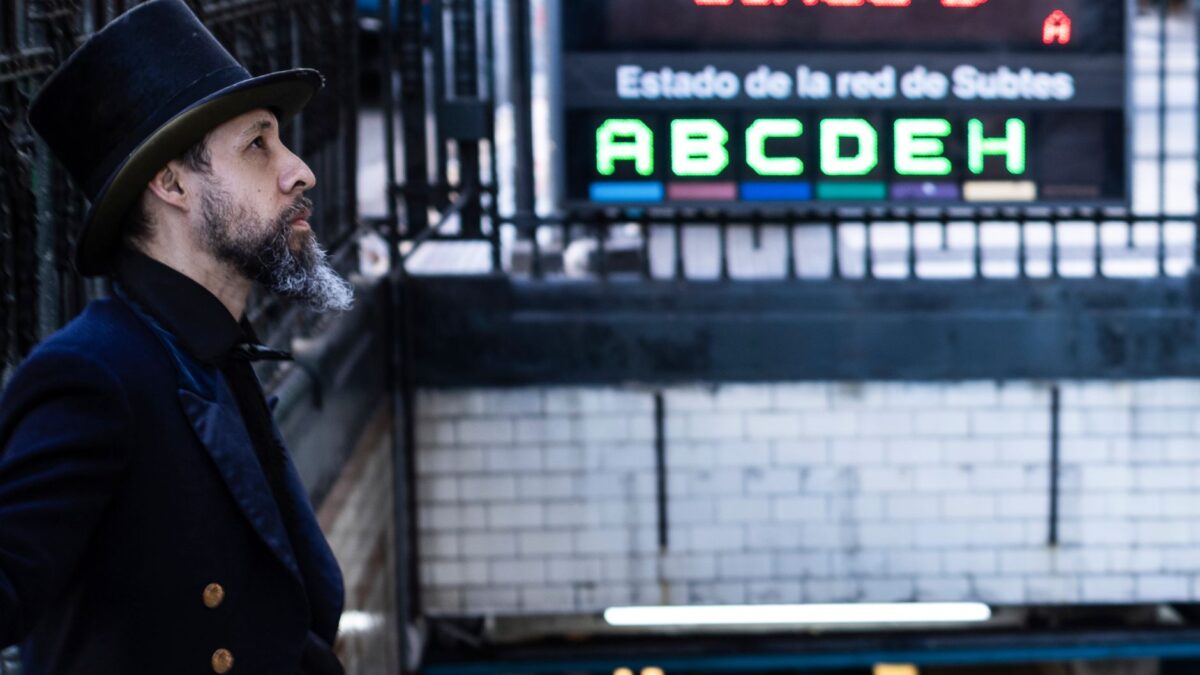
There is a specific rhythm to Buenos Aires that you only catch when you stop looking at the map and start moving with the city. It’s in the steam rising from a manhole cover on Avenida 9 de Julio, the distant echo of a tango band spilling out of a San Telmo doorway, or the sudden rush of cool air as you descend into the tiled belly of the Subte. Getting around this sprawling metropolis isn’t just about logistics; it’s about understanding the pulse of a city that refuses to be hurried, yet moves with surprising efficiency if you know where to look.
The Subte: History Underground
The heart of local transit is the Subte, Buenos Aires’ metro system. With six lines—A, B, C, D, E, and H—it connects the densest parts of the city, from the historic center to the trendy neighborhoods of Palermo. As a local, I rely on it daily, especially during those early spring afternoons when the weather swings between sunshine and sudden thunderstorms. The lines are color-coded, which helps, but the real trick is knowing the current status of stations, as renovations happen frequently.
For instance, if you are navigating through Almagro, you should know that Medrano station on Line B has been closed since late August for a full renovation, meaning trains will pass right through without stopping until late November. Similarly, Line E’s Entre Ríos station is undergoing integral restoration to protect its heritage murals and remains closed until roughly mid-November. Always check the official transit app before you head out; these closures can shift your route significantly.
Fares are surprisingly affordable, even with the current inflation rates. A single trip on the Subte using a registered SUBE card costs around 1,030 to 1,070 ARS (approximately US$1.10), depending on how many trips you take per month. The SUBE card is non-negotiable—it is the single contactless pass for both the metro and the colectivos (buses). You can buy the physical card at any subway station or kiosk, or use the NFC mobile app if your phone supports it. Just remember: you cannot pay with cash or credit cards directly on the turnstiles. Top up at the station machines or via the app, and always tap in and out.
Buses and the Urban Grid
If the Subte is the spine, the bus network—the colectivo—is the bloodstream. There are hundreds of lines crisscrossing every neighborhood, from the upscale boutiques of Recoleta to the cobblestone streets of San Telmo. Bus fares are slightly cheaper than the metro, starting around 506–530 ARS (about $0.55) for the minimum fare. However, buses are subject to traffic, which can be relentless during rush hour (roughly 7:30–9:30 AM and 6:00–8:00 PM).
Locals often combine modes: taking a bus to a Subte line to bypass gridlock. If you’re heading to the Reserva Ecológica Costanera Sur in Puerto Madero, for example, you might take a bus along the riverfront and then walk the final stretch to see capybaras and birds of prey against the backdrop of the financial district. The key is patience. Buses here don’t run on rigid Western schedules; they run on “porteño time,” which means they arrive when they can. But once you get used to the flow, it’s an intimate way to see the city’s architectural diversity, from the French elegance of the north to the industrial chic of the docks.
Taxis, Ride-Hailing, and the Night Out
When the night falls and the weather turns chilly, or when you’re carrying heavy shopping bags from a market tour, taxis and ride-hailing apps become essential. Safety is paramount after dark. Stick to radio taxis or reputable apps like Uber and Cabify. Avoid hailing random cars on the street, especially in areas like Villa 31, Constitución, or the southern zones, which can feel unsafe late at night. Petty theft and pickpocketing are real risks, particularly on Line B of the Subte and in crowded markets like the Sunday Feria de San Telmo, so keep your belongings close.
Ride-hailing is convenient and generally safe, though prices surge during peak hours or major events. Speaking of events, with FIBA (the International Festival of Buenos Aires) filling theaters from September 9 to 20, expect higher demand for transport near venues in Microcentro and Palermo. A short ride across town might cost you around 3,000–5,000 ARS ($3–$5), while a longer trip to Tigre for a day trip could set you back more. Always check the estimated fare in the app before confirming.
Walking: The Best Way to Know Buenos Aires
Ultimately, the best way to experience Buenos Aires is on foot. The city was designed with wide avenues and deep, walkable neighborhoods. In the warmer months, you’ll see everyone strolling, but even in early spring, with temperatures hovering around 10–22°C, walking is rewarding. Start at Plaza de Mayo, the civic heart ringed by the Casa Rosada and the Catedral Metropolitana, and walk west along Calle Florida to reach El Ateneo Grand Splendid, a stunning 1919 theater turned bookstore. The stage is now a café, perfect for a café con leche (around 4,000 ARS / $4) while surrounded by bookshelves.
From there, you can meander toward Recoleta Cemetery, a free-to-enter city of ornate mausoleums where Evita Perón rests. It’s a hauntingly beautiful place to spend an afternoon. Then, cross into San Telmo for dinner. Dinner here starts late—rarely before 9 p.m.—so embrace the habit. Grab a table at a traditional parrilla like Don Julio or La Cabrera for a bife de chorizo (steak), which might cost between 24,000 and 50,000 ARS ($40+). Or, for something more casual, try empanadas from a street vendor—a dozen costs around 22,000 ARS ($24)—and wash them down with a local beer (about 3,500 ARS / $4).
Walking also allows you to discover hidden gems like the Palacio Barolo, inspired by Dante’s Inferno, or the vibrant street art of Palermo Soho. You’ll notice jacaranda trees beginning to bud, signaling the arrival of spring. And if you need a break, find a plaza terrace. Order a mate or a fernet con coca, watch the world go by, and let the city reveal itself to you at its own pace.
Frequently asked questions
Do I need a SUBE card for the Buenos Aires metro?
Yes, the SUBE card (physical or NFC app) is mandatory for all Subte and bus rides. You cannot pay with cash or credit cards at turnstiles.
Are there any Subte station closures in late 2026?
Yes, Medrano (Line B) is closed for renovation until late November, and Entre Ríos (Line E) is closed until mid-November for mural restoration.
How much does a Subte ticket cost in Argentine Pesos?
A single fare is approximately 1,030–1,070 ARS (around US$1.10) with a registered SUBE card, varying slightly by monthly trip volume.
Is it safe to walk in San Telmo at night?
San Telmo is generally safe during the day and evening, but avoid isolated streets late at night. Use radio taxis or apps for return trips after midnight.


