

A first-timer’s guide to Uruguay
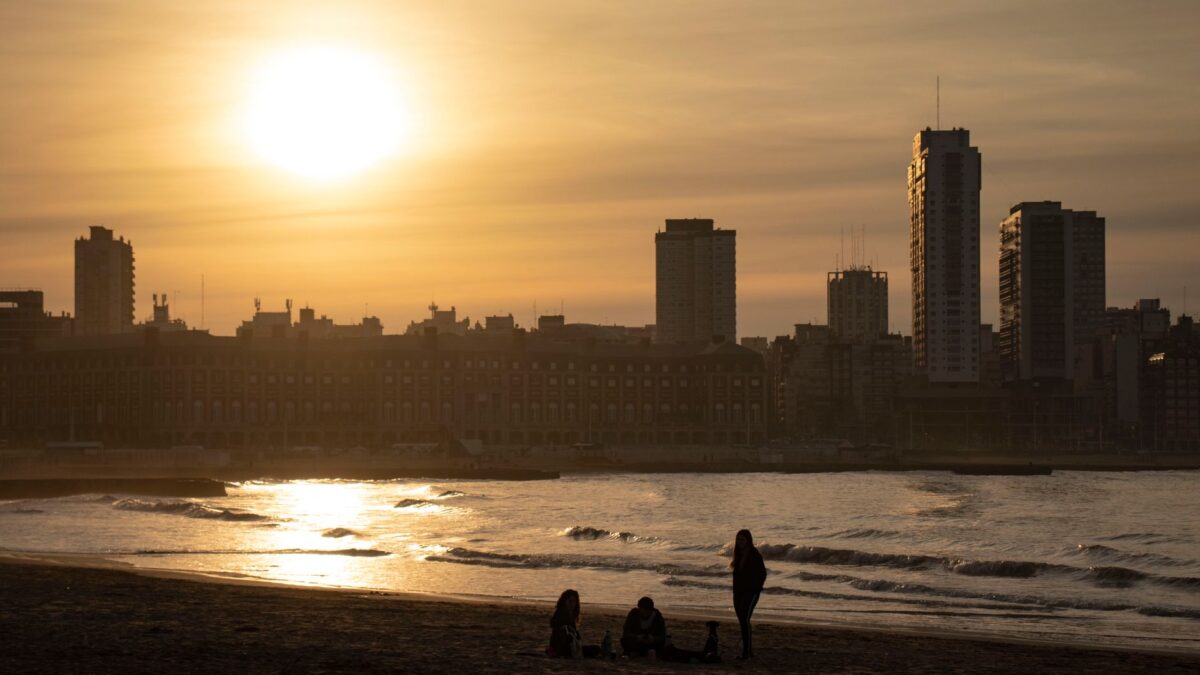
The wind off the Río de la Plata doesn’t just blow; it has a personality. Standing on the Rambla in Montevideo, watching the brown water stretch invisibly toward Buenos Aires, you realize that Uruguay is not a place of dramatic mountains or jagged coastlines. It is a place of wide horizons, slow rhythms, and a stubborn independence that defines its soul. As a first-timer, you might expect the chaos of its larger neighbors, but instead, you will find a country that feels like a deep breath held and finally released. Here is how to navigate this ‘Switzerland of South America’ without losing your way—or your wallet.
When to Visit: The Blustery Shoulder Season
Uruguay’s tourism calendar is dictated by the Southern Hemisphere summer, which runs from December to February. This is when the beaches of Punta del Este fill up and the price of everything spikes. However, if you visit now—early autumn or late winter—you catch the country at its most honest. Right now, as we tip out of winter into spring, the weather is crisp, hovering around 10–12°C with partly cloudy skies. The days are lengthening, offering that first warm-sun feeling on the Rambla that locals have been waiting for all year.
If you are planning ahead, mark September in your calendar. It is a month of intense cultural activity. You might time your trip to coincide with Turismo 360, where the city opens its heritage sites with free guided walks and live music, or the run-up to the 121st Expo Prado. This giant agricultural show, opening mid-September, transforms the Rural del Prado area with over 2,000 animals and hundreds of exhibitors. It is a visceral look at the cattle and sheep farming that anchors the national economy. For something more artistic, the Llamale H LGBTQ+ film festival offers screenings across 20 venues throughout the month, celebrating the capital’s vibrant creative scene. Avoiding the peak summer crowds means better service, lower prices, and a chance to speak with locals who aren’t rushing to the beach.
Getting Around: The Bus Kingdom
Montevideo has no subway system. If you arrive expecting a metro, you will be disappointed. Instead, the city runs on buses. It is efficient, extensive, and entirely cashless if you prepare correctly. Your first practical move upon arrival should be acquiring an STM card (Sistema de Transporte Metropolitano). You can buy and recharge these at Abitab or Redpagos kiosks, which are ubiquitous on nearly every corner.
A single urban bus fare costs roughly 54–60 UYU using the card rate. For heavy users, a monthly pass sits around 1,430 UYU, though many residents spend closer to 2,000–3,500 UYU a month depending on their commute. While walking is pleasant along the flat coastal strips, distances between neighborhoods like Pocitos and Ciudad Vieja can feel deceptive. Taxis are available, with a flag fall starting around 60–70 UYU, but for night travel, official apps like Uber, Cabify, or DiDi are safer and often cheaper than hailing street cabs. Long-distance travel between cities is handled by terminals like Tres Cruces, with operators like CUTCSA and COPSA connecting you to the rest of the country.
Money Matters: Inflation and the Chivito
Uruguay is one of the most expensive countries in South America. The Uruguayan peso (UYU) has faced inflationary pressures, with rates hovering around 4.7% recently, pushing up the cost of living. With the exchange rate roughly at 40 UYU to 1 US dollar, you need to budget with care. A modest meal at a local parrilla—a ‘menú del día’ set lunch—will run you about 350–500 UYU (approx. $11). If you want a proper sit-down dinner at a mid-range restaurant, expect to pay 1,000–1,500 UYU (approx. $30) per person.
Do not skip the national sandwich, the chivito. At a neighborhood bar, a hearty version loaded with ham, cheese, egg, and beef costs between 400–600 UYU (approx. $12). Coffee culture is strong here; a cappuccino at places like Ritual Café or Flor de Kaffee will cost you 80–165 UYU (approx. $3). Even small things add up: a loaf of bread is around 90–110 UYU, and a bottle of local beer in a bar is roughly 90–150 UYU. Accommodation reflects this high standard too; a mid-range hotel or guesthouse double room averages 2,500–5,000 UYU (approx. $95) per night. While rents for long-term stays are slightly more moderate—around 22,000–25,000 UYU monthly for a modest flat—the daily cost of being a tourist is significant. Carry cards, but always keep some pesos for bakeries and smaller vendors.
Where to Stay: Neighborhoods Defined
Your choice of district sets the tone for your stay. If you want safety and seaside views, choose Pocitos. This upscale barrio features Playa Pocitos beach and is lined with restaurants and ice cream shops like Rodo. It is the default base for families and newcomers. For elegance and history, look at Punta Carretas. Centered around the Punta Carretas Shopping—a converted 1910 prison—and the historic lighthouse, it offers golden-hour views over the river.
If you prefer bohemian energy, head to Cordón. Located along Avenida 18 de Julio, this area leans student-y with bars and live-music venues. It is the practical middle ground between the old town and the beach. For the ultimate luxury experience, Carrasco is Montevideo’s most exclusive district, featuring mansions, tree-lined streets, and the restored Sofitel Hotel Casino. Conversely, stay in Ciudad Vieja (Old Town) only if you are comfortable with nightlife. It is culturally rich, home to the Mercado del Puerto and Plaza Independencia, but back streets can be quiet and best avoided after dark. Parque Rodó offers a laid-back alternative with its park, lake, and the free Museo Nacional de Artes Visuales.
First-Timer Essentials: Safety, SIMs, and Soul
Visa-free entry is generous for citizens of the US, EU, UK, Canada, and many others, allowing 90 days without an arrival fee. Just ensure your passport is valid for your stay and carry proof of onward travel. Overstaying carries fines, so respect the counter.
For connectivity, buy a prepaid SIM from Antel, the state carrier. It offers the best coverage and value, costing around 245 UYU for the SIM plus data. Registration requires your passport and a local address. Recharge via the ubiquitous kiosks mentioned earlier.
Safety in Montevideo is generally good by regional standards, but petty theft is rising. Keep to main streets in Ciudad Vieja at night and avoid peripheral areas like Casavalle or Cerro. Be discreet with phones near ATMs. Use ride-hailing apps after dark rather than walking alone in empty zones.
Finally, absorb the culture. Uruguay bills itself as stable, yet the legacy of the 1973–85 dictatorship is palpable at the Museo de la Memoria. The arts thrive here, particularly candombe, the Afro-Uruguayan drumming heritage centered in Barrio Sur. Even if you miss the February Desfile de Llamadas, you can hear the rhythm in the streets. And do not forget the football pilgrimages; a visit to Estadio Centenario, where the first World Cup was played in 1930, is essential to understanding the national identity. From the noisy monk parakeets in the palm trees to the sea lions at Isla de Lobos, Uruguay rewards those who take the time to look closely. Pack layers, charge your STM card, and let the rambla guide you.
Frequently asked questions
Is Montevideo safe for tourists?
Montevideo is generally safe by South American standards, but petty theft is increasing. Stick to main streets in Ciudad Vieja after dark, avoid peripheral neighborhoods like Casavalle, and use ride-hailing apps like Uber at night.
How much does food cost in Montevideo?
Meals vary significantly. A local 'menú del día' lunch costs around 350–500 UYU ($11), while a mid-range dinner is 1,000–1,500 UYU ($30). A national chivito sandwich is typically 400–600 UYU ($12).
Do I need a visa to enter Uruguay?
Citizens of the US, EU, UK, Canada, and many other countries can enter visa-free for up to 90 days as tourists. You must carry a return ticket and a passport valid for your stay.
How do I get around Montevideo without a car?
Use the STM bus card, purchasable at Abitab or Redpagos kiosks. A single ride is about 54–60 UYU. Taxis and ride-hailing apps are also widely used, especially at night.
What is the best time of year to visit?
Summer (Dec-Feb) is busy and expensive. Early autumn or late winter (like September) offers milder weather, cultural events like Expo Prado, and fewer crowds.
Things to do in Uruguay
 Tailor-made Montevideo: Private City Tour with a Local
 Same cruise sharing tour in Montevideo with TANGO TOUR
 Discover why we Love the Colonia Wine Experience
 Discover Colonia del Sacramento–Private City Tour UNESCO
 Private Transfer Montevideo Airport to Hotel O Hotel - Aero
 Traditional and award-winning winery tour in Montevideo