

Israel etiquette: the dos and don’ts
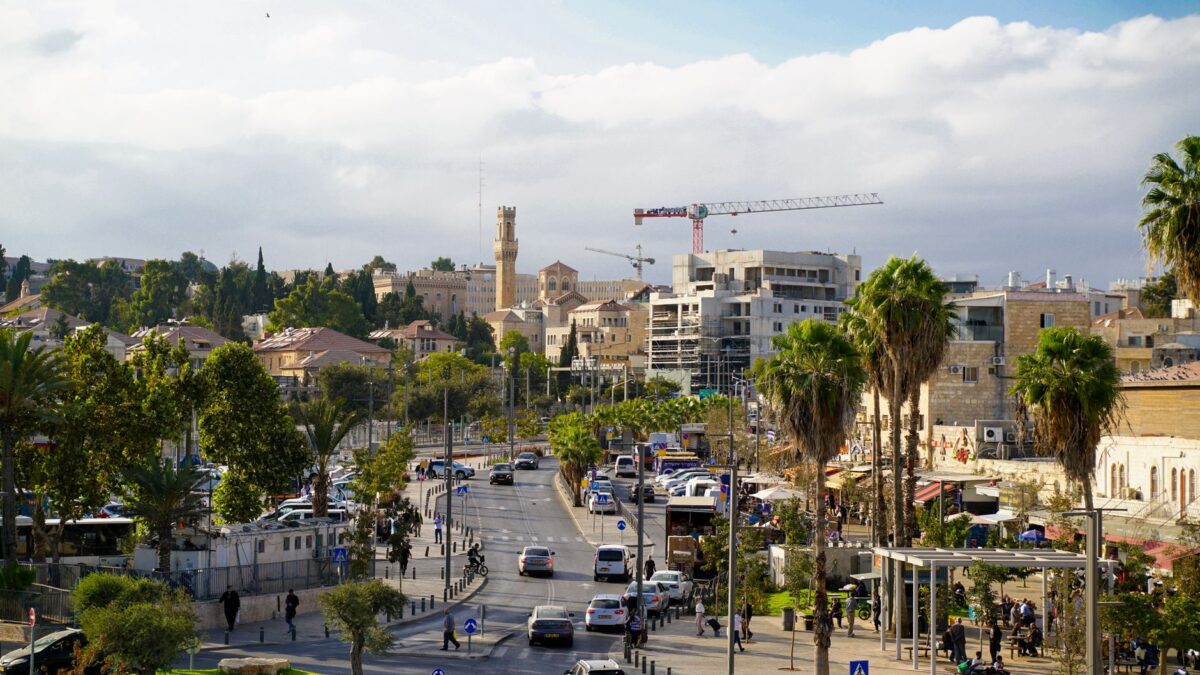
The air in Jerusalem early September holds a specific kind of weight: dry heat, the scent of dust settling on ancient stone, and the faint, sweet promise of figs ripening in the courtyards. You are standing on Emek Refaim Street, or perhaps navigating the maze-like lanes of Nachlaot, and you realize that knowing how to order a sabich is only half the battle. To truly connect with this city—where the modern hum of high-tech startups meets the solemn echo of prayers at the Western Wall—you need to understand the unspoken rhythm of daily life. This isn’t just about being polite; it’s about showing respect for a place where history is lived, not just displayed.
Greetings and the Art of Conversation
In Israel, personal space is a fluid concept, and warmth is the default setting. When you meet someone, expect a handshake that lasts a moment longer than you might be used to, often accompanied by direct eye contact. Among friends or in casual settings, cheek kissing (usually two kisses) is common, even between acquaintances. Do not pull away; it is a sign of genuine welcome.
Language plays a huge role here. While Hebrew is the primary language, English is widely spoken, especially in tourist areas like the German Colony or around the Mahane Yehuda Market. However, learning a few basic phrases goes a long way. A simple Toda raba (thank you very much) or Slicha (excuse me/sorry) signals that you are trying to engage with the culture, not just consume it. Israelis are famously direct. If someone tells you something bluntly, they likely do not mean offense; they value honesty and efficiency over softening blows. Take it as a compliment—they trust you enough to be real.
Dining Like a Local
You cannot visit Jerusalem without eating your way through its culinary landscape. The street food scene is legendary, but dining etiquette has its own nuances. When sitting at a café in Rehavia or grabbing a falafel wrap near Jaffa Road, tipping is expected and customary. Unlike some European countries where service is included, Israeli servers rely on tips. Aim for about 10–15% of the bill. If you’re paying cash, leaving a few extra shekels on the table is standard practice. For a quick bite, a plate of hummus with pita and falafel might cost around ₪35–70, so rounding up or leaving small change is appreciated.
Sharing is central to the Israeli dining experience. Dishes are placed in the center of the table, and it is polite to wait until everyone is served before starting. If you are invited to a home, bringing a small gift—like wine, chocolates, or flowers—is thoughtful, though not strictly mandatory. Be aware that many restaurants, especially those serving traditional kosher food, may not serve pork or shellfish. If you have dietary restrictions, communicate them clearly when booking, particularly if you plan to dine at places like Machneyuda or Fayruz restaurant, which cater to both locals and tourists.
Dress Code and Shabbat Sensitivity
Dress codes in Jerusalem vary dramatically depending on the neighborhood and the day of the week. In the bustling, secular hubs like the German Colony or Talpiot, you will see everything from trendy boutiques to casual summer wear. Early September weather averages around 20–29°C, so light, breathable fabrics are your best friend. However, modesty is key in religious areas. When visiting the Old City, the Western Wall, or neighborhoods like Mea Shearim, cover your shoulders and knees. Carrying a light scarf or shawl in your bag is a practical hack for sudden transitions.
The most critical time to adjust your behavior is Shabbat, which begins at sunset on Friday and ends after sundown on Saturday. During this period, public transportation stops completely. The Jerusalem Light Rail Red Line halts, and Egged buses cease operations. Streets that were busy during the week become quiet sanctuaries. Many shops close, and some restaurants stop serving food after Friday afternoon prayers. If you are staying in a hotel like the St George’s Pilgrim Guest House or Hotel Nucha – Fattal Colors, inform reception if you need assistance during Shabbat, as staff availability may be limited. Respect these closures; it is not an inconvenience but a sacred observance for millions of Jews.
Navigating the City and Daily Logistics
Jerusalem is a city of layers, both physically and culturally. Getting around requires a bit of strategy. The Jerusalem Light Rail is efficient for major arteries, but remember that service stops on Friday afternoon. For other times, the Rav-Kav smart card is your best friend. You can buy an anonymous card at the Central Bus Station or use the ‘Rav-Pass’ app on your phone. Tickets offer about 90 minutes of free transfers between buses and the light rail, making it easy to hop between the Israel Museum and the Tower of David without worrying about multiple fares.
Be mindful of ongoing infrastructure changes. As of late 2026, works on the Blue Line light-rail project have disrupted traffic in areas like Emek Refaim, turning streets into one-way detours and closing parts of King George Street. Expect delays and walkable alternatives. Safety-wise, Jerusalem is generally safe for visitors, but exercise caution in the Old City after dark and stay aware of your surroundings near prayer sites, especially on Friday afternoons when crowds gather. Also, note that Israel no longer stamps passports upon entry, issuing a blue slip instead—a small detail that eases travel to countries with restricted entry policies for Israeli stamps.
Small Customs That Matter
There are subtle customs that define the Israeli social fabric. Queuing can be… flexible. In formal lines, such as at banks like Bank Leumi or post offices, people might push forward aggressively. It is not necessarily rude; it is just the local pace. However, in coffee shops like Coffee Nadi or Birma Coffee, order at the counter, take your number, and wait for it to be called. Do not assume your spot is held if you wander off.
Water is complimentary in restaurants. If you ask for tap water (mayim bar), it will arrive without fuss. Bottled water costs extra. When bargaining in markets like Mahane Yehuda, smile and keep it light. Vendors appreciate the interaction, but aggressive haggling over small amounts is frowned upon. For a shawarma in pita, prices range roughly from ₪25–45, so stick to fair market rates.
Finally, embrace the chaos. Jerusalem is loud, vibrant, and sometimes overwhelming. From the artistic buzz of the Bezalel Arts & Crafts Fair to the serene gardens of Ein Kerem, every corner offers a new perspective. By observing these etiquettes—from tipping fairly to respecting Shabbat silence—you move from being a spectator to a participant. You begin to hear the city’s heartbeat, not just its noise. So, go ahead, grab that sabich, strike up a conversation with the person next to you at the bus stop, and let Jerusalem reveal itself to you, one respectful gesture at a time.
Frequently asked questions
How much should I tip in restaurants in Jerusalem?
Tipping 10-15% is standard and expected in Israeli restaurants. If paying cash, leaving a few extra shekels on the table is also common practice.
Does public transport run on Shabbat in Jerusalem?
No. Public transportation, including the Jerusalem Light Rail and Egged buses, stops completely from Friday afternoon until Saturday night after sundown.
What should I wear when visiting religious sites in Jerusalem?
Modest dress is required. Cover your shoulders and knees, especially at the Western Wall and in the Old City. Carrying a scarf is recommended.
Do I need to carry cash for small purchases?
While cards are widely accepted, having small denominations of New Israeli Shekels (ILS) is useful for street food, markets, and tipping.
Is it safe to walk around Jerusalem at night?
Jerusalem is generally safe, but exercise increased caution in the Old City after dark and remain aware of your surroundings near prayer sites.
Things to do in Israel
 Best seller! Jerusalem old city four quarters tour
 Likely to sell out
Private Tour Jerusalem Old City
Likely to sell out
Private Tour Jerusalem Old City
 JERUSALEM private tour with ELAD VAZANA - Life in Israel & Palestine Then & Now
 Walking Tour of Akko (Half-day)
 In the Footsteps of Jesus: Nazareth and the Sea of Galilee
 Rappelling Down the Ramon Crater Cliff