

Austria in September 2026: what travelers should know now
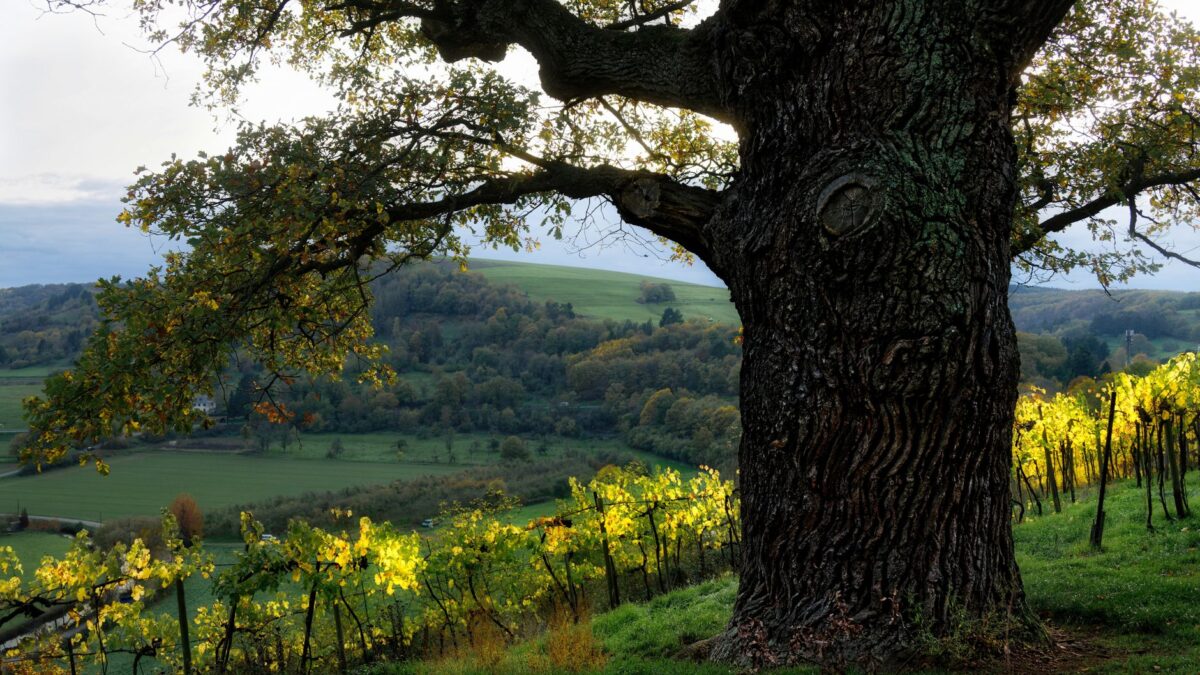
The air in Vienna has shifted. If you’ve been here since August, you’ll notice it first in the evenings: the heavy, humid warmth that clung to the Ringstrasse is giving way to a crisp, golden clarity. Mid-September is the pivot point for this city. The vineyards on the northern edge are thick with grapes ready for the Sturm (young wine) harvest, and the Heuriger taverns are buzzing with locals celebrating the end of summer. It’s a beautiful time to visit—fewer tourists than July, but still plenty of life on the streets.
However, if you’re arriving now, there are specific logistical realities you need to know. Public transport has undergone significant fare hikes earlier this year, major infrastructure works are reshaping your commute options, and the weather is unpredictable. Here is what you need to navigate Vienna in September 2026.
Weather and Packing: The Autumn Pivot
As of today, September 14, 2026, Vienna is experiencing a mild but damp start to the month. Current forecasts show temperatures hovering between 17°C and 19°C, with light rain persisting over several hours. This is typical for early autumn in the Danube basin: days can feel pleasantly warm, almost like late summer, but evenings drop noticeably cooler, and rain is frequent.
You should pack layers. A waterproof jacket or a sturdy umbrella is essential, not just for comfort but because the cobblestones in districts like Innere Stadt become slippery when wet. While daytime highs might allow for t-shirts or light trousers, you will want a sweater or a light wool coat for the evenings. If you plan to hike in the Wienerwald or climb Kahlenberg for sunset views, sturdy footwear is non-negotiable. The ground is soft from recent rains, and trails can be muddy.
The good news is that this weather drives the local culture indoors and into the wine cellars. The Heuriger season is at its peak right now. You’ll find locals gathering in the 19th District (Döbling/Grinzing) and surrounding areas to drink new wine and eat seasonal food. It’s the perfect excuse to embrace the chill while enjoying one of Vienna’s greatest traditions.
Transport Disruptions and Fare Changes
This is the most critical section for any traveler arriving in September 2026. Vienna’s public transport system, operated by Wiener Linien and ÖBB, is undergoing major changes that directly impact how you move around the city.
Fare Increases: First, be aware that prices have risen significantly compared to previous years. The single paper ticket for bus, metro, or tram is now €3.20 (down to €3.00 if bought digitally via the WienMobil app). The annual resident pass (Jahreskarte) jumped to €467 for paper tickets in January 2026, ending the long-standing “€1 a day” scheme. For short stays, consider a 24-hour ticket for €10.20 or a 7-day ticket for €28.90. If you are staying longer, the monthly pass at €51 is still a bargain, but plan your budget accordingly.
S-Bahn Stammstrecke Closure: A major construction project is ongoing on the S-Bahn core line (Stammstrecke). Between Wien Hauptbahnhof/St. Marx and Wien Praterstern, the S-Bahn tracks are closed for approximately 14 months, with work continuing through October 2027. This means you cannot rely on the S-Bahn for direct travel between the South Station and the Prater area during this period. Commuters are being rerouted onto U-Bahn lines (U1, U2, U4, U6), which are running with increased frequency. Trams 62 and 18 have also been extended to cover some gaps.
U6 Line Adjustments: Starting today, September 14, 2026, U6 trains are skipping the Neue Donau station when traveling toward Floridsdorf. The station remains served in the direction of Siebenhirten. If you are heading north from the city center, you will need to get off at the next stop and double back. This disruption is expected to last until approximately the end of 2026.
Tram Line 49 Suspension: From September 21 to October 31, Tram 49 will be discontinued due to track renewal in the Huglgasse/Märzstraße area. Lines 46, 52, and 9 will cover the route. Check the WienMobil app for real-time alternatives if you are traveling in those districts.
Airport Access: Note that the City Airport Train (CAT) is currently running as a bus replacement service until approximately October 2027 due to infrastructure works. Use the S7 train instead, which costs about €5.50 and runs frequently to the city center.
Events and Cultural Happenings
Despite the construction noise, September is a vibrant month for culture in Vienna. Several key events are happening right now or starting soon:
- Vienna Independent Film Festival (VIFF): Taking place from September 14–16, 2026, VIFF is screening independent and international films at venues including GO!Wien Café, CineCenter, Hotel Motel One, and the Film Museum. It’s a great opportunity to see niche cinema away from the mainstream tourist traps.
- curated by — Citywide Gallery Festival: Running from September 11 to October 17, this festival celebrates art across the city. The 17th edition is themed around “love.” Highlights include interactive performances like ‘Cafe Love’ at Cafe Korb and exhibitions centered on the mumok. It’s a fantastic way to explore Vienna’s contemporary art scene beyond the Kunsthistorisches Museum.
- 48er Mistfest: On September 19–20, join Vienna’s waste service for the 48er Mistfest at Mistplatz Hernals. It’s a quirky, family-friendly festival featuring a children’s flea market, vehicle displays, live music (including Cosmó), and a ’48er-Tandler’ outlet. Entry is free, and it’s a unique glimpse into local civic pride.
- Saint Rupert’s Day (Rupertitag): Mark your calendar for September 24. This is a regional holiday celebrated in parts of Austria. While Vienna itself is secular in its daily rhythm, expect some local businesses or smaller shops in neighboring regions to be closed. It’s also a good excuse to head out to the countryside for traditional celebrations.
Crowds, Costs, and Practical Tips
Is it Peak Season? No. September is considered shoulder season. You will encounter fewer crowds at major attractions like Schönbrunn Palace and St. Stephen’s Cathedral compared to July or August. However, it is still busy enough that booking museum tickets in advance is advisable, especially for the Kunsthistorisches Museum (entry approx. €21) or the Belvedere (home to Klimt’s “The Kiss”).
Cost of Living: Vienna remains mid-priced among European capitals, but costs are rising. A modest one-bedroom flat rents for €1,000–1,300 per month, and hotel rooms for mid-range accommodations range from €90–180 per night. Dining out is reasonable: an inexpensive local meal (Mittagsmenü) at a Beisl lunch spot costs €9–14, while a main course like Wiener Schnitzel runs €14–22. A coffee Melange in a classic Kaffeehaus is about €4.50–5.00. Beer (0.5L) in a pub is €4.00–5.50. Remember, the Euro (EUR) is your currency; the exchange rate is roughly 0.924 EUR to 1 USD.
Safety: Vienna is consistently ranked as one of the world’s safest cities. Violent crime is rare. Your main concern should be pickpocketing in crowded tourist areas and at major stations like Praterstern, which can feel rough late at night. Stick to well-lit streets and keep your valuables secure. In case of emergency, dial 112 or 133 for police.
Visa and Entry: Austria is part of the Schengen Area. Visa-exempt travelers (US, UK, Canadian, etc.) can stay for 90 days within any 180-day period. Keep an eye on the EU’s ETIAS pre-travel authorization system, which was scheduled to phase in from late 2026; verify its current status before booking. If you are moving to Vienna for work or study, remember that you must register your residence (Meldezettel) within 3 days of moving in. This is done at any Meldeservice office and requires your passport, birth certificate, and a form signed by your landlord.
Enjoy the crisp air, the new wine, and the beautiful autumn light. Vienna is at its most charming right now—if you know how to navigate the transit quirks.
Frequently asked questions
How much does a single public transport ticket cost in Vienna in September 2026?
As of 2026, a single paper ticket for bus, metro, or tram costs €3.20. Digital tickets purchased via the WienMobil app are slightly cheaper at €3.00.
Are there major train disruptions I should know about in Vienna right now?
Yes. The S-Bahn Stammstrecke is closed between Wien Hauptbahnhof and Wien Praterstern until late 2027, forcing commuters onto U-Bahn lines. Additionally, U6 trains are skipping Neue Donau station toward Floridsdorf starting September 14, 2026.
What cultural events are happening in Vienna in mid-September 2026?
Key events include the Vienna Independent Film Festival (VIFF) from Sept 14–16, the curated by gallery festival (Sept 11–Oct 17), and the 48er Mistfest family festival on Sept 19–20.
Is September a good time to visit Vienna regarding crowds and weather?
Yes, it is a shoulder season with fewer tourists than summer. Weather is mild (17–19°C) but rainy, making it ideal for Heuriger wine visits and indoor museums.
Do I need a visa to enter Austria for tourism in 2026?
Visa-exempt travelers (US, UK, Canada, etc.) can stay up to 90 days in any 180-day period under Schengen rules. Check if the ETIAS pre-travel authorization is active before your trip.


