

A week in Manila on a mid-range budget
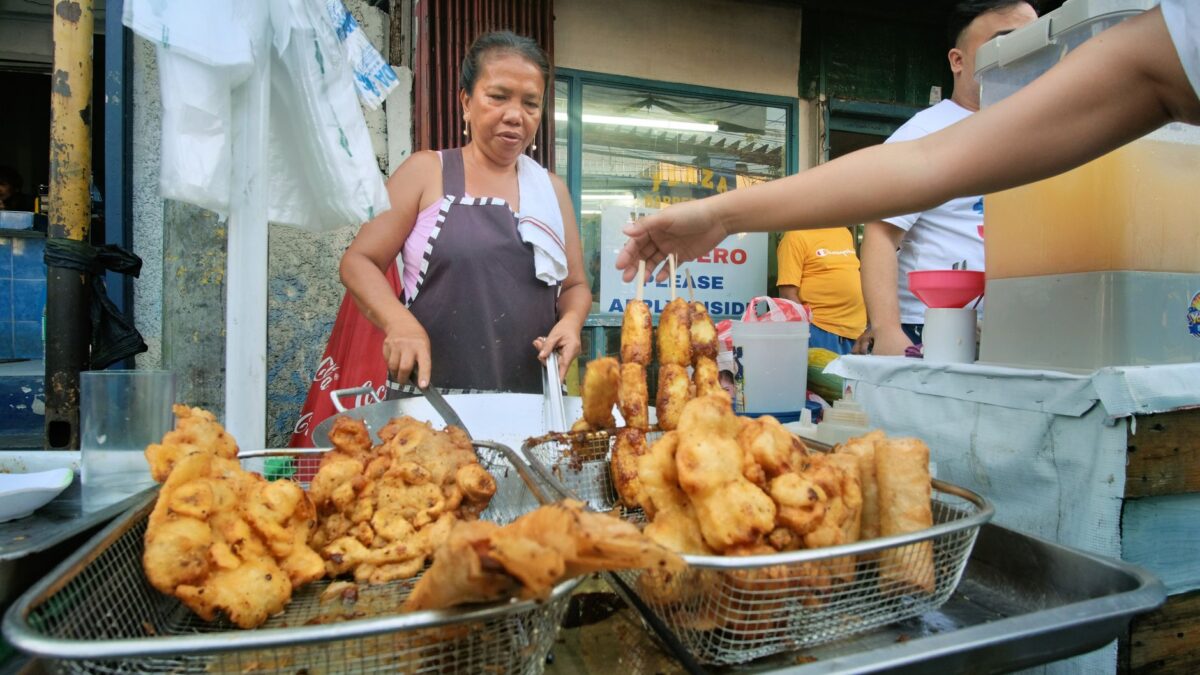
Manila does not whisper; it announces itself. You step out of the airport and the heat hits you like a warm, wet towel—26 to 31 degrees Celsius, but with humidity that makes it feel closer to 38°C. It is mid-September, deep in the rainy season, and the sky is already bruising purple with thunderstorms. But here is the secret the guidebooks often miss: this city is incredibly affordable if you know where to look, and deeply alive if you are willing to get a little damp. A week in Manila on a mid-range budget is not just possible; it is an education in resilience, flavor, and history.
The Foundation: Where to Stay and How to Move
Your biggest fixed cost will be your roof. For a mid-range experience, avoid the chaotic center and head to either Makati or Bonifacio Global City (BGC). These districts are grid-planned, cleaner, and feel safer at night. You can find a solid 3–4 star hotel for roughly ₱4,500 to ₱7,000 per night (about $100 USD). If you want more space, a one-bedroom flat in these areas runs around ₱33,000 a month, but for a short stay, hotels offer better security and amenities.
Getting around requires strategy. Manila traffic is legendary, so walking between districts is a bad idea. Use the Grab app for taxis and rideshares—it’s your lifeline. For shorter hops, jeepneys are the soul of transit. A single ride costs about ₱13–15 (roughly $0.20), though longer routes may run up to ₱25. If you use the LRT or MRT trains, fares range from ₱15–30. Buy a Beep card at any station machine; it’s a stored-value contactless card that saves time and hassle. Daily transit costs won’t break your bank, but plan for about ₱300–500 a day if you mix jeepneys and Grab.
Eating Like a Local: From Carinderias to Craft Cocktails
Food is the cheapest luxury in Manila. You do not need to spend much to eat well. Start your day at a carinderia—a local eatery where trays of viands (dishes) are displayed. A plate of rice and meat or fish costs between ₱80 and ₱150 (about $2.00). It is simple, salty, and satisfying. For coffee, skip the international chains and find a local roastery like Millibean Cafe + Roastery or Café Y Ruedas. A cappuccino runs about ₱130–160 ($2.50).
For lunch, try The Aristocrat Restaurant in Binondo. It is an institution. You can get a hearty meal for under ₱500. If you want to explore Binondo, the world’s oldest Chinatown, walk along Ongpin Street. Stop at Eng Bee Tin for hopia (bean pastries) and visit the Bahay Tsinoy museum. Dinner is where your budget expands. A mid-range restaurant meal costs ₱300–600 per person. In BGC, sit-down places might charge up to ₱900. For nightlife, head to Poblacion in Makati. Don Pedro Street is lined with speakeasies and bars. A local beer (0.5 L) costs around ₱80–95 ($1.40), and craft cocktails are reasonably priced compared to Western cities.
Heritage and History: Intramuros and Beyond
You cannot visit Manila without seeing Intramuros, the Spanish walled city founded in 1571. It feels like stepping back into another era, with cobblestone streets and heavy stone walls. Entry to Fort Santiago, where Jose Rizal was imprisoned before his execution, is about ₱75 ($1.30). Inside, you will find the Rizal Shrine Museum. Just across the street is San Agustin Church, built in 1607. It is a UNESCO World Heritage site with stunning trompe-l’oeil ceilings. Entry is usually included in a heritage trail ticket, which is very cheap.
Next, cross the river to Rizal Park (Luneta). This vast urban park is where Rizal was executed in 1896, sparking the Philippine Revolution. Stand before the bronze Rizal Monument and feel the weight of history. Right beside the park is the National Museum complex. Here is the best part: entry is free. Spend hours in the Fine Arts museum to see Juan Luna’s Spoliarium, a massive, dramatic painting that dominates the gallery. Then move to the Natural History museum for its impressive ‘Tree of Life’ atrium. Note that museums are closed on Mondays, so plan accordingly.
Navigating the City: Safety, Cash, and Connectivity
Manila is generally safe, but pickpockets thrive in crowded areas like Quiapo and Divisoria Market. Keep valuables hidden and use only cash in these markets. For banking, if you are staying long-term, expect strict regulations due to anti-money-laundering crackdowns. Tourists can open basic accounts at banks like BDO or BPI, but you will need your passport and proof of address. For short stays, ATMs in malls are safe and reliable.
Connectivity is easy. Under the SIM Registration Act, buy a prepaid SIM from Globe, Smart, or DITO. Register it with your passport and hotel booking. A 30-day data plan costs about ₱499. You will need a local number to sign up for GCash, the dominant e-wallet used by millions for payments. Carry small bills; many vendors do not have change for large notes.
A Week’s Worth: Budget Breakdown
Let’s put it all together. For seven days, assume a mid-range hotel in Makati or BGC at ₱5,500/night, totaling ₱38,500. Food: three carinderia meals and two nice dinners daily averages ₱1,000/day, so ₱7,000 for the week. Transit: ₱400/day for Grab and jeepneys, totaling ₱2,800. Attractions: Fort Santiago, museums, and churches cost roughly ₱500 total. Coffee and snacks: ₱500. Total estimated cost: approximately ₱49,300 (about $860 USD) for a comfortable, culturally rich week. This leaves room for souvenirs, extra drinks, or that trip to Tagaytay for Taal Volcano views.
Manila is intense, humid, and loud. But it is also generous. The people are friendly, the food is incredible, and the history is palpable. With a mid-range budget, you can experience it all without stress. Just remember: bring an umbrella, wear light clothes, and keep your wallet close. The city rewards those who are curious.
Frequently asked questions
How much does a mid-range hotel cost in Manila?
A 3–4 star hotel in safe areas like Makati or BGC typically costs between ₱4,500 and ₱7,000 per night (around $100 USD).
Is it safe to walk around Manila at night?
Walking between districts is unsafe due to traffic. Stick to Grab rides or jeepneys. Makati and BGC are safest; avoid walking alone in crowded areas like Quiapo or Divisoria.
What is the best way to pay for things in Manila?
Cash is king for small vendors and jeepneys. Use GCash for larger transactions and mall purchases. Carry small bills as change is often unavailable.
Do I need a visa to visit Manila?
Most nationals (US, UK, EU, etc.) get 30 days visa-free. You must complete an online eTravel declaration before arrival and carry a passport valid for 6+ months.
How much does local food cost in Manila?
A meal at a local carinderia costs ₱80–150 ($2.00). Mid-range restaurants charge ₱300–600 per person. Local beer is around ₱80–95.
Things to do in Philippines
 Immerse in Culture: Villa Escudero Coconut Plantation Experience
 Cebu Walking Tour — History, Culture & Local Food Experience
 Cebu: Scuba Diving Experience beach entry in Mactan
 Bohol Full Day Waterfall & Countryside Scooter Tour
 Dumaguete Tours in English | Private, Flexible Full Day Tours
 Customize Private Morocco Tours