

What to eat in Philippines — and what it costs
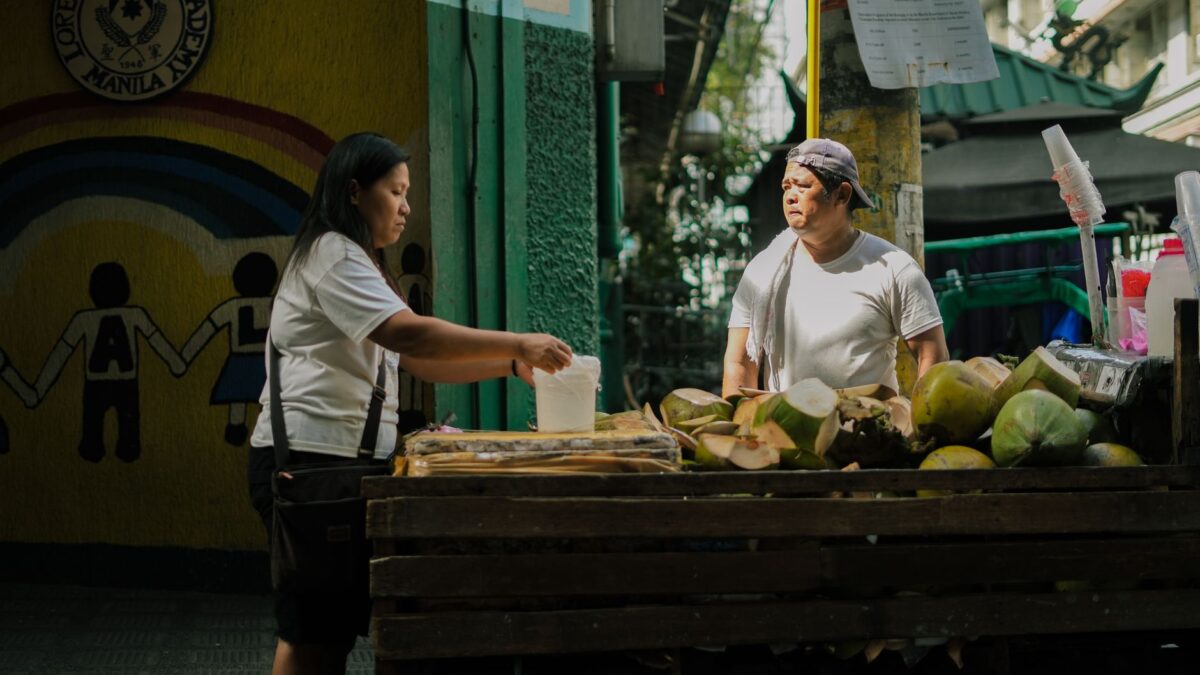
The air in Manila doesn’t just sit; it presses against you. It is mid-September, and the humidity is a thick, wet blanket that smells of diesel, frangipani, and frying garlic. If you are standing near the cobblestones of Intramuros or the neon glow of Poblacion, you will notice two things: the heat, which makes the ‘feels like’ temperature hit a sweltering 37°C, and the hunger that comes with it. The Philippines is not a country for the faint-hearted eater, but for those willing to dive into the chaos, the rewards are immediate, cheap, and unforgettable. I am Miguel Santos, and this is how we eat in our capital.
Street Food and the Carinderia Culture
You cannot understand Filipino food from a menu alone. You have to stand on the sidewalk. The backbone of local dining is the carinderia—a small, open-air eatery where women display a dozen metal trays of cooked food under glass shields. This is where you go when you want to taste the real Philippines without spending a fortune. A simple plate of rice and one viand (main dish) runs about ₱50–100. Even at a slightly more established carinderia, you will rarely pay more than ₱150 for a full meal. For context, that is roughly $2.00 USD.
What should you look for? Look for adobo, the national dish of chicken or pork marinated in vinegar, soy sauce, and bay leaves. It is tangy, salty, and deeply comforting. Also seek out kare-kare, a rich oxtail stew thickened with peanut sauce, usually served with shrimp paste (bagoong) and bitter eggplant. If you see skewers grilling over charcoal, grab them. These are iskabedil—skewered liver, intestines, and cartilage. They are chewy, smoky, and best eaten with a side of fresh calamansi juice.
For a quick, cheap bite, head to the bustling streets of Binondo, the world’s oldest Chinatown. Here, the air is thick with the scent of roasting ducks and dumplings. While Binondo has high-end restaurants, the street-level stalls offer noodles and siopao (steamed buns) for pennies. Just be mindful of your surroundings; Quiapo and Divisoria markets attract pickpockets, so keep your cash in a front pocket and avoid flashing valuables.
Mid-Range Dining: Where Locals Celebrate
When you want air-conditioning, a cold beer, and a proper table, you enter the mid-range tier. In Manila, this is where the social life happens. A meal at a standard local restaurant will cost you between ₱300 and ₱600 per person. If you are in the posh districts of Makati CBD or Bonifacio Global City (BGC), expect to pay up to ₱900 at a sit-down place. This is still incredibly affordable compared to Western standards.
I recommend starting your culinary tour at The Aristocrat Restaurant in Ermita. It is an institution, a no-frills diner that has been serving Filipinos since 1946. Order their classic chicken inasal and try the longganisa, a sweet breakfast sausage that is a staple here. It is a place where bankers, students, and tourists sit shoulder-to-shoulder. Another must-visit is Manam | Robinsons Place. This restaurant celebrates the regional cuisine of the Visayas and Mindanao, offering dishes like kinilaw (ceviche-style raw fish) and crispy pata (deep-fried pig knuckle). It is a great way to taste flavors outside of Luzon without leaving the city.
For coffee lovers, the scene is booming. A cup of coffee or cappuccino at a local café costs around ₱130–160. Visit Millibean Cafe + Roastery for expertly brewed beans, or grab a quick espresso at Café Y Ruedas if you are near Intramuros. The café culture here is less about working on laptops and more about socializing in the cool, air-conditioned spaces that are necessary escapes from the afternoon heat.
Intramuros and Heritage Bites
Walking through the Spanish walled city of Intramuros, founded in 1571, feels like stepping back in time. But don’t let the history distract you from the food. The heritage district is surrounded by some of the best dining in Manila. After visiting Fort Santiago, where Jose Rizal was imprisoned before his execution, or exploring the UNESCO-listed San Agustin Church, head to Habor View Restaurant. It sits right on the banks of the Pasig River, offering views of the fortifications while you eat grilled seafood and lechon (roast pig).
If you prefer something lighter, Filling Station Bar And Cafe offers a modern twist on Filipino comfort food in a sleek, industrial setting. Their burgers are legendary, but do not overlook their halo-halo, a shaved ice dessert layered with sweet beans, fruits, and leche flan. It is the perfect way to cool down after a hot afternoon walk. Prices here are mid-range, typically ₱400–600 per person, but the ambiance and location justify the cost.
Keep an eye on the calendar, too. If you are visiting during late September, Manila hosts events like the Manila Tourism Expo 2026 at Foro de Intramuros, which often features a food and gastronomy pavilion. These events are excellent opportunities to sample regional specialties from across the archipelago in one place.
Nightlife, Cocktails, and Late-Night Eats
Manila’s nightlife is as vibrant as its food scene. The Poblacion area in Makati, once known for red-light districts, has transformed into a hub of speakeasies and craft cocktail bars. Here, you can enjoy sophisticated Filipino tasting menus and innovative drinks. A cocktail might cost ₱400–600, but the experience is world-class. For a more casual night out, grab a local beer. A domestic bottle or draft runs about ₱80–95. It is cheap, crisp, and pairs well with any snack.
Late-night eating is a ritual. After the bars close, locals flock to 24-hour diners or street stalls for tapsilog (corned beef, fried egg, and rice) or tokneneng (quail eggs in vinegar). If you are staying in BGC, the High Street area offers plenty of options until late. Remember, transportation is key. Use the Grab app to move between districts like Makati, BGC, and Intramuros. Walking long distances is dangerous due to traffic and heat. A short jeepney ride costs only ₱13–15, but only use it for familiar, short hops.
Practical Tips for the Hungry Traveler
Eating in Manila is easy, but knowing a few rules helps. Always carry small cash for street vendors and jeepneys, as cards are not widely accepted outside malls and hotels. Hydration is critical; drink bottled water and avoid ice in questionable establishments. The weather is unpredictable—expect thunderstorms with up to 19mm of rain in the afternoon, so plan indoor meals or mall visits (like Greenbelt in Makati or SM Mall of Asia) during heavy downpours.
If you need to extend your stay, remember that visa-free entry is 30 days for many nationalities. For longer trips, register with the Bureau of Immigration. Banking can be strict post-2024 due to anti-money-laundering crackdowns, so have your passport and address proof ready if you plan to open an account. For daily needs, get a SIM card from Globe or Smart and register it immediately; you will need a local number for GCash, the dominant e-wallet used for payments everywhere from sari-sari stores to upscale restaurants.
Finally, embrace the chaos. Filipino food is about sharing, loud conversations, and generous portions. Whether you are eating a ₱100 plate of adobo in a carinderia or a ₱600 tasting menu in Poblacion, the hospitality is genuine. Manila is a city that feeds you, literally and figuratively. Come hungry, leave full, and always save room for halo-halo.
Frequently asked questions
How much does a typical meal cost in Manila?
A meal at a local carinderia costs about ₱50–150 ($2.00). Mid-range restaurants charge ₱300–600 per person, while upscale spots in BGC or Makati may run ₱500–900.
What is the cheapest way to eat in the Philippines?
Eat at a carinderia, a small open-air eatery. You can get a full plate of rice and viand for as little as ₱50–100. Street food like skewers and siopao in Binondo is also very inexpensive.
Where can I find authentic Filipino food in Manila?
Visit The Aristocrat Restaurant for classic diner fare, Manam for regional Visayan and Mindanao dishes, or explore the street stalls in Binondo and Quiapo for local snacks and noodles.
Is it safe to eat street food in Manila?
Yes, if you choose busy stalls with high turnover. Stick to freshly cooked items like grilled skewers or boiled eggs. Be cautious in crowded areas like Quiapo and Divisoria for pickpocketing.
What payment methods are accepted in Manila restaurants?
Cash is king for street food and smaller eateries. Most mid-range and upscale restaurants accept credit cards. Mobile payments via GCash are widely used across the city.
Things to do in Philippines
 Immerse in Culture: Villa Escudero Coconut Plantation Experience
 Cebu Walking Tour — History, Culture & Local Food Experience
 Cebu: Scuba Diving Experience beach entry in Mactan
 Bohol Full Day Waterfall & Countryside Scooter Tour
 Viva Old Manila! : Intramuros Walking Tour
 Dumaguete Tours in English | Private, Flexible Full Day Tours