

Moving to Uruguay: visas, banking and SIM cards
You step off the plane at Carrasco International Airport and the first thing that hits you is the wind. It’s a sharp, Atlantic gust that smells of salt and wet earth, cutting right through your jacket. It’s late September here in Montevideo, and while the calendar says spring, the weather has other plans. Today it’s hovering around 12°C with a light drizzle and winds whipping up to 48 km/h. Locals don’t flinch; they just pull their scarves tighter and keep walking. This raw edge of the season is exactly when you realize that moving to Uruguay isn’t just about the relaxed lifestyle—it’s about practical preparation. Before you can enjoy the rambla or find a quiet corner in the Cordón to work, you need to navigate the bureaucracy, secure your finances, and get connected. Here is how I set up my life in Montevideo, and how you can too.
Entry and the Residency Path
If you hold a passport from the US, EU, UK, Canada, or many other nations, you’re lucky. You enter visa-free as a tourist for 90 days. There is no arrival fee, but you must carry proof of onward travel and a passport valid for your stay. Do not try to stretch this counter carelessly. Overstaying leads to fines, and you will be forced to leave the country to reset the clock. Use these initial weeks wisely: explore Ciudad Vieja during the day to see the colonial architecture and Plaza Independencia, but stick to main streets after dark.
However, if you are planning a longer stay, the tourist window is just a trial run. The real game begins with the Dirección Nacional de Migraciones (DNM). To apply for temporary residency, you need apostilled and Spanish-translated police records and birth certificates. Once approved, you receive your cédula de identidad from the DNIC. This ID card is your golden ticket—it unlocks banking, health coverage, and lease agreements. Budget six to twelve months for this paperwork process; patience is the first requirement of living here. While you wait, register for a tax number (RUT) at the DGI. It’s essential for any legal employment or business activity.
Banking on the River Plate
Once you have your foot in the door with your cédula (or even while processing it), you’ll need a local financial footprint. Montevideo is among the most expensive cities in South America, with inflation pushing food and transport costs up steadily—roughly 40 Uruguayan pesos equal one US dollar. You need a reliable account to manage this.
The state-owned Banco República (BROU) is the most inclusive bank for newcomers. Many expats start here because BROU often accepts a passport during the cédula processing phase, whereas private banks like Itaú, Santander, BBVA, or Scotiabank usually demand the physical ID or formal residency proof. They will also ask for a local address and statements proving the origin of your funds. If you need immediate liquidity, digital options like Prex or Mercado Pago offer quick prepaid accounts activated with just a passport, perfect for daily transactions while you sort out the traditional banking route.
Staying Connected with Antel
In Uruguay, connectivity is non-negotiable, and the state carrier Antel is the undisputed king. Their coverage is superior across the Montevideo Department, which houses over 1.2 million people. When you land, head to an Antel store or authorized kiosk to buy a prepaid SIM. Expect to pay around UYU 245 for the SIM plus a large data pack—a small price for staying online.
Uruguayan law requires SIM registration under your name, so bring your passport and a local address. For recharging, look for the ubiquitous red kiosks of Abitab or Redpagos. They are on nearly every corner, open late, and accept cash. Whether you are checking emails from a café in Pocitos or navigating via GPS in Carrasco, Antel keeps you linked. Claro and Movistar are alternatives, but for reliability and value, Antel is the standard.
Getting Around Without a Car
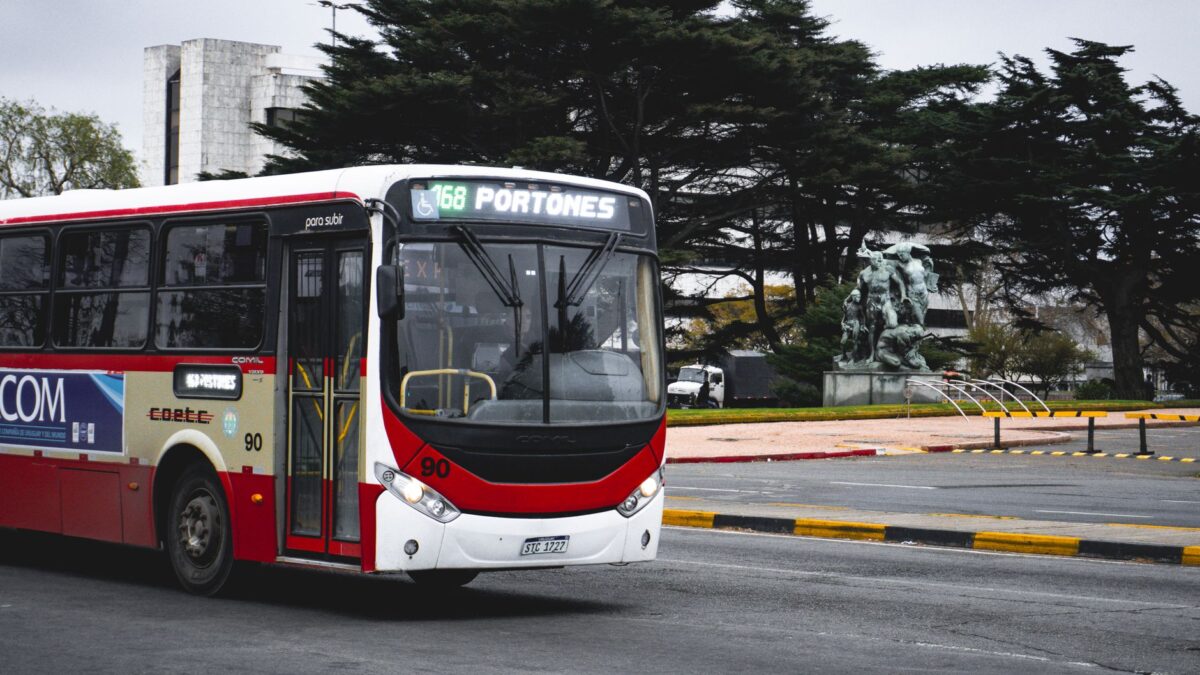
Montevideo has no metro system. Your lifeline is the bus network, paid for with the STM card (Sistema de Transporte Metropolitano). You can buy and top up this rechargeable fare card at Abitab or Redpagos. The one-hour fare is roughly UYU 40–50, making it an affordable way to cross the city. Heavy users might spend between UYU 2,000 and 3,500 monthly on transit, but for most, a modest budget suffices.
The main long-distance terminal is Tres Cruces, and airport transfers are handled by CUTCSA, COPSA, and COT buses. If you prefer convenience, official taxis or ride-hailing apps like Uber, Cabify, and DiDi are widely available. However, safety is a growing concern. While Uruguay is generally safe by regional standards, petty theft is rising. Avoid peripheral areas like Casavalle and Cerro/Casabó, especially at night. Stick to upscale, safer neighborhoods like Pocitos, Punta Carretas, or the bohemian vibe of the Cordón. Always use official transport services after dark and be discreet with phones near ATMs.
Living the Local Rhythm
As you settle in, remember that Montevideo breathes differently than other capitals. The Rambla stretches 22km along the Río de la Plata, offering urban beaches like Playa Pocitos where locals gather when the sun finally breaks through the grey skies. In late September, you might catch the Spring School Holidays programming at Espacio Modelo, featuring free circus and theatre workshops, or check out the Picnic de Primavera at Parque Rodó, where thousands gather for food trucks and live music.
Food is central to your new life. A chivito sandwich at a neighborhood bar runs about UYU 400–600, and a coffee at Ritual Café or Flor de Kaffee will cost around UYU 80–165. Rent for a modest one-bedroom flat averages around UYU 22,000–25,000 monthly. Life here is layered—literally and figuratively. Dress for the wind, respect the bureaucracy, and embrace the slow, steady pace of the River Plate. Welcome home.
Frequently asked questions
How long can I stay in Uruguay without a visa?
Tourists from many countries, including the US, EU, and UK, can stay visa-free for 90 days. You must carry a return ticket and cannot overstay without facing fines.
What documents do I need to open a bank account in Montevideo?
Most private banks require your cédula de identidad and proof of residency. State-owned Banco República (BROU) is more flexible and may accept a passport during the application process.
Which SIM card provider is best in Montevideo?
Antel is the state carrier with the best coverage and value. You need your passport and a local address to register a prepaid SIM.
Is public transportation reliable in Montevideo?
Montevideo has no metro; buses are the primary mode of transport. You need an STM card, available at Abitab or Redpagos kiosks, for fares around UYU 40–50 per trip.
Things to do in Uruguay
 Tailor-made Montevideo: Private City Tour with a Local
 Same cruise sharing tour in Montevideo with TANGO TOUR
 Discover why we Love the Colonia Wine Experience
 Private transfer Montevideo Airport to Hotel
 Discover Colonia del Sacramento–Private City Tour UNESCO
 Visit a Award-winning Wine Cellar in Montevideo