
Luxembourg in October 2026: what travelers should know now
Morning mist still clings to the Pétrusse valley as you step out onto the rocky plateau of Ville Haute. It is early October in Luxembourg City, and the air has that specific, crisp chill that signals the rentrée culturelle—the cultural return. The summer crowds have thinned, leaving the cobblestones of Grund and the cliffside promenade of the Chemin de la Corniche for those who know how to listen. This month, the city shifts from leisurely sightseeing to a vibrant, indoor-outdoor rhythm. Museums open their late doors, restaurants swap salads for game and mushroom menus, and the tram lines hum with a new energy. If you are arriving now, you are catching the city at its most atmospheric: cool, culturally dense, and beautifully lit by the shortening days.
The Seasonal Rhythm: What to Expect Right Now
October here is a transitional month, but one that feels distinctly alive. Mornings turn cool and misty, particularly if you wander down toward the Alzette river or the Neumünster Abbey in Grund. By midday, the sun often breaks through, warming the sandstone facades of the historic centre. You will notice the culinary shift immediately; local bistros and higher-end restaurants alike are introducing autumn specials featuring wild mushrooms and game, a welcome change after the lighter fare of summer.
Pack layers. A light waterproof jacket is essential for those sudden valley mists, but you will also want something warm for the evenings. The nights are no longer balmy, and while the city stays lively, the outdoor terraces are losing their appeal quickly. This is not peak tourist season, which means you will find more space in the Casemates du Bock and fewer queues at the Grand Ducal Palace. However, it is worth noting that rents in the city remain high; a modest one-bedroom flat trends around €1,850 (approx. $1,700 USD), so if you are staying long-term, budget accordingly. For short stays, mid-range hotels run about €145 per night, while budget options hover near €95.
Key Events & Cultural Happenings
This month offers a concentrated burst of culture. The highlight is undoubtedly the Nuit des Musées on October 10th. From 17:00 to 01:00, seven participating museums throw open their doors with performances, DJ sets, and special tours. It is a fantastic way to experience venues like MUDAM or the National Art & History Museum without the usual daytime crowds. Free shuttle buses connect the venues, and the tram runs extended service, making it easy to navigate between Kirchberg and the city centre.
If you are here on October 1st, look out for the K-Culture Festival day at Cercle Cité. It celebrates Korean food, art, and music, closing with a performance by SANARE. It is a small but vibrant event that reflects the city’s increasingly international creative scene. Later in the month, on October 16–18, join the European Heritage Days for guided walks along the old fortifications and through the Pétrusse valley. These tours, available in English, French, and Luxembourgish, offer a deeper historical context to the UNESCO-listed site than you might get on your own.
Also note the peaceful women’s-safety march organized by Ask for Angela on October 2nd. Starting at Hamilius and moving through the centre to Knuedler, it is open to all and requires no registration. It is a powerful community event that underscores the social fabric of the city beyond just tourism.
Transport & Infrastructure Updates
Getting around is generally seamless, thanks to Luxembourg’s unique public transport system. All domestic bus, tram, and train travel in second class is completely free nationwide. This includes the tram line linking Gare to Kirchberg, which is vital for reaching the EU institutions and the MUDAM. You simply board and go; no ticket needed. However, be aware of ongoing infrastructure works that may affect your route.
The Kirchberg tram extension works are currently keeping Boulevard Konrad Adenauer one-way (from J.F. Kennedy to Rue Erasme). Several city bus lines are diverted, and stops have been moved. If you are heading to the European Quarter or the Philharmonie, check the VDL.lu website for real-time stop adjustments. Additionally, Rue des Hauts-Fourneaux in Dommeldange is closed for bridge demolition and rebuilding. While this is further from the main tourist hubs, signed diversions are in place if you are driving or cycling in that sector.
Taxis remain a viable option for airport transfers, costing roughly €35–€50 to the city centre. If you need to stay connected, prepaid SIMs are readily available at POST Telecom, Tango, and Orange shops in the city centre and Gare area. Just remember to bring your passport for registration.
Safety & Neighborhood Notes
Luxembourg City is generally very safe, but like any urban centre, it has nuances. The Gare district, surrounding Place de Paris and Rue de Strasbourg, is the busiest and most international area, but it is also the city’s hotspot for crime. Police data indicates a significant portion of national robberies occur here, and many residents feel unsafe. Exercise standard big-city caution here, especially at night. Avoid walking alone in poorly lit areas near the station platform exits.
In contrast, the Grund and Clausen districts are picturesque but require attention. Grund is beautiful with its riverside cafés, but access relies on lifts and stairs that can be tricky in wet weather. Clausen, while home to the birthplace of Robert Schuman and a vibrant nightlife strip, is rated lower for safety in recent city surveys. Stick to the well-lit main streets and avoid isolated pockets along the riverbank after dark.
The Ville Haute (Upper Town) and Kirchberg are the safest and most convenient bases for visitors. The pedestrian-friendly Rue du Marché-aux-Herbes is perfect for evening strolls, and the view from the Gëlle Fra (Golden Lady) monument over the Petrusse valley is a must-see at dusk.
Practical Tips for October Arrivals
Visitors from the EU/EEA/Switzerland only need a valid ID or passport for stays under three months. Third-country nationals requiring a Schengen visa should ensure their type-C visa is valid and file a déclaration d’arrivée upon entry. If you are moving here habitually, registration at the Bierger-Center on Place Guillaume II is mandatory within three working days for non-EU citizens. Bring proof of housing, ID, and employment contracts.
Banking can be strict. Major banks like Spuerkeess and BGL BNP Paribas require KYC checks that can take 1–2 weeks. Neobanks like Revolut or N26 are useful stopgaps for immediate transactions. For dining, reservations are recommended for popular spots like Salento or JUNCO, especially on weekends when locals flock to the new autumn menus. Coffee lovers should try Feierboun Coffeeroasters or ZECA-Specialty Coffee for some of the city’s best independent brews.
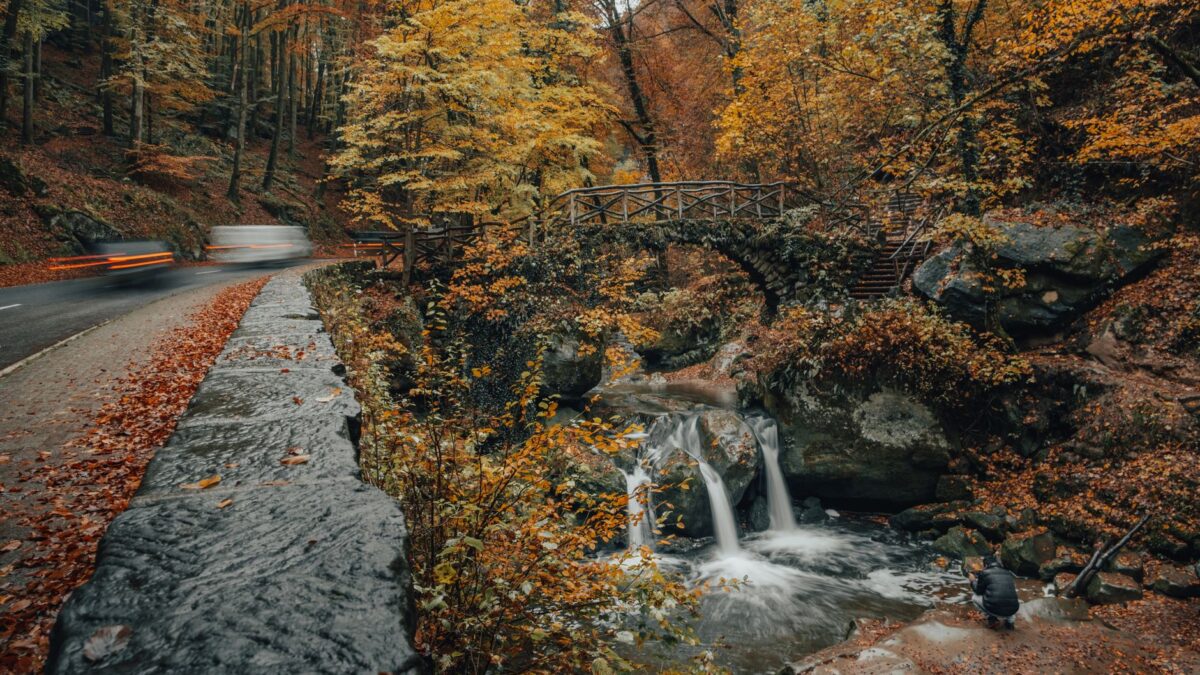
Finally, embrace the slow pace. October is not about rushing through landmarks; it is about sitting in a café in Bonnevoie, watching the leaves fall in the Mullerthal trails if you venture out, or listening to a jazz set in a Kirchberg bar. The city rewards those who take their time.
Frequently asked questions
Is public transport free in Luxembourg City in October 2026?
Yes, all domestic bus, tram, and train travel in second class remains completely free nationwide. You do not need to purchase tickets for local transit.
What major events are happening in Luxembourg City this month?
Key events include the K-Culture Festival on Oct 1, the Women's Safety March on Oct 2, and the Nuit des Musées on Oct 10. European Heritage Days follow on Oct 16–18.
Are there any road closures I should know about?
Boulevard Konrad Adenauer in Kirchberg is one-way due to tram works, and Rue des Hauts-Fourneaux in Dommeldange is closed for bridge reconstruction. Check vdl.lu for updates.
Which neighborhoods should I avoid at night?
Exercise heightened caution in the Gare district around Place de Paris and Rue de Strasbourg, which has higher crime rates. Stick to well-lit areas in Clausen and Grund.
Do I need a visa to visit Luxembourg City in October?
EU/EEA/Swiss citizens need only an ID/passport. Third-country nationals typically need a Schengen Type-C visa and must file a declaration of arrival upon entry.
Things to do in Luxembourg
 Private Vianden Castle Tour from Luxembourg City
 Luxembourg: Moselle Wine Tasting & Castle Private Day Tour
 Luxembourg & Belgium 1-day private guided WW2 tour
 Luxembourg Vianden Castle Tour with Transfer + surprise stop
 From Luxembourg: Trier, Moselle River, Waterfall and Castle Tour
 Luxembourg Castles, Forests & Rivers Private Tour (Easy Walks)