

Israel in October 2026: what travelers should know now
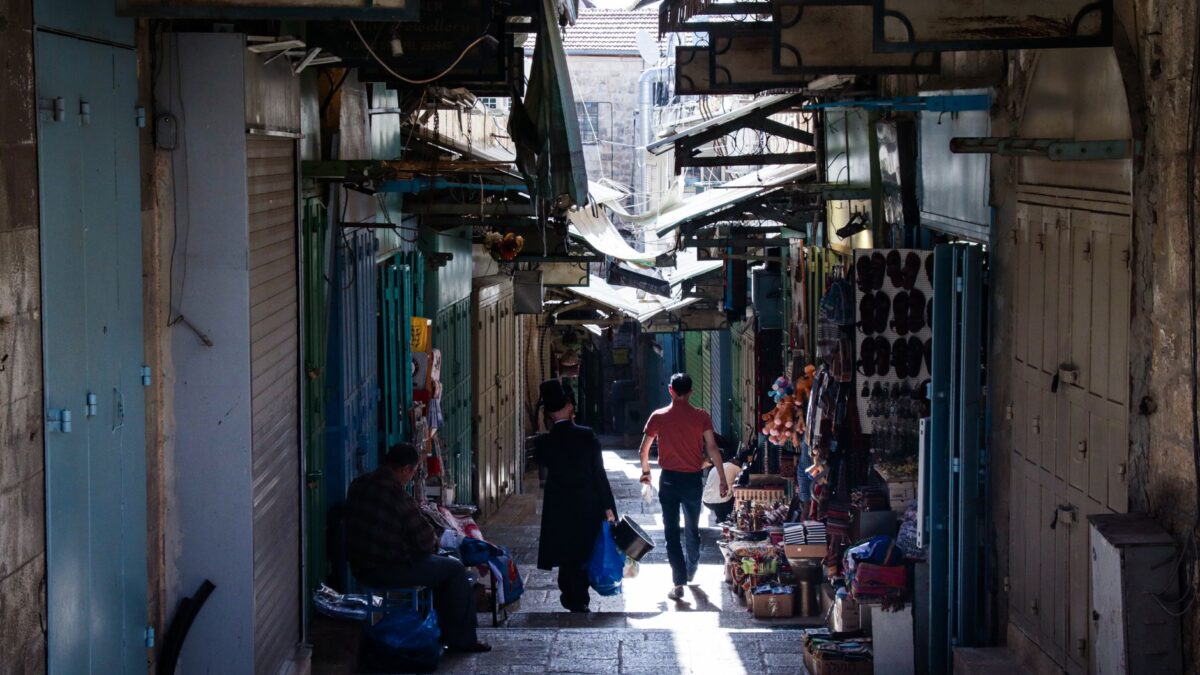
The air in Jerusalem right now carries that specific, heavy sweetness of October—the scent of crushed etrog, dried figs, and the first guavas hitting the market stalls at Mahane Yehuda. It is the tail end of a long, dry summer, but the heat has finally broken. If you are arriving this month, you are stepping into a city that feels both festive and fiercely alive. The streets are thronged with Sukkot visitors, and for the next few weeks, Jerusalem is less of a quiet historical site and more of a bustling, sensory overload of autumn harvest and political tension.
Weather: Pack for Layers, Not Heat
As of today, October 2, the verified forecast shows temperatures hovering between 16°C and 25°C, with overcast skies and light winds. This is a deceptive comfort. The sun can still feel warm during the day, especially if you are walking up to the Old City walls, but once the clouds roll in or the sun dips below the Judean hills, the chill sets in quickly. You will see locals wearing light jackets by mid-morning and shedding them only around noon.
Pack layers. A t-shirt for the midday warmth, a sweater or cardigan for the evenings, and a waterproof jacket just in case the seasonal rains arrive earlier than usual. The humidity is low, so it won’t feel clammy, but the temperature drop after sunset is real. If you plan to hike in the Jerusalem Forest or walk through Gazelle Valley, sturdy shoes are essential, as the trails can be damp from morning dew even when the sky is clear.
The Sukkot Rush and Seasonal Crowds
We are currently in the thick of Sukkot, one of the most significant holidays in the Jewish calendar. This means the city is crowded, vibrant, and somewhat chaotic. You will see temporary booths (sukkot) erected on rooftops, balconies, and street corners across neighborhoods like Rehavia and Nachlaot. The smell of etrog and Four Species stalls is everywhere, and markets are stacked with pomegranates, fresh dates, and seasonal produce.
This is peak tourist season for domestic travel, so hotels fill up fast. Prices are higher than the shoulder months. A modest one-bedroom flat in the city centre rents for around ₪4,500–₪6,500 (approx. $1,490) monthly, which reflects the premium you pay for short-term stays here. If you are booking a hotel, expect to pay roughly ₪450–₪800 (approx. $170) per night for a mid-range double room. These are not luxury prices, but they are steep for what you get. Budget accordingly, and book early.
Construction Chaos: Navigating the Roads
If you are renting a car or relying on taxis, be warned: infrastructure works have burst into full swing right after the holiday. The city is undergoing significant changes, and traffic patterns are shifting weekly. The Yirmiyahu/Shamgar junction is under round-the-clock work for about a week, and Shaulzon Street will see overnight works for three weeks. A new traffic layout on Nissim Behar means the entrance from Ohalei Yosef is closed, and sidewalk probing is happening on Pierre Koenig in Talpiot from October 6–8.
Public transport is also affected. The Blue Line light-rail construction has begun, permanently closing King George and Strauss streets between Ben Yehuda and HaNevi’im to vehicles. Southbound traffic is blocked, and city bus routes are being rerouted through David HaMelech/Shlomo HaMelech and Bezalel/Shmuel HaNagid corridors. These works will continue for years, so do not rely on old maps. Use the Rav-Kav smart card for buses and the light rail, but check the Rav-Pass app for real-time reroutes. Remember, all transit stops from Friday afternoon until Saturday after sundown for Shabbat, so plan your weekend movements carefully.
Culture, Politics, and What’s Open Now
Jerusalem is a city of events, and October is packed. The free architecture festival, Batim Mibifnim (Open House Jerusalem), opens hundreds of private homes and public buildings for guided tours. A highlight is the first look at the restored Tiferet Israel Synagogue in the Old City’s Jewish Quarter. Registration for limited tours opens October 9, so sign up immediately if that interests you. The festival runs October 15–17 and again October 22–24.
For music lovers, the Jerusalem Baroque Orchestra’s “Witches?” Festival 2026: Echo runs two days of concerts (October 16–17) tracing women in music from Greek myth to 20th-century jazz at Hansen House and the International YMCA. Meanwhile, the city is politically tense. The campaign season for Israel’s October 27 election is in full swing. You may encounter political panels and events filling venues like the Stand With Us Center (Oct 14) and Beit Shmuel (Oct 18). While these are open to the public, expect heightened security and larger crowds near government buildings.
Additionally, the 24th Annual Day of Prayer for the Peace of Jerusalem brings hundreds of senior Christian leaders to the city on October 4, with main events broadcast from the Tower of David Jerusalem Museum. It is a significant cultural moment, reflecting the city’s complex religious tapestry.
Eating, Banking, and Practical Tips
Food is affordable if you eat local. A falafel or sabich in pita costs about ₪18–30 (approx. $6), and a plate of hummus with pita and falafel in the Old City runs ~₪35–70 (full meal ~₪70, approx. $14). Shawarma in pita is a street snack staple at ₪25–45 (approx. $9). For a sit-down meal, places like Machneyuda or Fayruz offer rich, traditional experiences, while Emek Refaim Street in the German Colony is lined with cafes like Coffee Nadi and Roasters for a more modern vibe.
Visitors from visa-exempt countries (US, UK, Canada, EU, Australia) need an ETA-IL applied for online at israel-entry.piba.gov.il for NIS 25, valid for up to 90 days. Passports should be valid six months beyond arrival. Israel no longer stamps passports, issuing a blue entry slip instead, which eases future travel to sensitive countries. For SIM cards, buy prepaid options from Pelephone, Cellcom, or Partner at Ben Gurion Airport or any phone shop; you’ll need your passport. Banking is straightforward if you are staying long-term, with major banks like Leumi and Hapoalim offering services, though Hebrew is often the primary language in branches.
Safety is generally good, but exercise caution in the Old City after dark and around prayer sites on Friday afternoons. The mood is securitized, so remain aware of your surroundings. Jerusalem is expensive compared to other parts of Israel, with rent indices up 3.2% year-on-year. Enjoy the energy, respect the holidays, and savor the last taste of summer before the rains come.
Frequently asked questions
What is the weather like in Jerusalem in October 2026?
Expect temperatures between 16°C and 25°C with overcast skies. Pack layers as it can be warm midday but chilly in the evenings.
Are there major road closures in Jerusalem this month?
Yes, significant infrastructure work is ongoing. King George and Strauss streets are closed for light-rail construction, and Shaulzon Street has overnight works. Check the Rav-Pass app for bus reroutes.
How much does a simple meal cost in Jerusalem?
A falafel or sabich sandwich costs about ₪18–30 ($6). A full hummus meal is around ₪35–70 ($14). Hotels average ₪450–800 ($170) per night.
Do I need a visa for Israel in October 2026?
Citizens of visa-exempt countries need an ETA-IL (NIS 25) applied for online. It allows stays up to 90 days. Passport validity must be six months beyond arrival.
What major events are happening in Jerusalem in October?
Sukkot celebrations, the Open House Jerusalem architecture festival (Oct 15–17 & 22–24), and the Jerusalem Baroque Orchestra's 'Witches?' Festival (Oct 16–17).
Things to do in Israel
 Best seller! Jerusalem old city four quarters tour
 Likely to sell out
Private Tour Jerusalem Old City
Likely to sell out
Private Tour Jerusalem Old City
 JERUSALEM private tour with ELAD VAZANA - Life in Israel & Palestine Then & Now
 Walking Tour of Akko (Half-day)
 In the Footsteps of Jesus: Nazareth and the Sea of Galilee
 Rappelling Down the Ramon Crater Cliff