

The best time to visit Austria
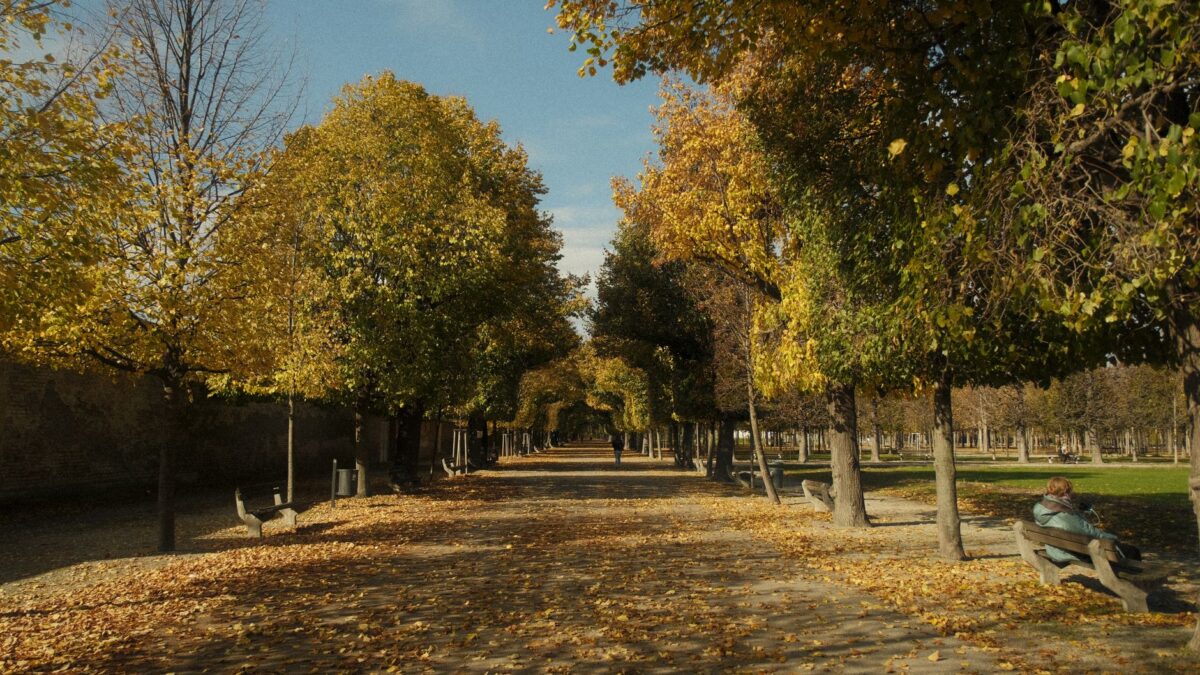
There is a specific, crisp magic to Vienna in early October. The air turns sharp enough to see your breath, the chestnut stalls (Maroni) begin their smoky vigil on every corner, and the Heuriger wine taverns in the hills pour Sturm—the young, sweet, partially-fermented vintage that tastes like autumn itself. It is the season when the city slows down just enough for you to hear the classical echoes in the concert halls without fighting through the summer crowds. But choosing the right time to visit Austria depends entirely on what kind of rhythm you want to find.
Spring: Awakening and Art
April and May bring a tentative warmth that feels like a gift after the long winter. The cherry blossoms at Schönbrunn Palace bloom in clouds of pink, and the Wienerwald (Vienna Woods) begins its green resurgence. This is a lovely time for hiking in the Döbling district or Grinzing, where the vineyard trails are clear and the air is fresh. However, the weather is notoriously fickle; you might experience a full day of sunshine followed by a cold shower, so layering is essential.
Prices are moderate during this shoulder season. You can find mid-range hotel rooms for around €90–180 per night, significantly less than the summer peak. Food costs remain accessible, with a simple Mittagsmenü (lunch menu) at a local Beisl costing roughly €9–14. If you are an art lover, spring aligns well with cultural openings, though some museums may undergo renovations. For instance, the Sisi Museum area has faced closure periods for rebuilding, so always check current status before planning your itinerary around specific Habsburg-era exhibits.
Summer: Energy and Crowds
June through August transforms Vienna into a vibrant, open-air living room. The temperatures climb, often reaching the high 20s Celsius, making it perfect for swimming on the Donauinsel (Danube Island) or enjoying beer gardens in the Prater park. The famous Riesenrad (Giant Ferris Wheel) offers shade-free views, but the real draw is the nightlife and outdoor festivals. The streets buzz with energy, particularly around the Naschmarkt, which comes alive with weekend flea markets and al fresco dining.
The downside? Crowds. This is peak tourist season, and prices reflect that. Hotel rates can surge, and popular attractions like the Kunsthistorisches Museum require advance booking. A single entry ticket runs about €21, but the cost of convenience rises elsewhere. Dining out becomes pricier; a main course like Wiener Schnitzel might cost €14–22 at a mid-range restaurant. Transport also gets more expensive for casual users; a single paper ticket for the Wiener Linien jumped to €3.20 in 2026, replacing the old €2.40 fare. If you plan to move around frequently, consider the 7-day pass at roughly €28.90 rather than paying per ride.
Autumn: Wine, Culture, and Crisis Management
As discussed, September and October are arguably the best months for a first-time visitor seeking authenticity. The “Sturm season” is real, and locals take it seriously. You will find yourself invited to Heuriger taverns in the 19th District, drinking new wine while watching the sunset from Kahlenberg hill. The weather is cool, typically between 10–24°C, ideal for walking the Ringstrasse without sweating.
Culturally, autumn is packed. Events like the Lange Nacht der Museen (Long Night of Museums) open over 250 venues, including Haus der Musik and KunstHausWien, from 18:00 to 24:00. The Re:pair Festival in the MuseumsQuartier also draws crowds with free workshops on everything from electronics to clothing swaps. However, be aware of logistical hurdles. Major infrastructure work, such as closures on the S-Bahn Stammstrecke line between Wien Hbf and Praterstern, can disrupt travel until late 2027. You must rely on shuttle buses and denser U-Bahn intervals. Additionally, large medical congresses can push hotel occupancy near 100%, driving up prices unexpectedly. Always verify museum availability, as sites like Belvedere 21 or the Theatermuseum may close for renovation.
Winter: Snow, Lights, and Savings
December brings the famous Christmas markets, turning Stephansplatz into a wonderland of glühwein and wooden crafts. The city takes on a fairy-tale aesthetic, especially with the lights reflecting off the snow-covered cobblestones of the Innere Stadt. This is peak season for tourism, meaning hotels are expensive and restaurants are booked solid. A cup of coffee in a historic Kaffeehaus like Café Landtmann costs around €4.50–5.00, but the atmosphere justifies the premium.
If you want lower prices, aim for January or February. The post-holiday slump leaves many travelers disappointed, but you gain access to quieter museums and cheaper accommodation. Winter sports enthusiasts should look beyond Vienna to the Alps, where ski resorts offer world-class slopes. For those staying in the city, the cold invites cozy days indoors. Explore the Leopold Museum in the MuseumsQuartier to see Schiele’s intense works, or visit the Tiergarten Schönbrunn, one of the world’s oldest zoos, where animals are often more active in cooler weather.
Practical Tips for Every Season
Regardless of when you visit, understanding the local context helps. Austria uses the euro, and while inflation has hovered around 3.5%, daily costs remain reasonable compared to other Western European capitals. A litre of whole milk is about €1.49, and a local beer in a pub ranges from €4.00–5.50. For transit, the Wiener Linien app is indispensable; digital tickets are slightly cheaper than paper ones. Safety is generally high, but keep an eye on your belongings in crowded stations like Praterstern, which can feel rough late at night.
Visitors from visa-exempt countries like the US or UK can stay 90 days within any 180-day period under Schengen rules. Keep an eye on ETIAS requirements, which may phase in from late 2026. Finally, embrace the local pace. Whether you are grabbing a Käsekrainer sausage for €4–5 at a street stand or sitting for hours in a coffeehouse, the key to enjoying Austria is slowing down and letting the city reveal its layers.
Frequently asked questions
What is the best month to visit Vienna for wine and mild weather?
Early October is ideal. You can enjoy Sturm (new wine) in the Heuriger taverns of the 19th District while temperatures hover around 10–24°C, avoiding both the summer crowds and the deep winter chill.
How much does public transport cost in Vienna in 2026?
A single paper ticket costs €3.20, while digital tickets are €3.00. For regular use, a 7-day pass is approximately €28.90, and the annual Jahreskarte WIEN is €467 for paper or €461 digitally.
Are there major construction disruptions affecting travel in Vienna right now?
Yes, the S-Bahn Stammstrecke main line is closed between Wien Hbf/St. Marx and Wien Praterstern until late October 2027. Travelers must use shuttle buses and rerouted trams during this period.
What are typical food prices in Vienna for a budget traveler?
A simple lunch menu (Mittagsmenü) costs around €9–14. A main course like Wiener Schnitzel is roughly €14–22, and a Käsekrainer sausage from a Würstelstand is about €4–5.
Which museums in Vienna are currently closed for renovation?
Belvedere 21 is closed from October 5 to November 5, 2026. The Sisi Museum area is shut from October 6 to November 19, and the Theatermuseum remains closed until November for rebuilding.


