
The best time to visit Uruguay
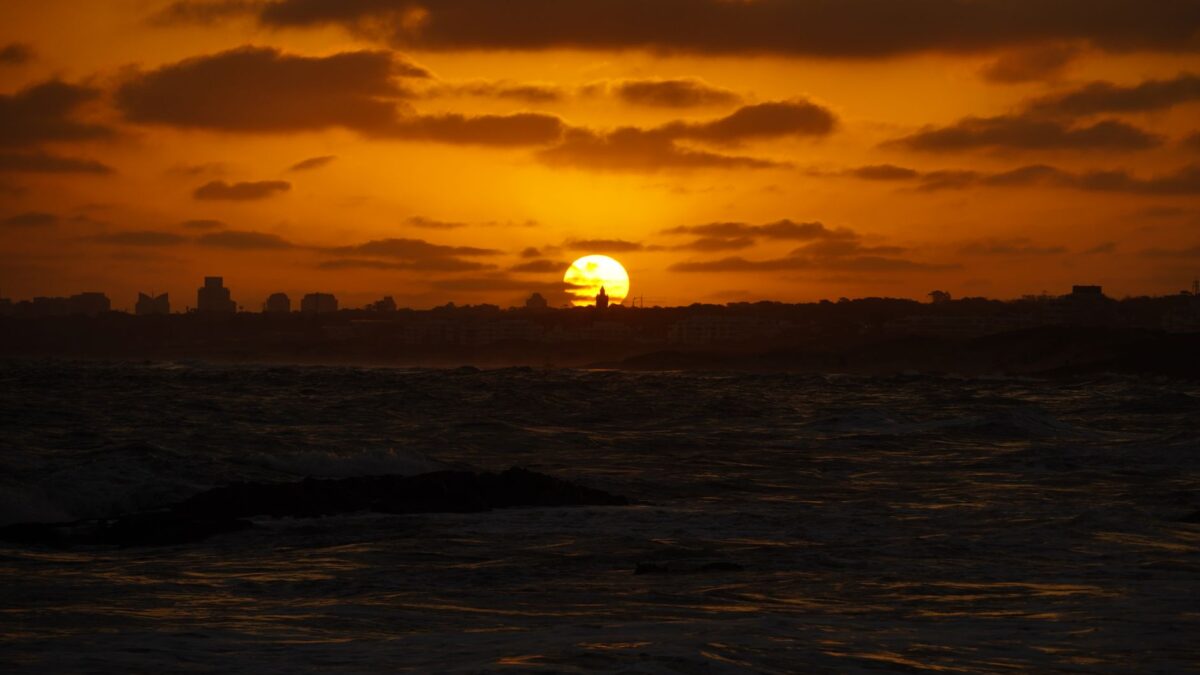
It is mid-October in Montevideo, and the air has that specific, electric crispness that only exists here. The jacarandas are still holding onto their purple blooms while the tipa trees begin to turn gold. I am sitting on the Rambla, watching the light hit the Río de la Plata, thinking about how this city changes its skin depending on when you arrive. Uruguay is not a place where “best” is a single month; it is a choice between sun-soaked languor and cultural intensity. As your local guide, let me help you pick the rhythm that fits your soul.
The Summer Pulse: December to March
If you want the classic Uruguayan dream—white sand, cold beer, and the sound of waves—you must come during summer. This is peak season, particularly January and February. The heat can be humid, but it is manageable with the constant breeze from the river. This is when the locals flee the city for Punta del Este or the beaches of Rocha, but Montevideo stays vibrant, especially along the Pocitos and Carrasco shores.
Be prepared for higher prices. Accommodation in areas like Pocitos or the leafy suburbs of Carrasco will cost significantly more. A modest one-bedroom flat might rent for around 25,000 UYU a month in off-season, but daily rentals spike. You will also find yourself sharing the best chiringuitos (beach bars) with tourists. However, the energy is unmatched. It is the time for long days on the Rambla and late nights at the casino in Carrasco.
The Sweet Spot: October and November
This is my personal recommendation for first-time visitors. The weather is mild, typically hovering between 14°C and 17°C, which is perfect for walking the cobblestone streets of Ciudad Vieja without sweating through your shirt. The crowds have thinned out since the summer rush, so you can actually hear yourself think in places like the Mercado del Puerto.
Culturally, this period is explosive. In early October, the city hosts the Feria del Libro (Book Fair) right in the Centro, filling the streets with authors and readers. Just after, the Festival Medieval takes over Castillo Pittamiglio in Punta Carretas, offering a whimsical escape into history with archery and medieval music. If you visit around Heritage Day, you will find nearly 1,500 buildings open to the public for free, including many hidden gems in the historic district. Prices are reasonable, and the jacaranda-lined avenues make every photo look like a postcard.
The Deep Winter: June to August
Do not let the word “winter” scare you away. Uruguay’s winters are wet and windy, not freezing. Expect heavy showers and winds whipping across the Atlantic at 38 km/h or more. It is gray, moody, and profoundly romantic if you know how to dress. This is the season for indoor culture and hearty food.
You will save money on lodging, and you will experience the true Uruguayan passion for the parrilla. There is nothing better than escaping the chill with a parrillada at a mid-range restaurant, costing roughly 700 to 1,500 UYU per person. While the beach is off-limits, the Teatro Solís offers world-class opera and ballet, and the Museo Torres García provides shelter and inspiration. If you enjoy solitude and dramatic skies, winter is your time.
Navigating Costs and Practicalities
Montevideo is one of Latin America’s pricier capitals, so budgeting matters regardless of the season. The currency is the Uruguayan peso (UYU), and inflation has kept costs rising. For example, a simple bus ride on the STM system costs about 50 UYU if you use the rechargeable card, but 61 UYU if you pay cash—a small detail that adds up.
Food costs vary by location. A chivito sandwich in a neighborhood bar runs about 450–600 UYU, while a meal at the tourist-heavy Mercado del Puerto might set you back 800–900 UYU. Rent averages around 20,000 UYU monthly for a modest apartment, but short-term stays command a premium. Always carry some cash, though digital payments are increasingly common. Remember, safety is generally high in Pocitos and Carrasco, but stay alert in Ciudad Vieja after dark, as bag-snatching can occur near the port.
Festivals and Events Calendar
Uruguay celebrates life loudly. Beyond the seasonal shifts, mark these events on your calendar:
- Carnival (February/March): The longest carnival in the world, featuring the Desfile de Llamadas in Barrio Sur. It is raw, rhythmic, and unforgettable.
- Día de la Raza (October 12): A national holiday marking the arrival of Europeans. Many businesses close, so plan accordingly.
- FIDAE (October): The International Festival of Performing Arts brings theatre, dance, and circus acts to Solís and beyond.
- Feria de Tristán Narvaja (Sundays): A massive flea market in Cordón, born from Italian immigration, selling everything from antiques to live chickens.
Whether you come for the summer sun or the winter mate, Uruguay welcomes you with open arms. Pack layers, buy your STM card, and get ready to fall in love with this quiet corner of the world.
Frequently asked questions
What is the best month to visit Montevideo?
October and November are ideal, offering mild weather, blooming jacarandas, and fewer crowds before the summer rush. These months also feature major cultural events like the Book Fair.
How much does a bus ticket cost in Montevideo?
A single ride on the STM system costs approximately 50 UYU with a rechargeable card, or 61 UYU if paid in cash. Tickets allow two transfers within an hour.
Is Montevideo expensive compared to other South American cities?
Yes, Montevideo is one of the region's pricier capitals. Daily costs like meals and transport are higher than in neighboring countries, so budget accordingly.
When is Carnival in Uruguay?
Carnival runs from late January to mid-February, featuring the famous Desfile de Llamadas drumming parade in Barrio Sur. It is the country's most vibrant cultural event.
Is it safe to walk in Ciudad Vieja at night?
Ciudad Vieja becomes quieter and dimmer after dark. While generally safer than many regional capitals, take normal precautions against bag-snatching and use taxis or rideshares at night.


