

Moving to Argentina: visas, banking and SIM cards
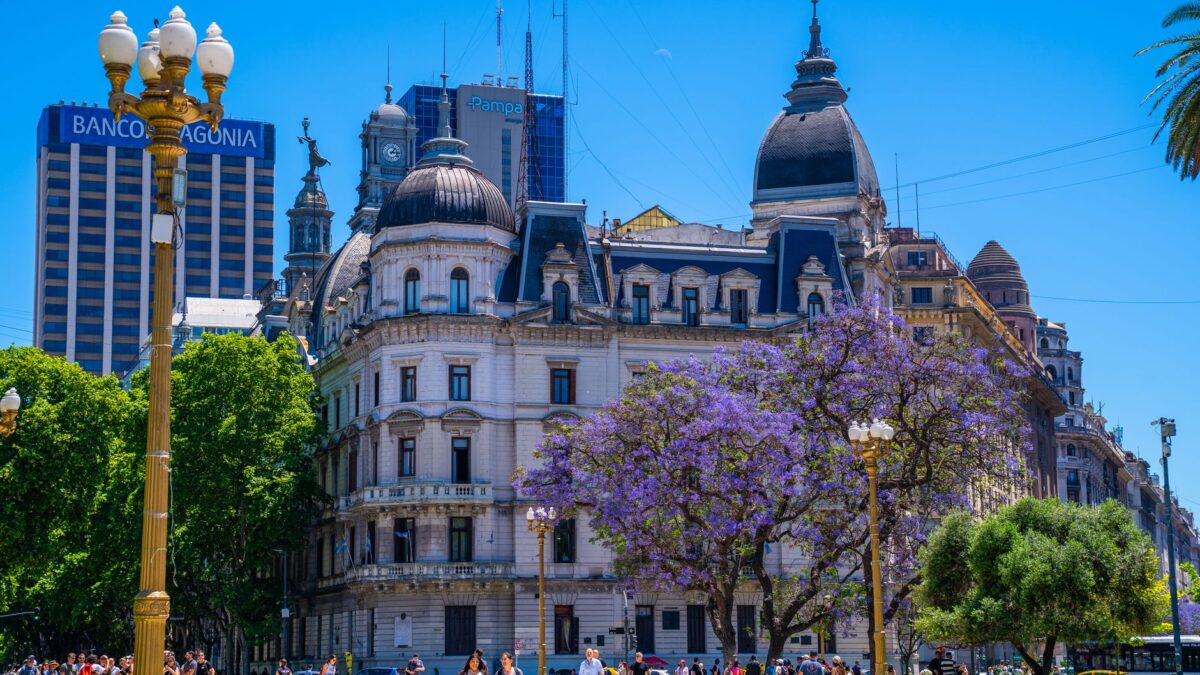
It is mid-October in Buenos Aires, and the jacarandas are just beginning to blush purple along the avenues. The air is warm but carries that distinct spring humidity, and after a light rain shower yesterday, the city smells of wet pavement and blooming flowers. If you are reading this while planning your move or long-term stay, you have picked a beautiful time to arrive. The Day of Respect for Cultural Diversity just passed, leaving the streets quiet but vibrant with the energy of people heading outdoors to plazas and parrillas. But before you can fully enjoy the warmth of a choripán on a weekend afternoon, you need to navigate the practicalities of arrival. I am Camila Duarte, and here is how you set up your life in Argentina without losing your mind.
Navigating Entry and Initial Paperwork
Your journey begins at Ezeiza International Airport (EZE), but the real work starts once you land. Argentina has specific visa requirements depending on your nationality. Most tourists from North America, Europe, and many other regions do not need a visa for short stays, but if you intend to live, work, or study, you must regularize your status within the country. This process is known as “regularización” and typically requires you to apply for a residency permit through the Dirección Nacional de Migraciones.
Do not wait until your tourist visa expires to start this process. It can take months. While you are in the queue, you will need a local address for registration. Many newcomers struggle with this because landlords are often hesitant to register new tenants immediately. My advice: secure a rental contract first, then use that document to begin your migration paperwork. Keep digital and physical copies of your passport, entry stamp, and any temporary residency receipts. You will need these constantly—more than you think—in Argentina.
Banking in a Volatile Economy
This is the most critical step, and it is also the most complex. Argentina operates with a dual-currency reality. While the official currency is the Argentine peso (ARS), the economy experiences significant inflation, currently around 219.9% annually. However, monthly inflation has cooled to roughly 1.5–2% in 2026, which offers some stability. Your salary or savings will likely be held in USD, but daily expenses are in ARS. Understanding the exchange rate is vital; as of late 2024, the rate hovered around 914.695 ARS per US$, but this fluctuates daily.
To open a bank account, you generally need a CUIT (Tax ID number) and proof of residence. Major banks like Galicia Bank Headquarters, Citibank, or the Bank of the Argentine Nation are reliable choices for expats. Some offer international banking packages that allow you to link foreign accounts, though fees vary. Bring your passport, your CUIT, and your initial migration documents. Do not expect instant setup; plan to spend at least one morning at the branch.
Once you have an account, learn about the “MEP” or “CCL” dollar rates. These financial instruments allow you to buy dollars legally at a rate closer to the parallel market, protecting your savings from rapid peso devaluation. If you are paying rent, check if your landlord accepts USD payments directly, as this is common among savvy property owners. A modest one-bedroom flat (dos ambientes) in CABA rents for approximately ARS 886,527 per month, while a studio (monoambiente) sits around ARS 771,871. Paying in pesos means you must manage your exchange timing carefully.
Getting Connected: SIM Cards and Internet
You cannot survive in Buenos Aires without a mobile phone. You will need a local SIM card for apps like Rappi (food delivery), Uber, and WhatsApp, which is the primary communication tool for almost everyone. You can purchase a SIM at the airport upon arrival, or visit a carrier store like Movistar, Claro, or Personal in the city. You will need your passport for registration, which is required by law.
Data plans are affordable compared to US or European prices. Ensure your plan includes enough data for navigation and social media. If you prefer convenience, many carriers offer eSIM options for compatible phones, allowing you to activate service before you even land. Once you have your number, add it to all your essential apps immediately. You will also need to download the SUBE app, which allows you to load credit onto your transit card digitally, saving trips to physical kiosks.
Daily Logistics: Transit and Cost of Living
Buenos Aires is walkable, but distances can be deceptive. The public transit system is extensive but can be confusing for newcomers. The subte (subway) and colectivos (buses) require the SUBE card, a rechargeable smart card used for all public transport. As of October 2026, a single subte fare is approximately ARS 1,817, while a colectivo ride starts at around ARS 920.48. These prices have risen significantly year-to-date, with subte fares increasing by over 50%. Despite the cost, using public transit is efficient and cheap compared to taxis.
Note that several subte stations are currently out of service for renovation, including Medrano on Line B and Lavalle on Line C. Always check transit alerts before traveling. For dining, costs are moderate for visitors earning foreign currency. A street empanada might cost between ARS 3,000 and 5,000, while a classic choripán runs from ARS 10,000 to 15,000. A locro stew is around ARS 12,000. Eating out is part of the culture, so budget accordingly.
If you need to eat near your accommodation, consider areas like San Telmo or Palermo. Restaurants like Sale e Pepe – San Telmo or Puny – Pasta & Grill offer excellent quality. For coffee, CCS Coffee Shop and Café Tortoni are iconic spots where you can work or relax. Hotels like El Misti Coliving Obelisco or Hotel U.O.M. provide good bases for those still searching for permanent housing.
Registering Your Address and Utilities
After securing housing, you must register your address with the relevant authorities. This involves updating your padrón (census registry) and setting up utilities like electricity (Edesur or Edenor), water (SARPA), and internet. Many buildings in Buenos Aires include water and heating in the community fees (expensas), but electricity and internet are separate contracts. Be prepared for bureaucratic delays when activating services; it can take weeks. Have your DNI or foreign ID, lease contract, and previous utility bills ready.
Additionally, familiarize yourself with local holidays and events. With Tecweek 2026 launching in Palermo and BAFA Fashion & Arts taking over Recoleta, the city is bustling with cultural activities. Engaging with the community helps you integrate faster. Whether you are attending events at the National Museum of Fine Arts or walking past the Palacio Barolo, being present in the city’s rhythm makes the administrative burden feel lighter.
Frequently asked questions
How much does it cost to rent a one-bedroom apartment in Buenos Aires?
A modest one-bedroom flat (dos ambientes) in CABA costs around ARS 886,527 per month, while a studio (monoambiente) is approximately ARS 771,871.
What is the current price of a subway ticket in Buenos Aires?
As of October 2026, a single subte fare with a registered SUBE card is about ARS 1,817.
Can I open a bank account in Argentina as a foreigner?
Yes, but you need a CUIT (Tax ID) and proof of residence. Major banks like Galicia or Citibank are recommended for expats.
Are there any subway lines closed for renovations right now?
Yes, Medrano (Line B) and Lavalle (Line C) are closed for renovation. General Urquiza and Entre Ríos (Line E) are also affected.
What is the approximate exchange rate for USD to ARS?
Rates fluctuate, but recent figures show around 914.695 ARS per US$. Always check the latest MEP or CCL rates for financial transactions.


