

The best time to visit Luxembourg
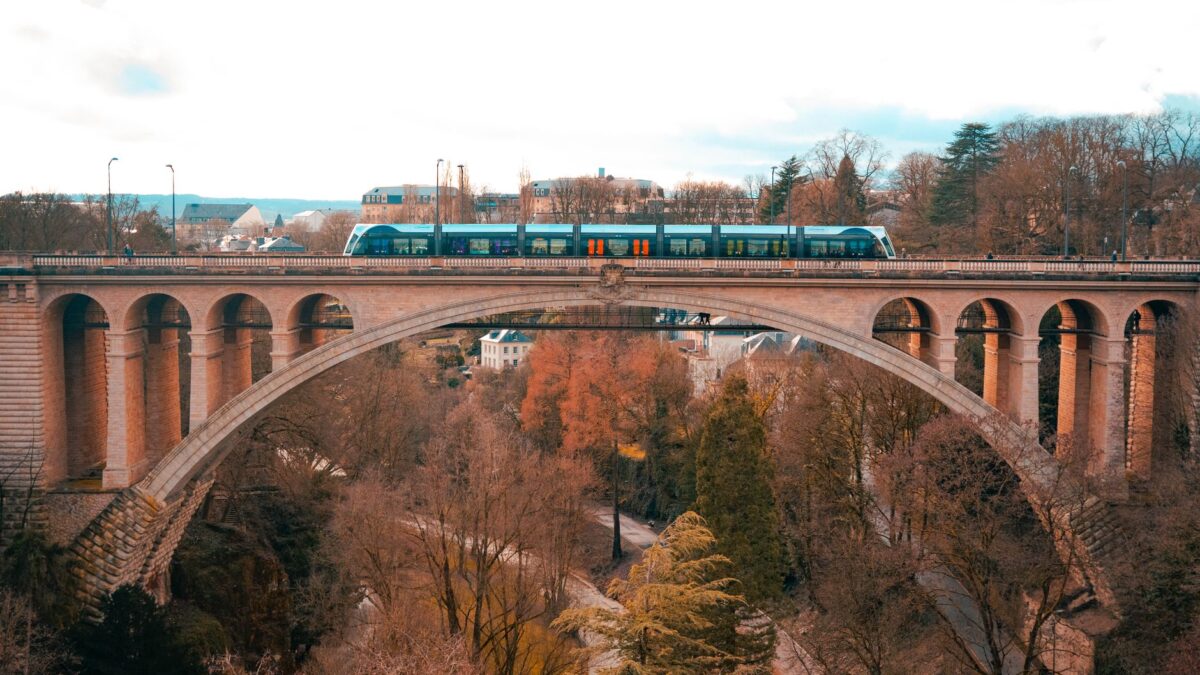
Mid-October in Luxembourg City feels like the city is taking a deep breath before winter. The Pétrusse valley is turning shades of burnt orange and gold, the café terraces have mostly packed up for the season, and the locals are finally pouring the new Moselle wine as the grape harvest winds down. If you are planning your visit now, you are stepping into one of the most atmospheric windows of the year. But ‘best’ depends entirely on what you want from your trip: do you crave the bustling energy of summer festivals, or the cozy, introspective charm of an autumn evening by the Alzette? Let’s break it down season by season so you can pick the right month.
Spring (March to May): The Awakening
Spring here is unpredictable but beautiful. March can still feel like winter, with crisp air and occasional snow dusting the Bock Casemates, but by April, the chestnut trees along the Chemin de la Corniche begin to bud. This is a fantastic time to walk the UNESCO-listed fortifications without the summer crush. You’ll see the red kites and herons returning to the river corridors, making it ideal for wildlife spotting.
Prices are moderate during this shoulder season. While I couldn’t find exact restaurant bills, you can expect mid-range hotel rates to hover around €145 per night, with budget options dipping to about €95. Crowds are manageable, meaning you can get close-up photos of the Grand Ducal Palace without fighting through tour groups. Just remember that weather layers are essential; the wind off the valley can be biting until late May.
Summer (June to August): Peak Energy and Prices
If you want to feel the pulse of the city, come in summer. The Grund district comes alive with riverside cafes buzzing with locals and tourists alike. This is when the changing of the guard at the Grand Ducal Palace draws its largest crowds, and the Gëlle Fra offers panoramic views under clear blue skies. The cultural calendar is packed, with open-air concerts and festivals filling the European quarter on Kirchberg.
However, summer means peak pricing. Accommodation rates climb, and the city center can feel congested. On the plus side, public transport remains free nationwide in second class—a huge relief when navigating between the Gare district and the hilltop Ville Haute. Be aware that the Gare area, while well-connected, is the city’s hotspot for crime and unrest, so stick to the safer, more polished districts like Bonnevoie or Clausen for nightlife after dark.
Autumn (September to November): The Local’s Choice
This is my favorite time to be here. September often retains summer warmth but with fewer tourists. By October, the mood shifts to something more intimate. The Nuit des Musées usually happens in early October, where seven city museums—including the stunning MUDAM designed by I.M. Pei and the historic Villa Vauban—stay open late with DJ sets and workshops. It’s a perfect way to explore the artistic soul of the city, from contemporary art to natural history, all while the autumn leaves fall outside.
Festivals like CinEast bring Central and Eastern European cinema to screens across the city, and nu:notes fills venues like De Gudde Wëllen with jazz and electronic music. Visiting then means you might catch these events, though you should book hotels early. The cost of living is high, but transit is free, which helps offset the price of a taxi ride from the airport (€35–€50). Don’t miss the European Heritage Days in October; the guided ‘UNESCO Walk’ along the fortress walls is a highlight, starting from Place Guillaume II.
Winter (December to February): Cozy Charm and Quiet
Luxembourg City transforms into a winter wonderland, especially around Christmas. The streets of the pedestrian Rue du Marché-aux-Herbes are decorated, and the ice-skating rink near the Philharmonie becomes a local hub. However, days are short, and the gray sky over the rocky plateau can feel somber if you aren’t prepared.
This is the quietest time for sightseeing. You can wander the 23 km of rock-cut tunnels in the Casemates du Bock without elbowing anyone. Hotels may offer lower rates, but check for holiday surcharges. The main draw is the festive atmosphere, but be mindful that some smaller businesses in the city center may close earlier than usual. If you’re staying longer, note that rents in the city center trend around €1,850–€1,900 per month, reflecting the high-income nature of the country, though this has cooled slightly recently.
Practical Tips for Any Season
No matter when you visit, a few logistical truths remain constant. First, travel is free. Since March 2020, all buses, trams, and trains in second class are free nationwide. Use the mKaart app to navigate, and save your money for a nice dinner or a museum entry. Second, safety varies by neighborhood. Stick to the well-lit, popular areas like Ville Haute and Grund. Avoid lingering in the Gare district late at night, as surveys show residents there often feel unsafe due to higher crime rates.
Finally, if you plan to stay for more than 90 days, registration is mandatory. EU citizens must register at the Bierger-Center in the city center within three months, while third-country nationals have just three working days. Bring your proof of housing, ID, and employment contract. For shorter visits, enjoy the freedom of Schengen access with just a valid passport. Whichever season you choose, Luxembourg rewards those who take their time to explore its valleys and cliffs.
Frequently asked questions
Is public transport free in Luxembourg?
Yes, all domestic bus, tram, and train travel in second class is completely free nationwide since March 2020. You only need to pay for first-class upgrades or taxis.
What is the safest area to stay in Luxembourg City?
The Ville Haute (Upper Town), Grund, and Bonnevoie districts are generally considered safe and popular with tourists. Avoid the Gare district late at night due to higher reported crime rates.
When is the best time to see the autumn foliage?
Late September through October is ideal. The Pétrusse valley and city ramparts turn vibrant colors, and you can attend festivals like Nuit des Musées and CinEast.
How much does a mid-range hotel cost per night?
A mid-range (3-star) hotel in the city center typically costs around €145 per night, while budget options start around €95. Rates vary by season.
Do I need a visa to visit Luxembourg City?
EU/EEA/Swiss citizens need only a valid ID or passport. Third-country nationals requiring a visa must obtain a Schengen type-C visa for stays under 90 days before arrival.
Things to do in Luxembourg
 Private Vianden Castle Tour from Luxembourg City
 Luxembourg Vianden Castle Tour with Transfer + surprise stop
 Luxembourg: Moselle Wine Tasting & Castle Private Day Tour
 From Luxembourg: Trier, Moselle River, Waterfall and Castle Tour
 Luxembourg Castles, Forests & Rivers Private Tour (Easy Walks)
 Unusual track game on Christmas markets in Luxembourg