

How much does a trip to Uruguay cost?
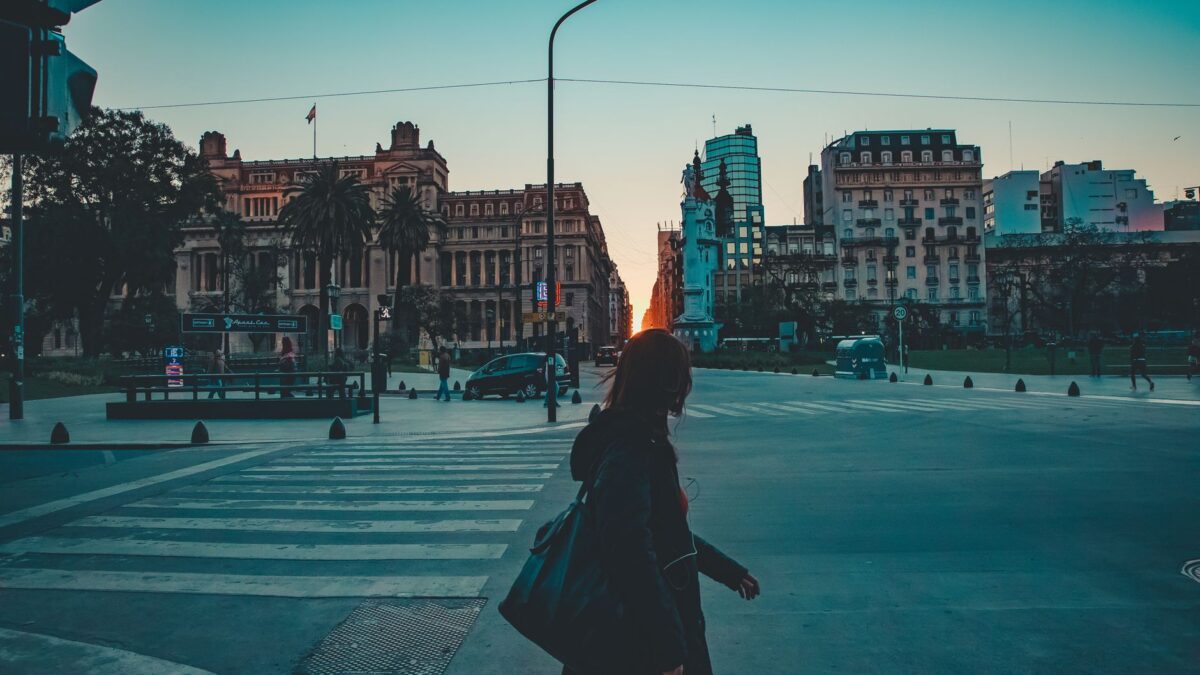
The jacarandás are in full purple bloom along the Rambla, and the air smells of salt spray and damp earth. It is November here in Montevideo, that strange, beautiful limbo between the end of the school year and the explosion of summer tourism. If you are planning a trip now, or any time this year, you will quickly realize that Uruguay does not play by the same budget rules as its neighbors. This is one of Latin America’s pricier capitals, where the urban bus fare rose twice in 2025 and average rents have climbed about 5% year-on-year. But with a little local know-how—and knowing exactly where to eat—you can navigate the costs without breaking the bank.
Accommodation: Where You Sleep Matters
In Montevideo, your nightly rate depends heavily on which barrio you choose. For budget travelers, hostels and basic guesthouses in the Centro or Cordón districts offer the best value. You can expect to pay around 1,500–2,500 UYU per night (roughly $37–$62) for a bed in a shared dorm or a simple private room. Places like Hotel Ciudadano Suites or Quijano Aparts & Suites often provide comfortable, no-frills options in central locations.
If you prefer mid-range comfort, Pocitos and Punta Carretas are your best bets. These neighborhoods are safe, lively, and close to the beach. Expect to spend 4,000–7,000 UYU per night ($100–$175) for a solid boutique hotel or Airbnb. The Alma Historica Boutique Hotel in Ciudad Vieja offers historic charm, while the ibis Styles Montevideo Biarritz in Pocitos gives you modern reliability near the water. For those seeking luxury, Carrasco is the place to be. With its leafy streets and embassy-lined avenues, prices here start around 8,000 UYU per night ($200+) and go up significantly, especially if you book the iconic Sofitel Montevideo Casino Carrasco & Spa.
Note: If you are staying longer than a few weeks, monthly rentals become more economical. A modest one-bedroom flat in a decent area costs approximately 22,000–25,000 UYU per month ($580), according to recent market data. However, securing these requires a bit of paperwork and patience.
Eating Like a Local: From Chivitos to Parrilladas
Food is where you can save money—or blow your budget—depending on your choices. The national dish, the chivito, is affordable if you avoid the tourist traps. In a neighborhood bar or *boliche* away from the main squares, a hearty chivito will cost you about 450–600 UYU ($13). This includes steak, ham, cheese, egg, and fries, making it a complete meal.
For lunch, skip the expensive restaurants and head to the Mercado Agrícola. This restored food hall in Ciudad Vieja is a modern counterpart to the port market, offering fresh, high-quality meals at reasonable prices. You can find excellent salads, sandwiches, and grilled dishes for 500–800 UYu ($12–$20).
Dinner is where costs rise. A traditional parrillada (asado) at a mid-range restaurant typically runs 700–1,500 UYU ($27–$37) per person, depending on the cuts of meat and wine consumption. If you visit the famous Mercado del Puerto in Ciudad Vieja, expect to pay slightly more due to the tourist premium. A standard plate there might cost 800–900 UYU ($21), but the experience of eating under the iron beams of the 1868 hall is worth it for a special night. For a cheaper alternative, look for *picanterías* in Barrio Sur or Palermo, where home-style cooking is served for 600–800 UYU.
Pro Tip: Coffee culture is huge here. A café con leche at a spot like Sometimes Sunday or Escaramuza costs around 150–250 UYU ($4–$6). It’s a small price to pay for hours of people-watching.
Getting Around: Buses, Taxis, and Walking
Montevideo is walkable, but its sprawl means you will need public transport. The STM (Sistema de Transporte Metropolitano) is efficient and covers most of the city. A single bus fare with a rechargeable Tarjeta STM costs 50 UYU ($1.2), while paying in cash is 61 UYU. The card is free to obtain and shareable among friends. A ‘boleto de una hora’ allows two buses within 60 minutes, and new exchange stops (*paradas de intercambio*) extend this to 120 minutes for a third leg.
Taxis and rideshares (Uber, Cabify, DiDi) are widely available and reasonably priced compared to North America. A short ride across town might cost 300–500 UYU ($7–$12). At night, especially in quieter areas like Ciudad Vieja, it is safer to use a rideshare than to walk alone.
If you plan to day-trip to Colonia del Sacramento or Punta del Este, factor in ferry or long-distance bus tickets. These range from 1,500–3,000 UYU ($37–$75) one-way, depending on the season and class of service.
Attractions: Free Views and Paid History
Many of Montevideo’s best experiences are free. Strolling along the 22 km Rambla is a civic ritual for locals. Watch fishermen cast their lines into the Río de la Plata at sunset, or jog past the Parque Prado. The view of the Palacio Salvo from Plaza Independencia is also free and breathtaking.
For paid attractions, the Teatro Solís offers cheap guided tours for about 300 UYU ($7), giving you access to this 1856 opera house. The Estadio Centenario and its football museum are must-visits for sports fans, costing around 400–600 UYU ($10–$15). Museums like the Museo Torres García charge similar fees. Shopping malls like Punta Carretas Shopping (a converted prison) are free to explore and offer great architecture and dining.
Daily Budget Breakdown
Here is a realistic snapshot of what a day in Montevideo might cost, based on current prices:
- Budget Traveler (~$45/day / ~1,800 UYU): Hostel dorm (1,500 UYU), street food/chivito (600 UYU), bus fare (50 UYU), free walking tour.
- Mid-Range Traveler (~$120/day / ~4,800 UYU): Mid-tier hotel in Pocitos (4,500 UYU), lunch at Mercado Agrícola (800 UYU), dinner at a nice restaurant (1,500 UYU), occasional taxi (500 UYU).
- Comfortable Traveler (~$200+/day / ~8,000+ UYU): Luxury hotel in Carrasco (8,000 UYU), fine dining (2,000 UYU), private transfers (1,000 UYU), guided tours and entrance fees (1,000 UYU).
Uruguay is not a cheap destination, but it is safe, clean, and deeply rewarding. By sticking to local eateries, using the bus system, and enjoying the free beauty of the Rambla, you can experience the true soul of Montevideo without overspending. Just remember: carry cash for small vendors, keep your STM card charged, and always trust your instincts when navigating the old town after dark.
Frequently asked questions
Is Montevideo expensive compared to other South American cities?
Yes, Montevideo is one of the pricier capitals in Latin America. Costs for accommodation and dining are higher than in neighboring countries like Argentina or Brazil, partly due to recent inflation and currency stability.
How much should I budget per day for food in Montevideo?
You can eat well for 1,000–2,000 UYU ($25–$50) per day if you mix street food like chivitos with casual sit-down meals. Tourist-heavy areas like Mercado del Puerto will cost more, around 800–900 UYU for a single large meal.
What is the cheapest way to get around Montevideo?
The STM bus system is the most economical option. A single ride costs 50 UYU with a rechargeable Tarjeta STM, which allows two buses within an hour. Rideshares are convenient but more expensive.
Are there free things to do in Montevideo?
Absolutely. Walking or jogging along the Rambla, visiting Plaza Independencia to see the Palacio Salvo, and exploring the cobblestone streets of Ciudad Vieja are all free. Many museums offer discounted days or low entry fees.
When is the best time to visit Montevideo to save money?
Late spring (November) and early autumn (March/April) offer good weather with fewer tourists than the peak summer months of December through February. Prices for flights and hotels may be lower during these shoulder seasons.
Things to do in Uruguay
 Tailor-made Montevideo: Private City Tour with a Local
 Same cruise sharing tour in Montevideo with TANGO TOUR
 Discover why we Love the Colonia Wine Experience
 Private transfer Montevideo Airport to Hotel
 Discover Colonia del Sacramento–Private City Tour UNESCO
 Visit a Award-winning Wine Cellar in Montevideo