

A first-timer’s guide to Austria
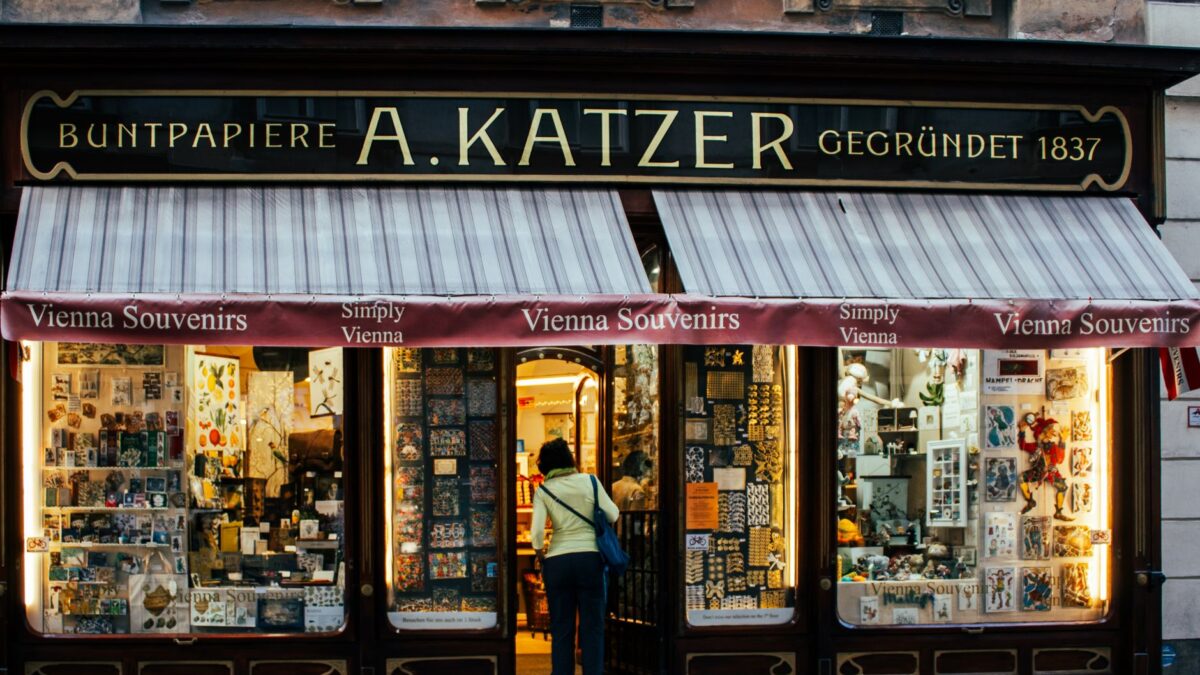
The air in Vienna is turning leaden. It’s early November, and the city has shifted into that peculiar, cozy rhythm where the days grow dark before five o’clock and the streets smell of roasted chestnuts and woodsmoke. If you are arriving now, you aren’t just visiting a capital; you are stepping into the middle of the season. The markets are setting up their first Glühwein stands, and every local Beisl (tavern) is serving Martinigansl—roast goose specials for Saint Martin’s Day, which is just six days away. But beneath the festive atmosphere lies a city of immense complexity, from its imperial history to its modern transit quirks. Here is how to navigate Austria’s heart without getting lost in the details.
When to Visit and How Long to Stay
Vienna is beautiful year-round, but the “best” time depends entirely on what you want to experience. If you crave Christmas markets, December is magical but crowded. Spring and autumn offer the most pleasant weather for walking the Ringstrasse. However, do not underestimate the winter. As I write this, temperatures are hovering around -1°C to 10°C, with a foggy chill that makes seeking out a coffeehouse feel like a moral imperative rather than a leisure activity.
For your itinerary, aim for at least four or five days. This allows you to see the major landmarks—the Hofburg, St. Stephen’s Cathedral (Stephansdom), and Schönbrunn Palace—without rushing. If you have more time, take a day trip to the Wachau Valley for vineyard views or hike the Kahlenberg for panoramic sunsets. A week is ideal if you want to explore the districts beyond the center, such as the creative energy of Neubau or the diverse food scenes of Favoriten.
Getting Around: Navigating the Network
Vienna’s public transport system, run by Wiener Linien, is world-class. You can rely on the U-Bahn, trams, and buses to get you anywhere efficiently. However, there are significant construction projects currently reshaping the network, and knowing these detours will save you hours.
First, the S-Bahn trunk line is completely closed between Wien Hauptbahnhof/St. Marx and Praterstern for rebuilding until late 2027. If you are arriving by train from the airport, the City Airport Train (CAT) is no longer running; you must use the S-Bahn S7 or ÖBB Railjet to Hauptbahnhof, then transfer to the U-Bahn or bus. Additionally, tram line D is split into two sections due to track works, and line 1 is diverted away from Knöllgasse. If you need to reach Neue Donau station on the U6, be aware it is being rebuilt; trains skip it, so you must ride one stop past and double back.
Despite these hiccups, the system is affordable. Since January 1, 2026, a single paper ticket costs about €3.20, while a digital app ticket is slightly cheaper at €3.00. For visitors, the 24-, 48-, or 72-hour tickets are excellent value. Locals swear by the Jahreskarte, an annual pass that used to cost €365 (hence the nickname “365-Euro-Jahreskarte”) but recently jumped to €467. While steep, it covers all zones and is why housing remains so relatively affordable here.
Money, Costs, and Dining
Austria uses the Euro (EUR). While Vienna is a Western European capital, it is surprisingly affordable compared to cities like Paris or London, largely because roughly 60% of households live in subsidized municipal housing. However, costs are rising. Inflation sits around 3.5%, and transport fares saw a sharp increase in 2026.
Here is what you can expect to pay for essentials, based on current averages:
- Dining: A meal at an inexpensive local restaurant runs about €16 per person. A three-course dinner for two at a mid-range place is roughly €75. For the iconic Wiener Schnitzel (pork or veal) with potato salad at a traditional Beisl, budget around €20–25. Do not miss a Würstelstand for a Käsekrainer sausage in a bun, which costs about €5–6.
- Coffee Culture: You cannot visit Vienna without sitting in a café. Expect to pay around €4.64 for a regular cappuccino. Places like Café Landtmann or Fenster Café offer the full experience.
- Transport & Rent: A monthly transit pass is approximately €65.20. For context, a modest one-bedroom flat in the city centre rents for about €1,135 a month, while outside the centre, it drops to roughly €803.
Cash is still king in many smaller establishments, bakeries, and markets. While cards are widely accepted in larger venues, carrying some notes is wise. Tipping is customary but not aggressive; rounding up or leaving 5-10% is standard.
Essentials First-Timers Wish They’d Known
Beyond logistics, there are cultural and practical nuances that trip up visitors. Here is what I wish I had known when I first arrived.
The Districts Matter
Vienna is divided into Bezirke (districts), each with a distinct personality. Avoid staying in the Innere Stadt (1st District) unless you love paying premium prices for zero local life. It is the UNESCO-listed old town, home to Stephansdom and the luxury Graben shopping street, but almost no locals live here. Instead, consider the Leopoldstadt (2nd District) for its gentrifying vibe and canal bars, or Neubau (7th District) for the MuseumsQuartier and hipster cafes. Mariahilf (6th District) is great for shopping and has the famous Naschmarkt.
Booking Museums Early
Vienna’s art scene is dense. The Kunsthistorisches Museum holds the world’s largest Bruegel collection, and the Upper Belvedere houses Klimt’s “The Kiss.” These are not places you can just walk into on a whim during peak season. Book timed-entry tickets online in advance. For the Belvedere, go right at 9 am opening to beat the crowds.
Safety and Scams
Vienna consistently tops Mercer’s Quality of Living rankings and is genuinely safe. Violent crime is rare. The main risk is pickpocketing, particularly around Stephansplatz, Kärntner Straße, and near Praterstern station late at night. Keep your bag zipped and watch your wallet in crowded trams.
Current Events and Quirks
If you are here in November, you might stumble upon Wien Modern, the contemporary music festival, or Vienna Art Week, which features free events and exhibitions like “Navigating Angst.” Be aware that large events, like André Rieu concerts at Stadthalle, can cause massive traffic jams and parking chaos in surrounding areas like Neubaugürtel. Plan extra time for travel if you are heading to major shows.
Practical Tips for Your Stay
Connectivity: Get a prepaid SIM card upon arrival. Networks like A1, Magenta, and Drei require ID registration. Supermarkets like Hofer sell starter packs that are easy to activate. EU roaming works, but a local number is essential for banking apps and delivery services.
Banking: Opening a bank account requires a Meldezettel (registration certificate), which you must file within three days of moving in. Banks verify addresses against the central register, so a lease alone is insufficient. Erste Bank/Sparkasse is generally the most English-friendly option.
Visas: Most Western passport holders enjoy 90 days visa-free in the Schengen area. Check if ETIAS pre-authorisation is required for your travel date, as it is expected to roll out in late 2026.
Vienna rewards patience. Whether you are climbing the South Tower of Stephansdom, hunting for the best Schnitzel in Favoriten, or simply people-watching in a centuries-old café, the city reveals its secrets slowly. Enjoy the goose, warm up with Glühwein, and don’t rush. You’ll find that despite the construction noise and the chill in the air, there is nowhere else quite like it.
Frequently asked questions
How much does a single public transit ticket cost in Vienna?
As of January 2026, a single paper ticket for the U-Bahn, tram, or bus costs about €3.20, while a digital ticket via the WienMobil app is roughly €3.00.
Are there major transit disruptions in Vienna right now?
Yes. The S-Bahn trunk line is closed between Hauptbahnhof and Praterstern until late 2027, and the CAT airport train has been replaced by buses. Tram lines D and 1 also have diversions due to track works.
What is the average cost of a meal in Vienna?
An inexpensive local meal costs about €16 per person. A traditional Wiener Schnitzel at a Beisl is estimated at €20–25, while a three-course dinner for two at a mid-range restaurant is around €75.
Which Vienna district should tourists avoid staying in?
Most locals advise avoiding the Innere Stadt (1st District) for accommodation. It is the historic center with major sights but has very few residents and high hotel prices, making it less authentic for a longer stay.
Do I need cash in Vienna?
While cards are widely accepted in larger venues, cash is still genuinely normal at bakeries, street markets (like Naschmarkt), and many traditional Beisln. It is wise to carry some Euros.


