

How much does a trip to Israel cost?
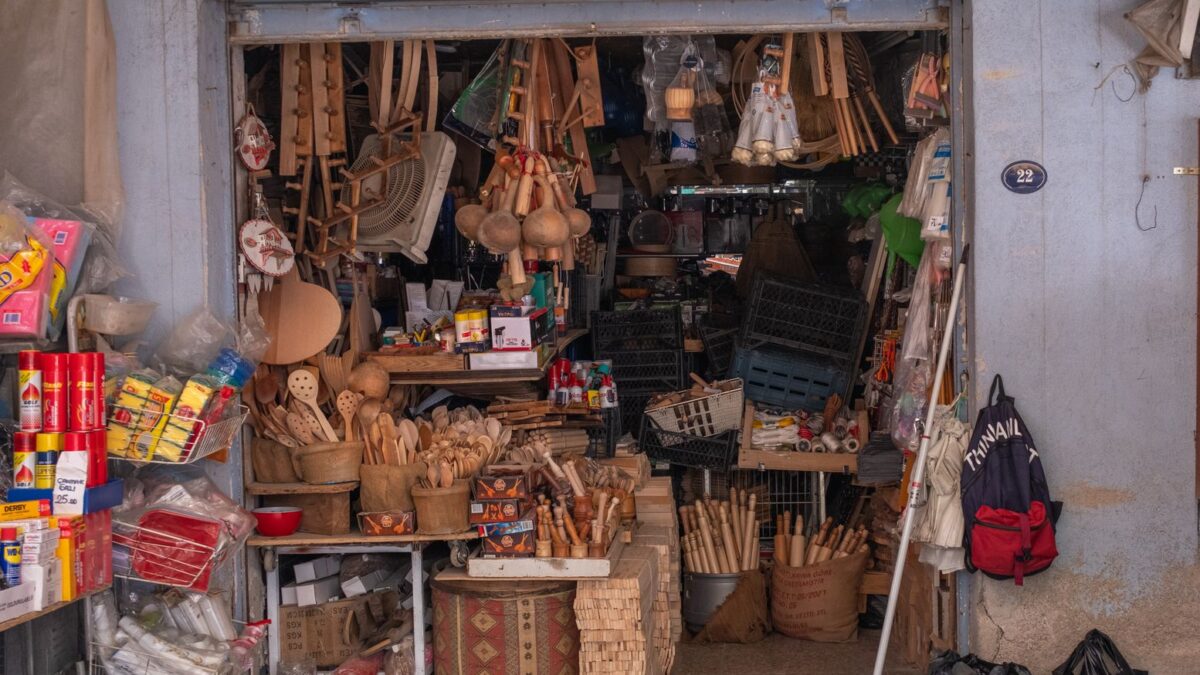
You step off the bus at Damascus Gate and the first thing that hits you is not the heat, but the chill. It is early November in Jerusalem, and the air is a crisp 8 to 16 degrees Celsius. The sky is overcast, the kind of grey that makes the limestone walls glow with a soft, warm light. This is the tail end of the olive harvest; the streets smell faintly of woodsmoke and damp earth. You pull your jacket tighter as you navigate the crowd, heading toward the Mahane Yehuda Market, or ‘the Shuk,’ where the citrus and persimmon season is just beginning. If you are planning a trip here now, you might be wondering about the cost. Israel is often painted as an expensive destination, and while it is certainly pricier than its neighbors, it is manageable if you know where to look. Let’s break down what a realistic budget looks like for this city, right now.
The Entry Price: Visas and Basics
Before you even pack your bags, there is a small but necessary administrative cost. Since January 1, 2025, visa-exempt nationals from the US, UK, EU, Canada, and Australia must obtain an ETA-IL before flying. You can file this through the Population & Immigration Authority website at least 72 hours ahead of time. It costs ₪25 and is valid for two years or until your passport expires. For those who do not qualify for visa exemption, such as travelers from India, China, or Turkey, a B/2 visitor visa is required from an Israeli mission. Once you land at Ben Gurion Airport, expect to show onward tickets, proof of lodging, and perhaps proof of funds. The border officer holds the final say on entry.
This is your baseline. Everything else depends on how you choose to live while you are here. The currency is the new Israeli shekel (ILS), which trades at roughly 3.7 to the US dollar. With inflation sitting at 3.0%, prices have stabilized somewhat, but tourism hubs still carry a premium.
Sleeping in the Stone City
Where you stay defines your budget more than anything else. Jerusalem is hilly, and while the light rail runs along Jaffa Road, staying central means paying for convenience. For the budget traveler, hostels in the Nachlaot district are a great option. These narrow alleys beside the market are filled with students, artists, and young olim. You can find a bed in a dorm for around ₪150–₪200 per night. If you prefer a private room but want to keep costs down, look at guesthouses in the German Colony. The Templer-era stone houses here are charming, and you might find a simple room for ₪400–₪500.
For mid-range travelers, the Rehavia district offers leafy, prestigious garden-suburb vibes. Hotels here are often converted apartments or boutique stays. Expect to pay between ₪800 and ₪1,200 per night for a comfortable double room. If you want comfort without luxury, places like the Hashimi Hotel or Stay Kook Suites offer solid amenities in the heart of the action.
High-end travelers will gravitate toward Talbiya or the Mamilla area. The Mamilla Hotel, for instance, offers grand Mandate-era elegance. Prices here start around ₪1,500 and can easily exceed ₪3,000 per night. Keep in mind that real estate in Rehavia, Talbiya, and the German Colony is among the most expensive in the country, so hotel rates reflect that prestige.
Eating Your Way Through the Shuk
Food is where you can save money or splurge, depending on your appetite for adventure. The Mahane Yehuda Market is the soul of Jerusalem’s food scene. In the morning, it is a chaotic, beautiful sprawl of fresh produce. You can grab a falafel wrap or a fresh juice for ₪30–₪50. As evening falls, the market transforms into a bar and live-music strip. Many of the stalls turn into restaurants. A meal at a place like Ishtabach or Crave Gourmet Street Food might cost you ₪100–₪150 per person for a hearty plate of grilled meats and sides.
If you want a sit-down dinner with wine, head to a restaurant in the German Colony or near Emek Refaim. Places like Deja Bu or Cafe Yehoshua offer excellent cuisine, but you should budget ₪200–₪300 per person, including drinks. For coffee lovers, the specialty coffee scene is thriving. A latte at Coffee Nadi or Roasters רוסטרס מחנה יהודה will set you back about ₪25–₪35.
Budget-conscious travelers can eat well by sticking to the market’s breakfast stalls and pita sandwiches. Mid-range diners can enjoy a mix of market snacks and casual bistro meals. Comfortable travelers will find no shortage of high-end dining experiences, with tasting menus running ₪400+ per person.
Moving Around Without a Car
Jerusalem is not a city for driving if you want to experience it fully. The traffic is heavy, and parking is a nightmare. Instead, rely on the Rav-Kav, Israel’s rechargeable contactless smart card. You tap on and off buses operated by Egged and other carriers, and you use it on the Jerusalem Light Rail. The rail’s central spine runs along Jaffa Road, past the market and the city center. A single ride is approximately ₪6. If you plan to move around a lot, consider a monthly pass, which works out to about ₪250–₪300 for unlimited travel.
There is exciting news for transit users: the Green Line L3 light rail has extended from HaTurim station into the city centre as far as Damascus Gate, adding five stations shared with the Red Line. This boosts frequency on Jaffa Road significantly. Meanwhile, test trains are running on the L4 line between Gonenim and Gilo, with safety fencing being taken down ahead of its public opening. While you may not ride the L4 yet, these developments signal a future of easier movement across the city.
Taxis are available but expensive. A short ride across town might cost ₪50–₪70. Ride-sharing apps work similarly. For budget travelers, walking is free and highly recommended; neighborhoods like Ein Kerem and the German Colony are best explored on foot.
Attractions and Cultural Immersion
Israel offers a wealth of cultural experiences, many of which are affordable. Currently, the 7th Jerusalem Biennale, ‘De Profundis’, is open, closing after 42 exhibitions by over 250 artists across 21 venues. Most of these are free. You can explore the Tower of David Museum, the former National Library on Givat Ram, Hamiffal, Bible Lands Museum, and the Van Leer Institute. This is a fantastic way to immerse yourself in the local arts scene without spending a dime.
If you prefer structured tours, the Mamilla Hotel runs guided Biennale walking tours departing from the lobby for a fee, usually around ₪100–₪150. Other major attractions, like Yad Vashem and the Israel Museum, charge entrance fees ranging from ₪40 to ₪60. The Western Wall tunnels and Hezekiah’s Tunnel are also paid experiences, costing roughly ₪60–₪80.
Don’t miss the seasonal events. The International Oud Festival is returning to small venues around the city, featuring players from Britain, Greece, India, Morocco, and Israel. Tickets are modest, often under ₪100. TEDxJerusalem is also taking over the ICC Jerusalem convention centre, with talks by speakers like Nas Daily and Emily Damari. Check their schedule for ticket prices, which vary by event.
Overall, a budget traveler can manage on ₪300–₪400 per day, focusing on hostels, market food, and free attractions. A mid-range traveler should budget ₪800–₪1,200 per day, allowing for boutique hotels, nice dinners, and paid tours. Comfortable travelers will spend ₪2,000+ per day, enjoying luxury accommodations, fine dining, and private guides. Jerusalem is a city of layers—Ottoman walls, Second Temple remnants, and modern tech hubs—and its cost reflects that complexity. Plan wisely, and you will find it deeply rewarding.
Frequently asked questions
Do I need a visa to visit Israel in 2026?
Since January 1, 2025, visa-exempt nationals (US, UK, EU, Canada, Australia) must obtain an ETA-IL from the PIBA website before flying. It costs ₪25 and allows stays up to 90 days. Nationals from countries like India, China, or Turkey require a B/2 visitor visa.
How much does a daily budget cost in Jerusalem?
Budget travelers can manage on ₪300–₪400 per day using hostels and market food. Mid-range travelers should budget ₪800–₪1,200 for boutique hotels and sit-down meals. Comfortable travelers typically spend ₪2,000+ daily.
Is public transportation easy to use in Jerusalem?
Yes, using the Rav-Kav smart card for buses and the Light Rail is efficient. The Green Line L3 has extended to Damascus Gate, boosting frequency. Single rides are around ₪6, making it a cheap and reliable way to get around.
What are some free activities in Jerusalem right now?
The 7th Jerusalem Biennale, 'De Profundis', is currently open with most exhibitions free across 21 venues, including the Tower of David Museum and Bible Lands Museum. Walking tours of the Old City and exploring markets are also free.
What is the current weather in Jerusalem in November?
In early November, expect temperatures between 8–16°C with overcast skies and cool evenings. It is the tail end of the olive harvest, so bring a jacket for damp nights.
Things to do in Israel
 Best seller! Jerusalem old city four quarters tour
 Likely to sell out
Private Tour Jerusalem Old City
 JERUSALEM private tour with ELAD VAZANA - Life in Israel & Palestine Then & Now
 Walking Tour of Akko (Half-day)
 Special offer
In the Footsteps of Jesus: Nazareth and the Sea of Galilee
 Rappelling Down the Ramon Crater Cliff