

How much does a trip to Argentina cost?
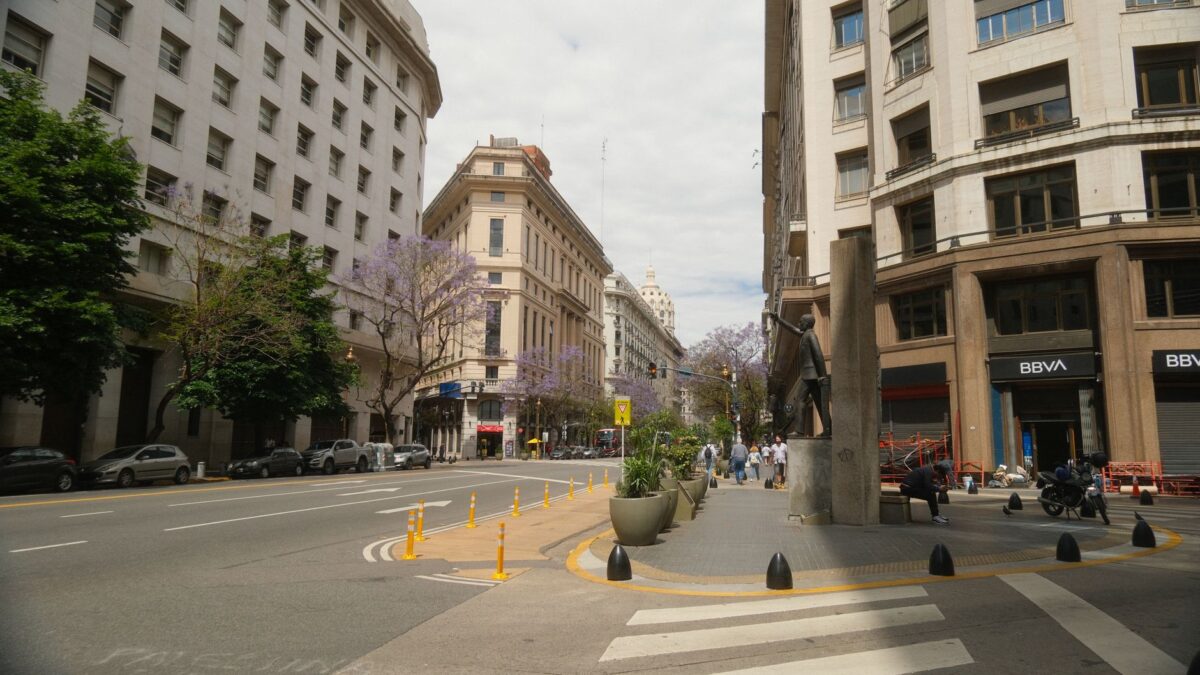
The jacarandás are in full violet bloom along the streets of Buenos Aires, casting a purple shadow over the cobblestones as you step out into the warm late-spring air. It is November, and the city feels alive, buzzing with energy despite the overcast skies that promise cool evenings. You might be wondering how far your dollar will stretch here. For years, Argentina has been a budget traveler’s secret, but with inflation running at nearly 220% and daily costs climbing, the math has changed. As someone who calls this city home, I can tell you that while it is no longer the $10-a-day paradise of ten years ago, it remains remarkably affordable for visitors earning foreign currency. The key is understanding the local rhythm: paying in pesos via the blue market rate (or crypto exchanges like BudaBTC) rather than the official bank rate, and knowing where to spend and where to save.
Accommodation: Finding Your Base
Where you sleep dictates the rest of your budget. In Buenos Aires, rent prices have actually softened slightly in real terms, offering a glimmer of hope for long-term stays, though short-term tourism rates remain firm. If you are looking for a modest one-bedroom flat (dos ambientes) in the Capital Federal, expect to pay around ARS 886,527 per month—roughly $970 USD. A studio (monoambiente) sits closer to ARS 771,871 (about $840). These figures, sourced from local property platforms like Zonaprop, reflect the current housing market and give you a baseline for what locals pay.
For travelers, hotels and hostels vary wildly by neighborhood. In trendy Palermo or the historic San Telmo, mid-range boutique hotels often start around $80–$120 USD per night. If you want something central and reliable, places like Huinid Obelisco Hotel or Tango de Mayo Hotel offer solid comfort without the luxury markup. Budget-conscious travelers often flock to coliving spaces like El Misti Coliving Obelisco, which provides community and convenience near the city’s heart. Remember, prices surge during major events; with Pope Leo XIV’s recent apostolic visit having drawn millions to Palermo and Plaza de Mayo, and Maria Becerra’s concerts filling Movistar Arena, availability tightens and rates spike in those districts.
Eating Out: From Street Food to Fine Dining
Food is where you will feel the pinch most acutely. Everyday essentials and transit costs have climbed faster than general inflation, with subway fares alone jumping over 50% year-to-date. However, eating out remains one of the best values in the world if you know where to look. Skip the tourist traps in front of the Obelisco and venture into the neighborhoods.
A single empanada from a street fair or local stand runs about ARS 3,000 to 5,000 (approx. $4 USD). It is cheap, delicious, and authentic. For a heartier lunch, a choripán—the iconic grilled chorizo sandwich on crusty bread—costs between ARS 10,000 and 15,000 (around $14 USD). This is not just fast food; it is a cultural ritual. If you prefer a sit-down meal, a bowl of locro, the traditional Andean stew, hovers around ARS 12,000 ($13 USD), while a simple hot dog (pancho) is roughly ARS 10,000 ($11 USD).
For dinner, the options are endless. A burger at a popular spot like Puny – Pasta & Grill or Las Cañas might set you back ARS 15,000 to 19,000 ($19 USD). But the real magic happens when you explore the cafe culture. Grab an espresso at Café Tortoni or specialty coffee at CCS Coffee Shop for a fraction of New York prices. Bread and milk are inexpensive staples found in any ferretería or supermarket. The trick is to eat like a local: enjoy a merienda (afternoon tea) with factice bread and dulce de leche, or grab a quick bite at El Preferido de Palermo. Inflation has cooled to about 1.5–2% monthly, but restaurant menus adjust quickly, so always check the current board.
Getting Around: Subtes, Colectivos, and Walking
Buenos Aires is a walker’s city, but when you need public transport, efficiency is key. There is no monthly pass system; instead, you use the SUBE card, a rechargeable smart card required for all transit. A single subway (subte) ride currently costs about ARS 1,817 (approx. $2.0 USD), while a city bus (colectivo) fare starts at ARS 920.48 (around $1.0 USD). These prices are subsidized but rising rapidly.
Navigating the network requires patience. During special events, such as La Noche de los Museos on November 14th, when over 350 museums open for free and subtes run free from 6 PM, the cars become packed. Expect long queues at major hubs like the Teatro Colón or Planetario. On regular days, traffic congestion is severe, especially near venues like Espacio Callejón in Abasto during the Festival Callejón, or around Villa Crespo during concert nights. Taxis and ride-shares are available but significantly more expensive; a base fare is hard to pin down due to dynamic pricing, so budgeting ARS 5,000–10,000 for short rides is wise. Walking through the jacaranda-lined streets of Recoleta or along the Rio de la Plata is free and often the most scenic way to see the city.
Attractions and Daily Totals
Many of Argentina’s greatest treasures are free or very low-cost. Visit the National Museum of Fine Arts, stroll past the architectural marvel of Palacio Barolo, or explore the stunning collections at the Museo de Arte Latinoamericano de Buenos Aires (MALBA). Natural history buffs can wander the Bernardino Rivadavia Museum of Natural Science. During La Noche de los Museos, the entire city opens its doors, including free eBus loops and Ecobici trips, making it an unparalleled opportunity to see the city without spending a peso on entry fees.
So, what does a day cost? Here is a realistic breakdown based on current averages:
- Budget Traveler: Stay in a hostel dorm, eat empanadas and street food, use the SUBE card, and enjoy free museum nights. Total: ~ARS 25,000–35,000 per day (approx. $27–$38 USD).
- Mid-Range Traveler: Private room in a boutique hotel, mix of street food and casual dining at places like Sale e Pepe, occasional taxi rides, and paid entries to select sites. Total: ~ARS 60,000–80,000 per day (approx. $65–$87 USD).
- Comfortable Traveler: Upscale hotel like Hotel U.O.M., fine dining experiences, private transfers, and guided tours. Total: ~ARS 120,000+ per day (approx. $130+ USD).
Argentina is changing, but it remains a land of vibrant culture, incredible food, and welcoming people. By planning ahead, using local payment methods, and embracing the neighborhood vibe, you can experience the true soul of Buenos Aires without breaking the bank. Enjoy the cherries and strawberries appearing at the ferias, breathe in the violet blooms, and let the city surprise you.
Frequently asked questions
Is Argentina still cheap for tourists in 2026?
Yes, for visitors earning foreign currency, Argentina remains affordable. While local inflation is high (around 220%), exchange rates favor tourists. However, everyday costs like transit and food have risen sharply, so it is no longer a ultra-budget destination.
How much does a subway ticket cost in Buenos Aires?
A single subway (subte) ride using a registered SUBE card costs approximately ARS 1,817 (about $2.0 USD). Bus fares are lower, starting around ARS 920 (about $1.0 USD).
What are typical prices for street food in Buenos Aires?
Street food offers great value. An empanada costs ARS 3,000–5,000 ($4 USD), a choripán is ARS 10,000–15,000 ($14 USD), and a hot dog (pancho) is around ARS 10,000 ($11 USD).
Are there free activities in Buenos Aires right now?
Yes. Events like La Noche de los Museos (Nov 14) offer free entry to 350+ museums and free public transport. Many parks, beaches, and street festivals like Festival Callejón are also free to attend.
How much should I budget for a hotel room per night?
Prices vary by district. Modest monthly rents suggest nightly equivalents of $80–$120 USD for mid-range hotels in areas like Palermo or San Telmo. Luxury options in central locations like the Obelisco area command higher rates.
Things to do in Argentina
 Empanada Cooking Class in Buenos Aires
 Buenos Aires: 7-Course Argentine Asado & Live Music
 Trekking day in the mountains close to Bariloche
 Horseback riding and barbecue in a private ranch - La Carrera, Mendoza
 Buenos Aires Like a Local: Private City Tour in Premium Car
 Sailing with Wine Tasting in Buenos Aires