

New Zealand in November 2026: what travelers should know now
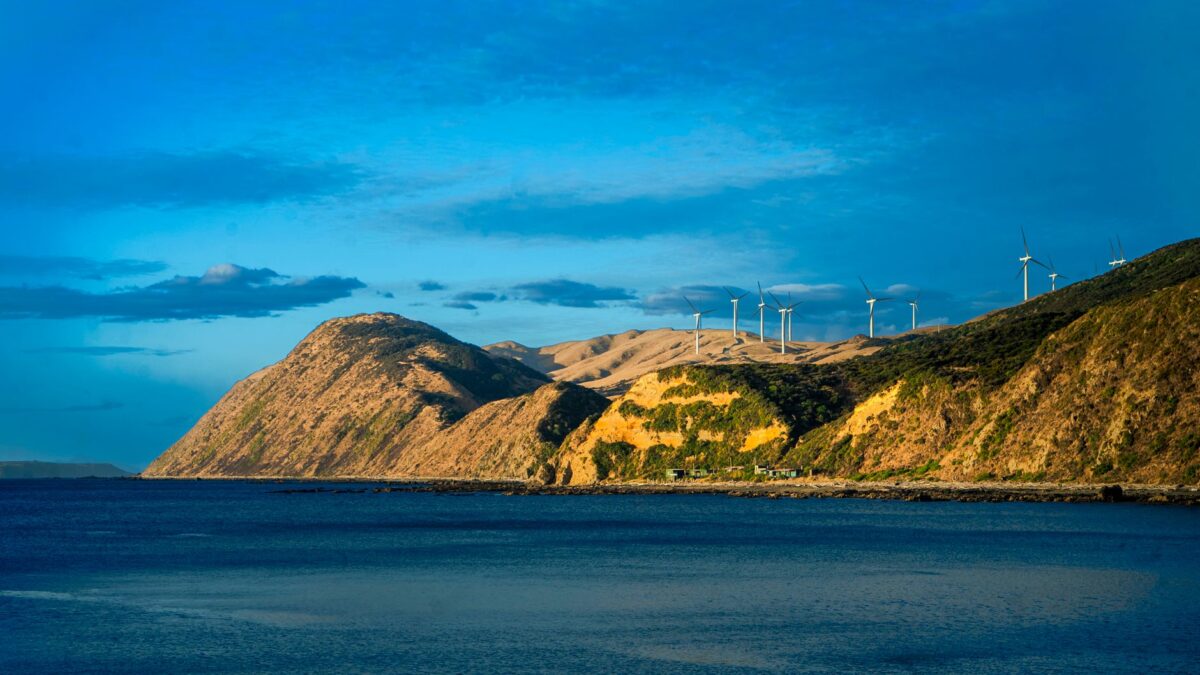
The nor’wester is howling through the Lambton Quay thoroughfares again, rattling the windows of my apartment as I watch the grey clouds swirl over Cook Strait. It is mid-November in Wellington, and the city feels like it is holding its breath between the end of the academic year and the start of the holiday rush. The jacarandas are just beginning to show their first purple blush on the university streets, and the air has that distinct, electric sharpness that only happens when summer is finally close enough to taste but hasn’t quite arrived. If you are landing here this month, you are stepping into a city that is buzzing with local energy, grappling with major infrastructure shifts, and preparing for a season of long, bright evenings.
Weather and Packing: Layer Up Against the Wind
As of today, November 14, 2026, the verified weather here is sitting at a mild 14–18°C, though that number doesn’t tell the whole story. The wind is currently gusting at 32 km/h, and the sky is heavily overcast. This is classic late spring Wellington: unpredictable, brisk, and often dramatic. You will likely experience rapid shifts from bright sunshine to heavy rain within hours. The daylight hours are generous, with light from roughly 05:53 until 20:17, giving you plenty of time to explore if you dress for the elements.
Packing advice for this specific window is simple but critical. Leave the heavy winter coats at home; you will overheat. Instead, bring a waterproof windbreaker or a solid shell jacket—the famous Wellington wind can cut right through thin layers. A warm fleece or merino wool sweater is essential for the mornings and evenings. Since we are in late spring, you might catch the very first pōhutukawa trees blooming with red flowers along the harbour, but don’t expect full beach weather yet. Comfortable walking shoes that can handle wet pavement are non-negotiable, especially if you plan to tackle the hills around Kelburn or Thorndon.
Holidays, Events, and What’s Open Now
There are no public holidays in Wellington this week, which means the city is operating at full tilt. However, the calendar ahead brings two regional anniversary days that locals take seriously. On November 30, both the Chatham Islands and Westland regions celebrate their Anniversary Days. While these don’t shut down Wellington specifically, they signal the approach of the holiday season, and you’ll notice more domestic travelers starting to move around the North Island.
If you are here for culture, November is a surprising gem. Tonight, November 14, inner-city Wellington transforms for VerbCrawl, a one-night literary event taking over bars, fabric shops, galleries, and churches. There are 25 events scheduled between 6pm and 9.15pm, with tickets costing about $10 per event. It is a fantastic way to see the hidden corners of the city without the usual tourist crowds. Also, keep an eye on the Michael Fowler Centre. The Flight of the Conchords are playing their New Zealand tour shows from November 14–16, and they are largely sold out. If you missed the ticket drop, check for any last-minute returns, but expect high demand.
A major landmark update: The Wellington Town Hall’s 13-year, $320 million earthquake rebuild was officially blessed at dawn on November 7. The scaffolding and hoardings on Wakefield Street are finally coming down, revealing the restored facade. However, do not plan to visit inside yet; the public reopening concert is not scheduled until February 20, 2027. For now, it is best admired from the outside.
Local Headlines and Practical Realities
Travelers should be aware of some ongoing local issues that affect daily life right now. First, there is a significant infrastructure matter regarding sewage. The Moa Point wastewater treatment plant is being recommissioned following catastrophic flood damage earlier in the year. As of today, central and southern Wellington sewage is progressively returning to treatment, but residents and visitors have been warned to expect occasional smells from the plant area. It is not a health hazard, but it is a sensory reality for parts of the southern suburbs.
In the political sphere, Wellington is the seat of Parliament, and 2026 is a general election year. You will see visible campaign activity on Lambton Quay and throughout the Thorndon precinct. Additionally, there is a heated debate locally regarding a council proposal to switch the rating system from capital value to land value. Over 100 local businesses have warned they may have to close under this change, and nine councillors are under scrutiny for donations related to the push. While this won’t directly impact your stay, it adds a layer of tension to the local business community, particularly in districts like Te Aro and Newtown.
Costs and Costs of Living Right Now
Wellington remains expensive, though rents have eased slightly from their 2024 peaks. If you are looking at longer-term stays, a modest one-bedroom flat in an inner suburb like Newtown or Mount Cook costs around NZ$1,820 per month (median weekly rent is about NZ$420). For short-term visitors, expect to pay approximately NZ$200–250 per night for a mid-range hotel or guesthouse.
Dining and transit costs are the main drains on your budget. A meal at an inexpensive café or takeaway runs about NZ$25, while a three-course dinner for two at a mid-range restaurant is roughly NZ$115. Coffee is pricey but ubiquitous—a flat white or cappuccino will set you back NZ$5.50–6.00. If you prefer pub food, a pint of local draft beer averages NZ$13. Food staples like milk are around NZ$3.36 per litre, and a takeaway scoop of fish and chips is NZ$15–18.
Transportation via Metlink has seen fare increases recently. As of May 2026, fares rose by 3.1%, and the off-peak discount was reduced to 20%. A single zone adult Snapper card fare is NZ$2.12 during peak hours and NZ$1.70 off-peak. Cash is being phased out, so tap-on/tap-off with a contactless card or phone is the standard. A 30-day transit pass ranges from NZ$63.60 for one zone to NZ$140.10 for three zones. Note that the harbour ferry takes EFTPOS or card only, not Snapper or cash.
Arrival Tips for November 2026
If you are arriving this month, prioritize getting your SIM card and banking sorted immediately. Banks like ANZ and ASB allow you to start applications from overseas up to 90 days before arrival, but you must activate your account in branch with your passport and visa. Bring proof of address, as hostels generally do not count. Without an IRD number, employers must withhold tax at a steep 45% rate, so apply for yours via Inland Revenue as soon as you land—it usually arrives within two working days.
Visa-waiver visitors from the US, UK, EU, Canada, and Japan need an NZeTA (NZD $23 online or $17 via app) plus the NZD $100 International Visitor Conservation and Tourism Levy, totaling roughly NZD $117–123. Australians need neither. Strict biosecurity screening is in effect, so declare all food and outdoor gear.
Safety-wise, Wellington is low-crime, but use ordinary caution on the Courtenay Place nightlife strip late at night. Your real hazards are the wind, strong UV rays even on cloudy days, and earthquakes. Familiarize yourself with the “drop, cover, hold” protocol and keep a torch and water in your accommodation. Enjoy the long evenings, grab a meat pie from a dairy (about NZ$6–8), and soak in the unique energy of a capital city waking up for summer.
Frequently asked questions
What is the weather like in Wellington in November 2026?
Expect mild temperatures of 14–18°C with frequent wind gusts around 32 km/h and overcast skies. Pack waterproof layers and windbreakers as the weather shifts rapidly.
Are there any special events in Wellington this week?
Yes, VerbCrawl takes over inner-city venues on November 14 with 25 literary events. Also, the Flight of the Conchords are performing at the Michael Fowler Centre from Nov 14–16, though shows are largely sold out.
Is the Wellington Town Hall open to the public now?
No. Although the $320m earthquake rebuild was blessed on November 7 and scaffolding is being removed, the building will not reopen to the public until the opening concert on February 20, 2027.
How much does a coffee or beer cost in Wellington right now?
A flat white or cappuccino costs approximately NZ$5.50–6.00, and a pint of local draft beer in a pub averages around NZ$13.
Do I need to worry about sewage smells in Wellington?
The Moa Point wastewater plant is being recommissioned after flood damage. Residents and visitors in central and southern areas should expect occasional smells from the plant as operations resume.


