
How much does a trip to Austria cost?
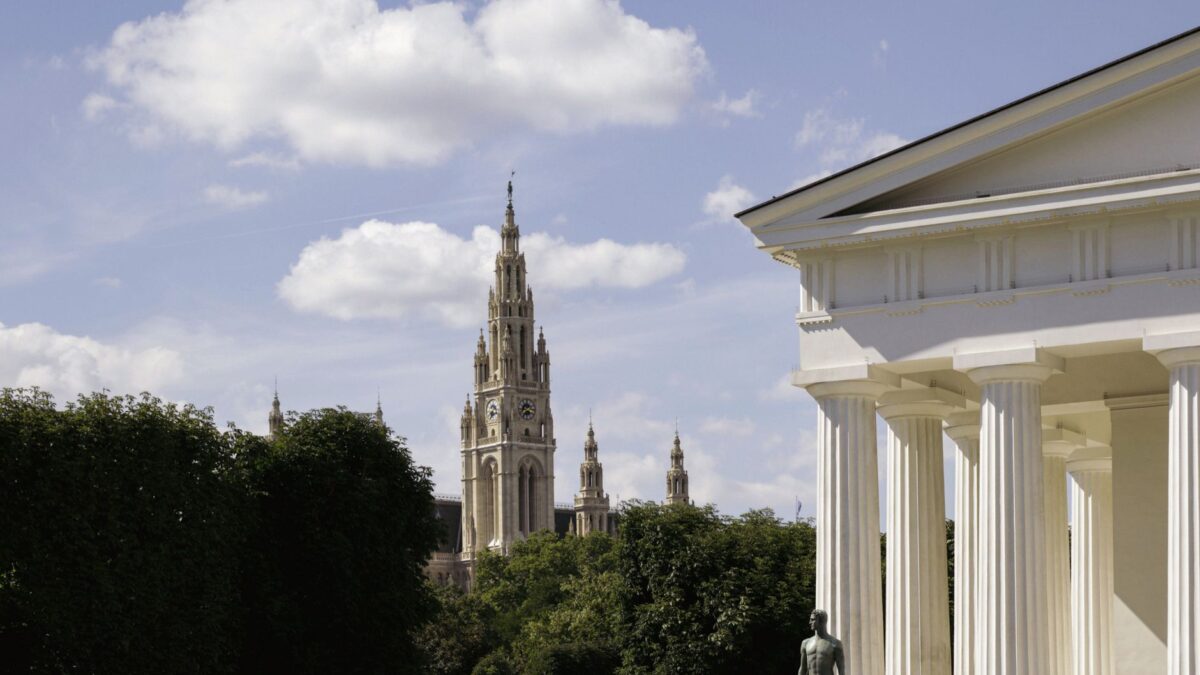
The first thing you notice is the light. At the end of July, Vienna’s sky is a pale, almost watery blue, and the air hangs thick with the promise of a late-afternoon shower. You’re standing at the top of the steps outside the Kunsthistorisches Museum, watching a tram rumble past the Ringstrasse, and you think: I could get used to this. Then you check your wallet, because you’re not here to just admire the architecture — you’re here to figure out what a trip to Austria actually costs in the summer of 2026.
I’ve lived here long enough to know that Vienna rewards the prepared. It’s not a cheap city, but it’s not a heart-stopping one either, especially if you plan around the little quirks — like the fact that the U4 just reopened on 3 August after a month of track work, and the U3 is still split between Hütteldorfer Straße and Westbahnhof until the end of August. But let’s start with the numbers that matter.
Getting around: transit and transport costs
Vienna’s public transport is one of the city’s quiet miracles — a single network of U-Bahn, trams (the beloved “Bim”), and buses that runs on one ticket. But 2026 brought a shock: on 1 January, fares rose for the first time in 13 years. A single metro/bus/tram ride now sets you back €3.20 (or €3.00 if you buy it in the WienMobil app). The annual pass shot from €365 to €467, which still works out to about €1.28 a day — a steal if you’re staying long-term. For visitors, the 24/48/72-hour tickets are your friends. A 72-hour pass costs about €17.10, and it covers everything you need to bounce from Schönbrunn Palace to the Prater without thinking twice.
If you’re coming from the airport, the CAT (City Airport Train) from Wien Mitte station in the 3rd district takes you to the airport in 16 minutes, but it’s not cheap — figure around €12 one-way. The regional train (S7) does the same trip for about half that, just slower. And with the S-Bahn closures starting 10 August on the northern branches (towards Jedlersdorf and Gerasdorf), always check the Wiener Linien app before heading out. Replacement buses are frequent, but they’ll test your patience.
Where to sleep: accommodation costs by style
Vienna’s accommodation market is as layered as its coffee culture. If you’re on a tight budget, you’re looking at hostels or no-frills guesthouses in the outer districts — think around €40–60 per night for a dorm bed or a simple single. The Austria Classic Hotel Wien in the 15th district is a decent mid-range option, often under €100 a night if you book ahead. But for the full Viennese experience, you want a bit more character.
Mid-range hotels in the center — say, the Hampton by Hilton Vienna City West or a cozy bed-and-breakfast in the 7th district’s Neubau — typically run €120–160 per night in high summer. For a splash, the Hoxton, Vienna or The Guesthouse Vienna (right opposite the Staatsoper) will set you back €200–350 a night — worth it for the location and the ceiling moldings. If you’re staying a week or more, consider renting a flat. A modest one-bedroom in the outer districts goes for €750–950 a month; inside the Ringstrasse, you’re looking at €1,000–1,200. That’s what the locals complain about, and they’re right to.
Eating and drinking: from beisl to schnitzel
You cannot leave Vienna without a Wiener Schnitzel — and yes, it’s going to cost you. At a proper sit-down restaurant like Figlmüller – Restaurant Bäckerstraße (a tourist institution in the 1st district) or Reinthaler’s Beisl (a real locals’ spot), a schnitzel with potato salad runs €19–28. That’s the gold standard, and honestly, it’s worth it — the veal or pork is pounded thin, fried in clarified butter, and the potato salad is a vinegary, oniony revelation.
For lunch, you can do better. Every weekday, Viennese taverns (Beisln) serve a Mittagsmenü — a soup or salad and a main for €10–15. You’ll find these on nearly every corner in the 6th and 7th districts; try the Dom Schnitzel or Schnitzel One for a fast, greasy, glorious cutlet. A Tafelspitz (boiled beef with horseradish-apple sauce) is another must — usually €15–25. And don’t skip dessert: an Apfelstrudel at a café will run you about €9, paired with a Melange (Vienna’s answer to the cappuccino) for another €4–5.
For coffee, skip the tourist traps around Stephansplatz and walk to Balthasar Coffee Bar on the corner of the 7th’s Neubaugasse, or The Good Coffee Society near the Naschmarkt. A flat white there is about €4.50, and the pastries are borderline religious.
Sights and culture: the real costs of Vienna’s treasures
Vienna’s biggest hits aren’t cheap, but they’re not outrageous either. Schönbrunn Palace is the must-see: the Imperial Tour (40 rooms) costs about €22, and the Grand Tour (more than 100 rooms) runs around €26. The gardens are free, and you can walk up to the Gloriette for a view that’s worth every step. The Belvedere Palace is another essential — home to Gustav Klimt’s “The Kiss” — and admission is €18–22 depending on the exhibition. The Hofburg (Sisi Museum plus imperial apartments) is around €16.
If you’re on a budget, the Naschmarkt costs nothing to wander — just don’t buy the overpriced olives — and the Saturday flea market is a glorious time sink. The Prater park is free to enter; a ride on the 1897 Riesenrad is about €12. And right now, in early August, you’ve landed in Vienna during ImPulsTanz, Europe’s largest contemporary dance festival, which is in its final week — some street performances and parties are free, including the closing nights in the City Hall Arkadenhof on 7–8 August. Also, the Lichterlfest at the Alte Donau on 1 August (you just missed it, but there’s always next year) is a free, lantern-lit lakeside evening.
Daily budgets: what you’ll actually spend
Let’s put it together in euros, because that’s what you’ll hand over.
- Budget travel: Hostel bed (€50), lunch at a beisl (€12), a street-stall dinner (€10), a 24-hour transit pass (€8.60), and one free museum or park day — around €80–90 per day.
- Mid-range travel: A lovely hotel (€130), a sit-down schnitzel dinner (€24), a café breakfast (€10), a 72-hour transit pass (€17.10 over three days — say €6/day), and one major attraction (€22) — around €180–200 per day.
- Comfortable travel: The Hoxton (€280), dinner at a top bistro like Restaurant Vienne/OnurChefs (€40 with wine), a taxi or Uber for getting around (€15), and a wrap-around tour of Schönbrunn and the Kunsthistorisches Museum (€50) — you’re looking at €350–450 per day.
These are rough, but they’re honest. If you’re watching your wallet, Vienna can be less punishing than Paris or Zurich, but it’s not a bargain-basement destination — the transit fare hike is a sign that the city is rebalancing its costs.
Practical notes for the thinking traveller
Before you go, remember: Austria is in the Schengen zone, so US, UK, Canadian, and Australian citizens can visit visa-free for up to 90 days in any 180-day period. If you’re just passing through, you don’t need to deal with the Meldezettel (residence registration) — that’s for new residents, who must file within 3 days of moving in at any Wiener Meldeservice office, free of charge, with their passport and landlord’s signature. For mobile data, grab a prepaid SIM at HoT (the budget arm of A1) — just your passport and about €10 for a month of data. And for banking, if you need a local account, Erste Bank’s English-language “George” app is the popular choice, though fintechs like N26 and Revolut work fine for travellers.
One last thing: the weather in Vienna right now is 23–31°C with rain showers — bring a light jacket, and enjoy the fact that the locals have all fled to the countryside, so the tram is emptier and the Heurigen evenings in Grinzing (19th district) are more chilled than usual. Vienna is expensive, yes — but it’s also a city that gives you its wealth in the way of light, history, and the smell of fresh bread at a morning market — and honestly, that’s priceless.
Frequently asked questions
How much does a Vienna trip cost per day in 2026?
Budget travellers can get by on about €80–90 per day (hostel, beisl lunch, street food, transit). Mid-range is around €180–200 per day (mid hotel, sit-down dinner, one attraction). Comfortable travel runs €350–450 daily with a boutique hotel and fine dining.
Is Vienna expensive compared to other European capitals?
It's moderate. A Wiener Schnitzel main costs €19–28, a transit single ride is €3.20, and a hostel bed is about €50. Similar to Munich or Paris but cheaper than Zurich and less touristy than Venice.
What is the best way to use public transport in Vienna as a tourist?
Buy a 24/48/72-hour ticket from Wiener Linien machines or the WienMobil app. A 72-hour pass costs about €17.10. Single rides are €3.20 on paper (€3.00 in app). Avoid the expensive CAT airport train; take the S7 regional instead.
Are there free things to do in Vienna?
Yes — wander the Naschmarkt, stroll the Prater park, hike up the Kahlenberg for views, and visit the City Hall Arkadenhof for festival events like ImPulsTanz (free street performances). The Belvedere Palace gardens are also free to explore, though the Klimt paintings cost admission.
How much does a Wiener Schnitzel cost in a restaurant?
At a proper sit-down restaurant like Figlmüller or Reinthaler’s Beisl, expect €19–28 for a schnitzel with potato salad. For lunch, you can find a beisl midday menu (soup or salad + main) for €10–15.


