

Moving to New Zealand: visas, banking and SIM cards
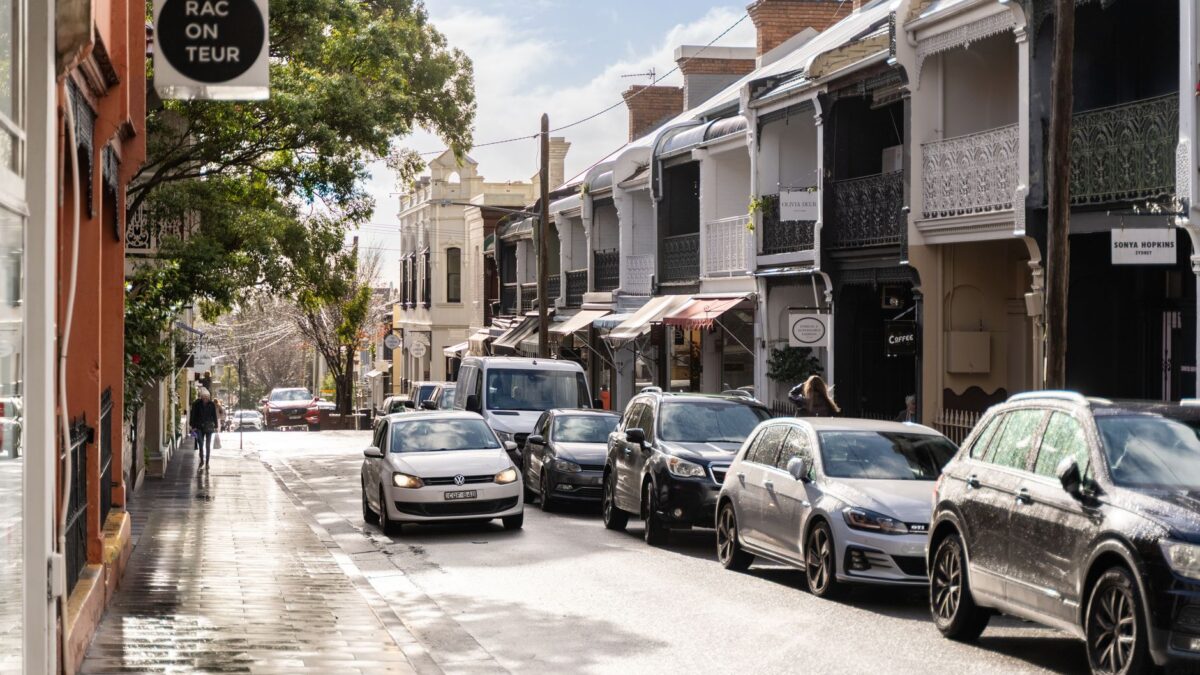
The wind hits you the moment you step out of Wellington Airport — a proper southerly, straight off Cook Strait, carrying drizzle that feels more like needles than rain. It’s mid-August, and the city is hunkered down: grey skies, 8°C that feels like 2°C, and everyone talking about that snow snap from last week. But inside, it’s buzzing. The Visa Wellington On a Plate food festival has taken over every restaurant from Cuba Street to Miramar, and the NZIFF film festival is screening debut features at the Embassy Theatre. This is Wellington in winter — and if you’re moving here for longer than a holiday, you’ll want to get your practicalities sorted fast so you can join the queue for a burger and a movie.
First, sort your visa and IRD number
If you’re arriving on a visa-waiver passport — say, from the US or UK — you can enter for under three months with an NZeTA (New Zealand Electronic Travel Authority), which you apply for online at least 72 hours before flying. But for a longer stay, you’ll need a Visitor Visa – General from Immigration New Zealand, or a work or resident visa depending on your plans. Don’t wing it — the rules change, and the last thing you want is a surprise at the border.
Once you’re in and have a place to stay, your first official task is getting an IRD number from Inland Revenue (ird.govt.nz). You need this to work, pay tax, and — crucially — to open a bank account. The application is online and straightforward, but you’ll need a New Zealand address. If you’re staying in a short-term rental in Te Aro or Thorndon while you find something permanent, use that. You’ll also want to create a RealMe verified identity — it’s the login you’ll use for government services, NZ Post, and some online applications. Think of it as your digital key to the country.
Banking: open before you land, or within a week
The big banks here are ANZ, ASB, BNZ, Westpac, and Kiwibank. Most let you start the application online before you arrive — you just need your passport and proof of a New Zealand address once you’re on the ground. Pop into a branch in person to finish up; it’s smoother than you’d think. For example, there’s an ANZ at Willis Street or on North Lambton Quay, and a BNZ right there too. The old Bank Arcade building on Lambton Quay is worth a look — it’s now a shopping and dining spot, but it gives you a sense of the city’s financial heart.
You’ll be dealing in New Zealand dollars (NZD), which sit at around 1.65 per US dollar (as of 2024) — so if you’re coming from the US, your money goes a bit further, especially with inflation at 2.8%. Just remember: bank cards are the norm here, and contactless payments are everywhere. You’ll want to set up internet banking and download your bank’s app, because that’s how you’ll pay rent, split bills, and buy your flat white.
Getting a local SIM: three networks, many options
Three networks run the country: Spark, One NZ (formerly Vodafone), and 2degrees, with Skinny as Spark’s cheap online-only sub-brand. For a longer stay, a prepaid SIM is the best start — you can buy one at carrier stores, supermarkets like Countdown or New World, or The Warehouse. Or, if you want to hit the ground connected, buy an eSIM before you arrive and activate it once you land. That’s what I’d do — you’ll need data for maps, checking bus times, and messaging home.
In Wellington, the transit system runs on the Snapper card — you tap it on Metlink buses and even the Cable Car. The city is compact and walkable, though, so you might not need it daily. If you’re staying in central Te Aro or Mount Victoria, you can walk everywhere. For the airport, the Airport Flyer bus gets you to the city centre cheaply and easily.
Where to live: choose your vibe
Wellington is a city of distinct neighbourhoods, and your choice affects everything from your commute to your coffee shop loyalty. If you want the beating heart of the action, Te Aro is it — Cuba Street’s independent cafes, record stores, nightlife, and the iconic Bucket Fountain. It’s flat, dense, and walkable, but it can be noisy, especially on Courtenay Place’s late-night strip come Thursday to Saturday. For a quieter, leafier option, Mount Victoria offers historic wooden villas above Oriental Bay, with climbing tracks to the 360-degree lookout. Oriental Bay is the city’s primary swimming beach — yes, people swim there in summer — with the Carter Fountain and Freyberg Pool, and Edwardian villas clinging to the cliff.
For a village feel with a creative edge, Miramar is where Peter Jackson and Wētā Workshop live and work — visit the Roxy Cinema and the Wētā Cave tour. Newtown is quintessentially Wellington: diverse, walkable, with great coffee at Baobab or Black, a weekend market, and a tool library (yes, really). And Thorndon, the city’s oldest suburb, sits on the fault line with Victorian houses, Parliament, and Tinakori Village shops — a steep walk to the Botanic Garden.
Register, then explore: the first-week checklist
Once you have your IRD number and bank account, you’re officially on the grid. But to truly settle in, you need to get to know this place. Start with the free national museum, Te Papa Tongarewa — it’s earthquake-proof on base isolators, and houses the colossal squid and the Wētā-made Gallipoli exhibit. Take the Cable Car from Lambton Quay to Kelburn, then walk through the Botanic Garden and visit the free Cable Car Museum and Space Place. On a clear day, hike up to the Mount Victoria Lookout for a 360-degree view over the harbour and, on a good day, the South Island’s Kaikōura Ranges. For a dose of native wildlife, head to Zealandia — a 225-hectare fenced ecosanctuary in the Karori valley where you’ll spot tuatara, kākā, saddleback, and little spotted kiwi. Take a night tour if you can.
Wellington is a safe, walkable city by international standards — the main caveats are the wind (they call it Windy Welly for a reason) and the occasional late-night drunks on Courtenay Place. But the cultural life is extraordinary. The film industry — Wellywood — has put the city on the map, and the World of WearableArt (WOW) festival runs each September and October. And with Beervana, New Zealand’s biggest craft beer festival, happening at Hnry Stadium on 21–22 August, you’ll have plenty of chances to meet locals over a pint. This August, though, the queues are for Burger Wellington and film screenings — so get your bank card and SIM sorted, then join the fun.
Frequently asked questions
Do I need a visa to move to New Zealand from the US or UK?
For stays under three months, you can enter on the NZeTA (New Zealand Electronic Travel Authority), applied for online at least 72 hours before travel. For longer stays, you'll need a Visitor Visa – General from Immigration New Zealand, or a work/resident visa.
How do I get an IRD number in New Zealand?
Apply online at ird.govt.nz. You'll need a New Zealand address and a valid passport. The IRD number is required to work, pay tax, and open a bank account.
Which banks in Wellington are best for newcomers?
The main banks are ANZ, ASB, BNZ, Westpac, and Kiwibank. Most let you start the application online before you arrive, then finish in-branch with your passport and proof of NZ address. For example, there are ANZ branches on Willis Street and North Lambton Quay.
What's the best SIM card option for a long stay?
Prepaid SIMs from Spark, One NZ, or 2degrees are sold at carrier stores, supermarkets, and The Warehouse. Skinny is a cheap online-only option. You can also buy an eSIM before you arrive and activate it once landed.
How do I get around Wellington without a car?
The city is compact and walkable. For buses, get a Snapper card — tap on Metlink buses and the Cable Car. The Airport Flyer bus links WLG to the city centre. Mount Victoria and Te Aro are great walkable bases.
Things to do in New Zealand
 Scenic Cruise & Guided Walk on Historic Motor Yacht Lake Te Anau
 Wildwire Wanaka- Level 1 (2 Hours)
 Guided Private Milford Sound Day Tour from Te Anau(Cruise Included)
 'Express' Wine Tour & Māori Culture Wānaka
 Tongariro Thrills: Grade 3 Whitewater Rafting Adventure
 Half Day, Grade 5, White Water Rafting on the Rangitikei River