
Austria etiquette: the dos and don’ts
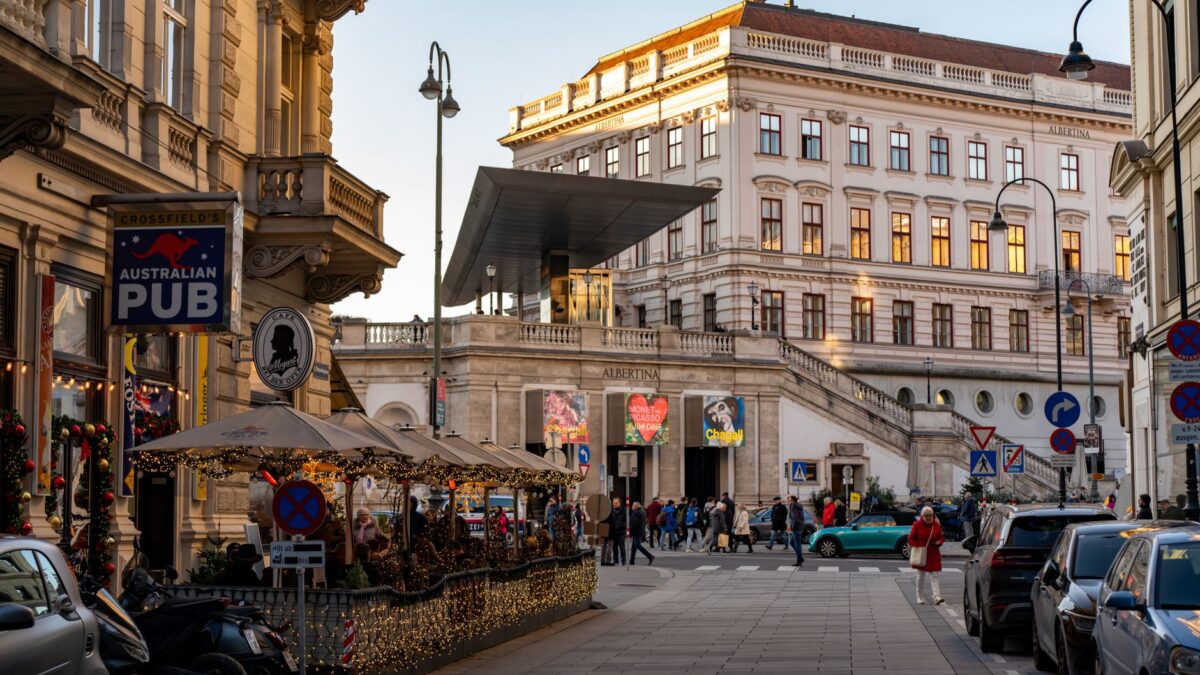
The last weekend of August in Vienna is a strange, wonderful in-between time. The summer heat has softened, but the city still hums with holiday energy. If you step into Neustift am Walde this weekend, you’ll find the streets jammed with wine-growers and locals for the Neustifter Kirtag — a folk festival where the Hauerkrone (a giant harvest crown) is paraded through town and Heurigen stalls spill wine and young Sturm onto the pavement. It’s festive, crowded, and a perfect place to watch how Viennese manners actually work. The key isn’t formality — it’s a certain quiet, respectful attentiveness. I’ve lived here long enough to know the unwritten rules. Let me walk you through them.
Greetings: the art of the Grüss Gott
Forget “Hallo” when you enter a shop, a café, or a doctor’s waiting room. The proper Viennese greeting is a firm “Grüss Gott” — literally “God greet you,” though no one thinks about the theology. It’s the polite, universal “hello” that signals you’re not a tourist expecting everyone to speak English first. In more casual or younger settings, a simple “Hallo” or “Servus” works fine. And if someone greets you first, always reply — silence is considered rude.
Handshakes matter. When introduced, give a firm, brief handshake, make eye contact, and say your name. Cheek kissing is reserved for close friends and family, not for first meetings. Wait to be offered the “du” (informal you) before switching from “Sie” (formal you). Even in 2026, Viennese people appreciate the old forms. If you’re unsure, err on the side of “Sie” — it’s almost never wrong.
Tipping: round up, don’t calculate
Tipping in Vienna is not like the US. It’s also not like Japan. It’s a friendly “rounding up” that shows you appreciated the service. In a restaurant, you don’t leave cash on the table (unless you really want to). Instead, when the waiter brings the card reader or the bill, you say the total you want to pay. If the meal is €18.50, say “Zwanzig” and they’ll charge you €20. That €1.50 is your tip. For good service, 5–10% is generous; 10% is seen as very appreciative. No one will chase you for more.
In a café like the famous Café Landtmann, where your Apfelstrudel costs around €9, a round-up to €10 is a lovely gesture. For the taxi driver, round up to the nearest euro. For the hotel porter, €1–2 per bag is fine. At the Naschmarkt or the Karmelitermarkt, no one expects a tip — just be polite. The one place where tipping is not customary is at the counter. If you order standing at a Balthasar Coffee Bar, just pay the listed price.
Dining manners: say “Mahlzeit” and mind the bread
If you’re invited to a Viennese home, bring a small gift — flowers (odd numbers, no red roses unless romantic) or a bottle of wine from a Heurigen. When you sit down, wait for the host to say “Guten Appetit” before you start. And if you’re in a work or casual lunch setting around noon, you’ll hear people say “Mahlzeit” — a short, genial “enjoy your meal” that also serves as a greeting in hallways around lunchtime. Say it back.
The bread basket has a ritual: you’re expected to break the bread with your hands, not cut it with a knife. Same goes for the rolls. And when you’re done, place your knife and fork parallel on the plate, handles at four o’clock. That signals you’re finished. If you’re still working, cross them. It’s a small thing, but Viennese waiters notice.
Now, the schnitzel question. A proper Wiener Schnitzel (veal, or pork for the budget-friendly version) is served with potato salad or potatoes. It is never drowned in sauce. At Figlmüller – Restaurant Bäckerstraße, you’ll pay around €19–28 for the classic. At a weekday lunch in a beisl (a traditional tavern like Reinthaler’s Beisl), you can get a filling meal for about €10–15. When you eat it, use a fork and knife — no fingers, ever. And don’t ask for ketchup. Just don’t.
Dress: smart-casual is the default
Vienna is not a beach town. Even in late August, with rain showers forecast (19–28°C this weekend), you should dress in layers. A light jacket or a cardigan over a shirt or blouse works. For men, jeans and a clean shirt are fine for daytime. For women, a casual dress or nice trousers are perfect. Avoid wearing athletic clothes outside the gym — Viennese people rarely wear tracksuits on the street unless they’re jogging in the Prater. At the opera or a formal ball (winter), dress up — but that’s a whole other article.
At the Heurigen wine taverns in Grinzing or Neustift, the vibe is rustic but neat. You’ll see locals in dirndls and lederhosen — but only at festivals or Heurigen, and often as a fashion choice, not a costume. If you want to wear one, go ahead, but buy a quality piece and wear it respectfully. No plastic accessories.
When you visit St. Stephen’s Cathedral or the Hofburg, cover your shoulders and knees if you go inside. It’s a place of worship, and the guards are polite but firm.
Small customs that matter: the “Bim” and the “Meldezettel”
Vienna’s public transport (the Wiener Linien U-Bahn, trams, and buses) is a point of civic pride. You must validate your ticket before boarding — even if the gates are open. A single fare is €3.20 (or €3.00 in the WienMobil app), and a 72-hour ticket is the best value for tourists. On buses and trams, you enter at the front and exit in the middle or back. If you see an elderly person standing, offer your seat — it’s expected. And on escalators, stand right, walk left. That rule is sacred.
If you’re staying longer, remember that Austria has a residency registration (Meldegesetz) requirement: within 3 days of moving in, you and your landlord must sign a Meldezettel and file it at a Magistratisches Bezirksamt. It’s free, but you need it for everything — bank accounts, SIM cards, even a library card. For a short visit, you can skip this, but know that the housing costs are no joke: a modest one-bedroom in the center runs about €1,000–1,200 a month, so a hotel or short-term rental is easier.
Festival season & the transit scramble
If you’re here this weekend, you’ll notice two things: the Afrika Tage Wien festival turning the Danube Island into a massive open-air stage for African music and food (until August 24), and a lot of construction signs. The S-Bahn core line between Floridsdorf and Praterstern is closed for signal work, with replacement buses, and the U3 is shut between Hütteldorfer Straße and Westbahnhof. Even the airport link is affected — after a cable fire, the S7 doesn’t run through from Wien Mitte; replacement buses and extra REX trains from Hauptbahnhof are your best bet. Check the ÖBB app daily. Viennese commuters are grumbling, but they’re coping. You should too — plan extra time.
And one more thing: when you’re at the Naschmarkt, don’t touch the produce unless you’re buying. When you’re at the Belvedere, don’t use flash photography on The Kiss. And when someone toasts you, make eye contact and say “Prost!” — otherwise, the wine-growers might think you’re hiding something.
Follow these small rules, and Vienna will feel less like a postcard and more like a city that opens its arms to you. Grüss Gott, and enjoy your time here.
Frequently asked questions
How much do I tip in Austrian restaurants?
Round up the bill and tell the waiter the total you want to pay. 5–10% is generous, 10% is very appreciative. Tipping in cash is rare; just say the amount.
What is the proper greeting in Austria?
Use 'Grüss Gott' as a polite hello in shops, cafés and with strangers. Use 'Sie' (formal) unless invited to use 'du'. A firm handshake with eye contact is standard.
Is it rude to eat Wiener Schnitzel with a fork and knife?
Yes, always use a fork and knife. Never with your fingers or by cutting it with the side of your fork. The schnitzel should be pounded thin, not drowned in sauce.
Can I wear shorts in Vienna in August?
Shorts are fine for daytime sightseeing, but avoid athletic wear or beachwear outside the Prater. Smart-casual layers work best for the changeable weather.
What should I do about public transport during the 2026 closures?
Check the ÖBB and Wiener Linien apps daily. The S7 to the airport is replaced by buses and extra REX trains; U3 is closed between Hütteldorfer Straße and Westbahnhof. Allow extra time.


