
Israel in August 2026: what travelers should know now
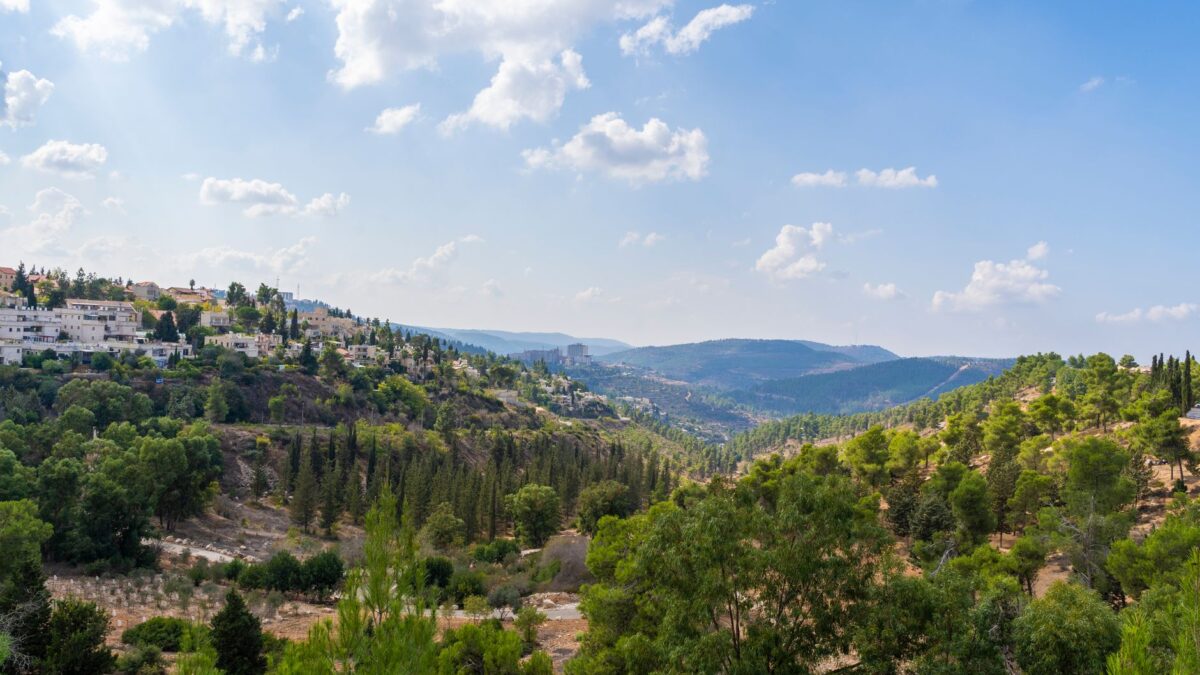
The last gasp of summer is upon Jerusalem, and the city is humming. The long, warm afternoons—think 20–33°C, clear skies, and a light breeze—are giving way to cooler hill evenings, and the parks and market stalls are full of families squeezing in the final days before school starts. As the Hebrew month of Elul gets underway, there’s a quiet, introspective shift in the air: the Selichot (forgiveness) prayers are approaching, and the city is already preparing for the High Holidays. Figs, pomegranates, and prickly-pear sabras are at their peak in Mahane Yehuda, and there’s a palpable sense of anticipation—not just for the holidays, but for everything that’s happening this week.
This Week’s Big News: The Green Line Is Open
The biggest news on the street is the long-awaited opening of the Green Line (L3) light rail, which launched last Friday, August 21. It’s the network’s largest expansion since the Red Line debuted in 2011. With 13 new stations stretching about 7 km from Malha to the city center, residents can now transfer between lines for the first time—a game-changer for getting around. For you as a visitor, this means easier access to the Malha Mall area, the Israel Museum, and the Knesset, all now connected to the heart of the city. The new line is a fast, reliable way to beat the afternoon traffic, and it’s a story locals are still buzzing about. Check the Moovit app or the Rav-Kav website for the updated route map, and don’t be shy about asking a station attendant for help—they’re used to excited newcomers.
Festivals and Culture: Something for Everyone
This is a rich week for cultural events. The Jerusalem Theatre is hosting a three-day end-of-summer family festival from August 25 to 27, with morning, afternoon, and evening performances for kids, plus adult shows after dark. If you’re traveling with children, this is a perfect way to keep them entertained while you soak up some air-conditioned culture. Meanwhile, the Jerusalem Festival, the Palestinian cultural celebration at the Yabous Cultural Centre in East Jerusalem, has returned after a two-year war hiatus. It opened on August 16 with a tribute to the late Lebanese musician Ziad Rahbani, and continues with concerts, talks, and exhibitions running through October 15. It’s a vital, vibrant platform, and a chance to engage with the city’s multifaceted identity.
For something truly unique, mark your calendar for August 26: a clown-policeman-led interactive walking tour called ‘Slicha Efshar La’avor?‘ (roughly, ‘Can I Pass, Sorry?’) departs from the International YMCA, winding its way to the Lev Smadar Cinema, where the evening ends with a film screening. It’s a playful, irreverent take on the Selichot season, and it’s exactly the kind of quirky, local experience you won’t find in a guidebook. Also, the Jerusalem Israel Festival is mid-way through its month-long program, with the ‘Verse’ collaboration at the Jerusalem Campus of the Arts, the free ‘Nerds Circus Show’ at the Train Theater on August 28, and Balkan music from the Shlaka Band at Armon Hanatziv—all worth checking out before the month closes.
Practical Notes: Understand the Rhythm of the City
August is peak local summer—vacation time for Israelis—so expect crowds at the usual tourist spots (the Old City, the Israel Museum, and the Shuk) during the day. Prices for flights and hotels are at their seasonal high, but you can still find a reasonable deal if you book a guesthouse outside the center—a modest one-bedroom flat rents for around ₪4,500–6,000 a month (about $1,420), and a mid-range hotel room will set you back roughly ₪400–1,000 per night (about $190). You can save on food: a business lunch at an inexpensive local restaurant will run you about ₪70 (around $19), and street food like falafel, sabich, and bourekas are your best budget allies at ₪10–45. A cappuccino at a café averages ₪15 (about $4), and a local draft beer is about ₪31 (roughly $8).
Keep in mind that public transit fares went up twice in 2025—a single bus ride is now ₪6, and the light rail is ₪8. A monthly pass covering both is ₪323 (about $85). The Rav-Kav smartcard is your friend, and the Moovit app is essential for routing. On Saturday (Shabbat), from Friday sundown to Saturday night, most West Jerusalem buses and the light rail stop running, so plan your day around that. If you’re driving, avoid the Haredi neighborhoods like Mea Shearim on Shabbat—it’s a matter of respect, and locals appreciate it.
Seasonal Food: Eat Like a Local
If you’re in Jerusalem this month, you’re in for a treat. The markets are bursting with summer produce. At Mahane Yehuda Market (the Shuk), you’ll find fresh figs, pomegranates, and sabras (prickly pear) everywhere—eat them now, because they won’t last. The Shuk is also a great place to people-watch; by night, the market transforms into a buzzing bar and restaurant strip. Don’t miss Machneyuda, a stalwart of the new Israeli cuisine, or Deja Bu for a more laid-back meal. If you’re in the German Colony, stroll along Emek Refaim Street and pop into cafes like Cafe Basimta or Touma for a coffee break. For a truly local evening, head to Nachlaot, the bohemian maze of alleys that surrounds the Shuk—you’ll find hidden synagogues, street art, and tiny family-run eateries.
Safety and the Political Moment
As of now, daily life in Jerusalem is normal, but there’s a heightened sense of security. On August 25, Prime Minister Netanyahu ordered the demolition of a UNRWA vocational training camp in northern Jerusalem—a heavily reported story that locals are discussing. It’s a reminder of the fragile geopolitical reality. However, for visitors, the city is heavily policed and generally safe. Follow the Home Front Command (Pikud Ha’Oref) guidelines if you’re here for an extended period, and always carry your passport or entry card with you. The ETA-IL system is still in place: visa-exempt visitors must apply online at israel-entry.piba.gov.il before flying (NIS 25, valid up to two years, stay up to 90 days). Border control no longer stamps passports—they issue a small entry card you must keep with you.
What to Do Right Now
If you’re here this month, make the most of the long evenings. After the sun dips and the heat fades, the Old City walls take on a golden glow—perfect for a walk from Jaffa Gate to the Western Wall. The Tower of David museum’s Night Spectacular sound-and-light show is a must-see, and the Israel Museum is worth a visit for the Dead Sea Scrolls and the Model of Jerusalem in the Second Temple Period. For a breath of nature, escape to Ein Karem, the village-like neighborhood with cobblestone streets and pilgrimage churches, or Gazelle Valley Park in the southwest, where you might spot a few wild gazelles. As the month winds down, keep an eye out for the first signs of Selichot—you’ll see quieter streets, more contemplative faces, and an increasing buzz about the coming High Holidays. It’s a unique time to be here, a city at the cusp of a new season.
Frequently asked questions
Is the Jerusalem Light Rail Green Line open in August 2026?
Yes, the Green Line (L3) opened on Friday, August 21, 2026, adding 13 stations from Malha to the city center. It's the biggest expansion since the Red Line, and you can now transfer between lines.
What are the must-see events in Jerusalem in late August 2026?
Don't miss the Jerusalem Theatre family festival (Aug 25-27), the Jerusalem Festival at Yabous (running to Oct 15), and the quirky clown-led walking tour on Aug 26. The Jerusalem Israel Festival also continues through the month.
How much does a meal cost in Jerusalem this August?
A business lunch at an inexpensive local restaurant costs about ₪70 (around $19), while a mid-range restaurant meal is around ₪90–150 (about $30). Street food like falafel or sabich is your best budget option at ₪10–45.
Do I need to worry about Shabbat closures in Jerusalem?
Yes, from Friday sundown to Saturday night, most West Jerusalem buses and the light rail stop running. Plan your travel accordingly, and avoid driving in Haredi neighborhoods like Mea Shearim on Shabbat.
Is it safe to visit Jerusalem right now?
Daily life is normal and heavily policed, but be aware of security tensions. On August 25, the government ordered demolition of an UNRWA camp, a story locals are discussing. Follow Home Front Command guidance and keep your entry card with you.
Things to do in Israel
 Best seller! Jerusalem old city four quarters tour
 Likely to sell out
Private Tour Jerusalem Old City
Likely to sell out
Private Tour Jerusalem Old City
 JERUSALEM private tour with ELAD VAZANA - Life in Israel & Palestine Then & Now
 Walking Tour of Akko (Half-day)
 In the Footsteps of Jesus: Nazareth and the Sea of Galilee
 Rappelling Down the Ramon Crater Cliff