
A first-timer’s guide to Luxembourg
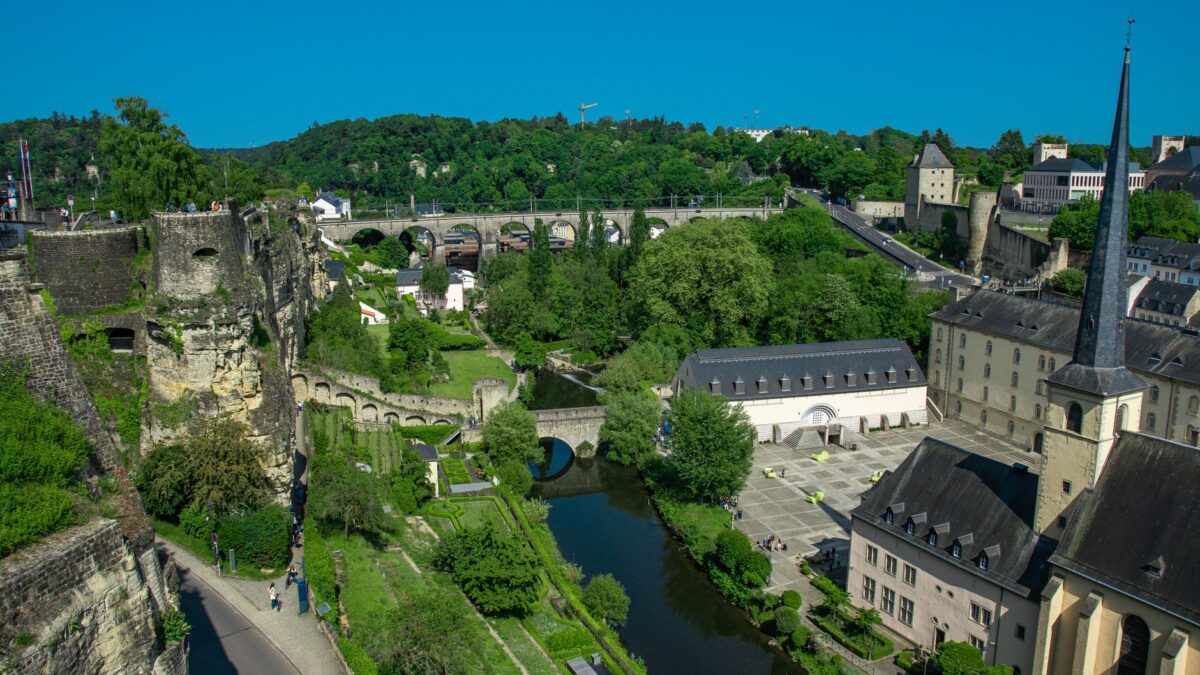
The air in Luxembourg City carries the crisp, earthy scent of the Moselle grape harvest as September turns. It is that fleeting window where the summer heat has broken, but the winter chill hasn’t yet set in. If you are standing on the Chemin de la Corniche right now, looking down at the Grund district’s red-tiled roofs nestled in the Alzette valley, you might feel a sudden, profound sense of peace. This is not just any European capital; it is a place where medieval fortifications meet cutting-edge modernity, and where the pace of life feels intentionally curated. As your local host, I want to make sure you don’t just visit Luxembourg—you experience it.
When to Visit and How Long to Stay
Luxembourg is a four-season city, but the sweet spot for first-timers is late spring through early autumn. July and August bring warmth and festivals, but also crowds. By mid-September, as I am writing this, the city settles into a comfortable rhythm. The school year is back in full swing, the Schueberfouer funfair has packed up its lights, and the evenings turn noticeably cooler—perfect for walking without sweating through your shirt.
For duration, aim for three to four days. This allows you to explore the Ville Haute (Uewerstad) thoroughly, cross the bridges to the Grund, and perhaps take a half-day trip to the Mullerthal region, known as “Little Switzerland.” If you have only two days, focus entirely on the historic centre and the Casemates du Bock underground galleries. Anything less, and you’ll only scratch the surface of this compact, layered city.
Navigating the City: Free Transit and Walking
Here is the secret weapon for every visitor: public transport in Luxembourg is entirely free. Since March 2020, buses, trams, and second-class trains across the country cost nothing. You do not need to buy tickets, validate passes, or worry about fare evasion. Simply hop on bus line 16 from the Gare to the City Centre, or take the tram to Kirchberg. Just carry your ID or passport; police occasionally check for identification during random checks, though enforcement is rare for tourists.
This policy makes getting around incredibly easy. However, be mindful of traffic diversions. For instance, during major events like the Tour du Luxembourg cycling race, large sections of the historic centre—including rue du Fossé and rue Sigefroi—are closed to vehicles from morning until late evening. Bus lines 2, 3, 4, 8, 9, 10, 11, 14, 15, 19, 21, 23, 26, 30, 32, and 33 are often diverted. Check mobiliteit.lu or CFL go apps before heading out if you are visiting during sporting events.
Walking is the best way to see the city. The steep gradients between the upper town (Ville Haute) and the lower town (Grund) can be taxing, so use the Pfaffenthal panoramic lift or the funicular to save your knees. These lifts are part of the free network, adding a touch of engineering charm to your stroll.
Money, Costs, and Dining Realities
Luxembourg uses the euro (EUR). While the currency is stable, the cost of living is among the highest in Europe. Rents for a modest one-bedroom flat in the city median around €1,850 per month, and food prices ran approximately 22% above the EU average in 2025. Do not let this scare you off; it simply means budgeting requires a bit more foresight.
A meal at an inexpensive local cafe or brasserie will cost you about €15–18. If you are craving the national dish, Judd mat Gaardebounen (smoked pork collar with broad beans), expect to pay €22–28 at a traditional spot like Salento or Urban Bar & Restaurant. A dinner at a mid-range restaurant typically runs €30–40 per person. For a quick coffee, a cappuccino at Curious Buds Specialty Coffee or ZECA will set you back roughly €3.50.
Housing-wise, mid-range hotels or guesthouses charge around €100–130 per night. Options like Hotel Parc Plaza or ibis Styles Luxembourg Centre Gare offer reliable comfort near key transit hubs. Taxis are available but pricey; a short ride within the centre might start at €5 and climb to €17–20 depending on distance and time. Uber operates similarly. For daily essentials, milk costs about €1.40 per litre, and a half-litre of local beer at a bar is roughly €4–5.
Essentials: What First-Timers Wish They Knew
The Currency Exchange: You won’t need to exchange money. Euros are used everywhere, and contactless payment is widely accepted, even in smaller cafes.
Museums and Culture: Entry to typical museums ranges from €5–12. If you plan to visit multiple sites, the LuxembourgPass (24h) for about €21 offers significant savings. Note that the Mudam (Musée d’Art Moderne) offers free entry on the first Sunday of the month—a great tip for art lovers. The Grand Ducal Palace interior tours are only available in July and August, so plan accordingly.
Safety: Luxembourg City is one of Europe’s safest capitals. You can walk anywhere at night without significant concern. The only area requiring normal big-city awareness is the quarter around Gare Centrale late at night, where transient populations can be higher.
Culture Shock: Locals speak Luxembourgish, French, and German. English is universally spoken, especially in service industries. The workforce is about 70% foreign, so you will rarely feel like an outsider. Politically, the country is a stable grand duchy under a constitutional monarchy, and socially, it is polite, reserved, and punctual.
Digital Life: Mobile operators POST, Orange, and Tango offer plans ranging from €10–20 per month. You will typically need a registered address (attestation de domicile) to sign up for a SIM card, so keep your hotel confirmation handy.
Must-See Landmarks Beyond the Basics
Beyond the obvious, seek out the Gëlle Fra (Golden Lady) on Place de la Constitution for the most photographed sunset view over the river. Explore the Casemates du Bock, a 23 km network of underground galleries carved into the rock, costing around €7–8 and open from March to October. In Kirchberg, admire the Philharmonie and the European Court of Justice, symbols of Luxembourg’s role as a global finance and EU hub.
For a taste of history, visit the Luxembourg American Cemetery in Hamm, resting place of General George S. Patton and 5,076 other soldiers. It is a solemn, moving reminder of the city’s strategic importance. Finally, don’t miss the Edward Steichen photography wing at the National Museum of History and Art (MNAHA) in the Old Town—it is a hidden gem for visual arts enthusiasts.
Luxembourg rewards those who slow down. Take your time crossing the Adolphe Bridge, grab a coffee in Place d’Armes, and watch the light change on the limestone walls of the old fortress. It is a small country with a giant heart, and once you visit, you will understand why locals call it home.
Frequently asked questions
Is public transport really free in Luxembourg?
Yes, all buses, trams, and second-class trains nationwide are free for everyone since March 2020. You do not need a ticket, just carry ID.
How much does a meal cost in Luxembourg City?
Expect to pay around €15–18 for a casual lunch and €30–40 for dinner at a mid-range restaurant. Traditional dishes like Judd mat Gaardebounen cost €22–28.
What is the best time of year to visit?
Late spring to early autumn is ideal. Mid-September offers pleasant weather, fewer crowds after the summer festivals, and beautiful autumn colors.
Do I need a visa to visit Luxembourg?
EU/EEA/Swiss citizens need no visa. Many non-EU nationals enter visa-free for up to 90 days under Schengen rules. Longer stays require specific authorizations.
Where are the best neighborhoods to stay?
The Gare district is practical for transit and nightlife. The Grund offers picturesque views and charm, while Kirchberg is modern and central for business travelers.
Things to do in Luxembourg
 Luxembourg: Moselle Wine Tasting & Castle Private Day Tour
 Private Vianden Castle Tour from Luxembourg City
 Luxembourg & Belgium 1-day private guided WW2 tour
 Luxembourg Vianden Castle Tour with Transfer + surprise stop
 From Luxembourg: Trier, Moselle River, Waterfall and Castle Tour
 Luxembourg Castles, Forests & Rivers Private Tour (Easy Walks)