

A week in Buenos Aires on a mid-range budget
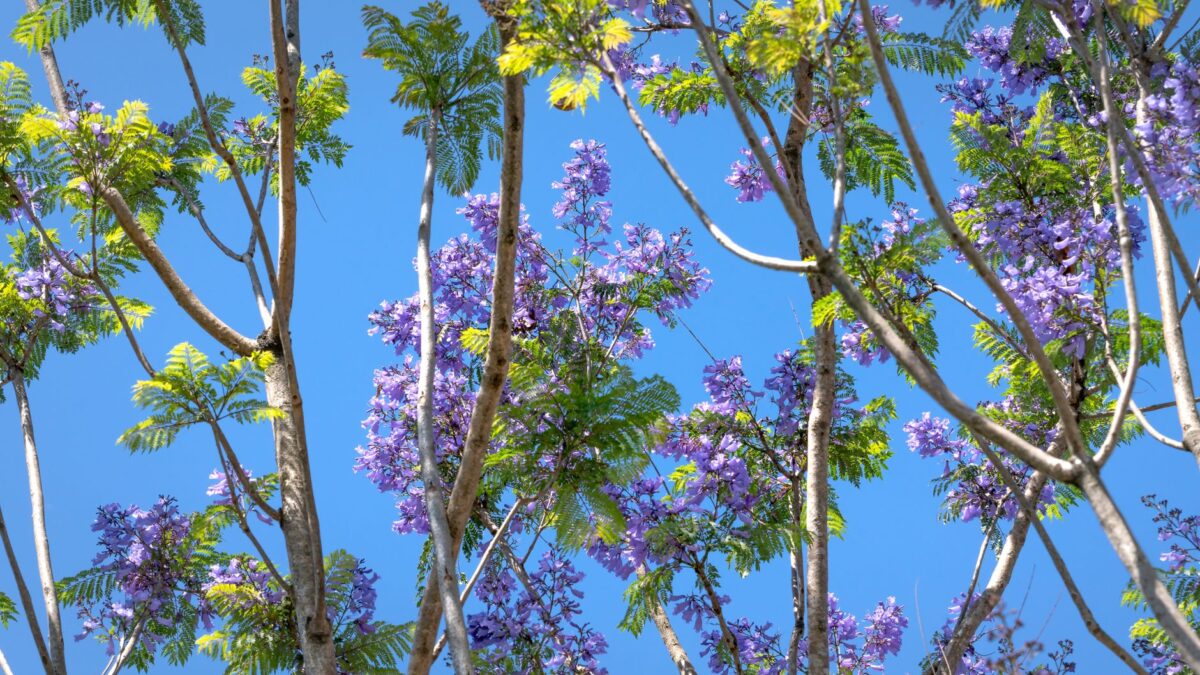
The jacarandas are exploding in purple over Avenida Santa Fe, and the air carries that specific early-November mix of damp earth and exhaust fumes that only Buenos Aires knows. It is a city in transition, shedding the mild spring for the frantic energy of the end-of-year rush. If you are planning a week here, you might be worried about the headlines regarding inflation or the shifting currency rates. Let me tell you what it actually feels like to walk these streets when your wallet is neither empty nor overflowing.
Setting Your Baseline: The Currency Reality
Before we talk about where to eat, we have to talk about the money. As of late October 2026, the Argentine peso has seen significant movement. A single subway ride on the Subte now costs around ARS 1,817 (roughly $2.0), while the minimum fare for a city bus (colectivo) sits at approximately ARS 920.48 (about $1.0). These prices jumped notably at the start of November, so keep that in mind when budgeting for transit.
Accommodation offers a different story. While rents for locals are fluctuating—with a modest one-bedroom flat in CABA averaging around ARS 886,527 per month—travelers often find better value through boutique options. For a mid-range stay, hotels like Hotel U.O.M. or Huinid Obelisco Hotel tend to offer solid comfort without the luxury markup. Expect to pay a premium for central locations, but remember that for visitors paying in foreign currency, the daily cost of living remains accessible if you navigate the local markets correctly.
Days 1–2: San Telmo and the Heart of the City
Your first two days should be anchored in San Telmo and the historic center. This is where the cobblestones meet the colonial past. Start with breakfast at Café Tortoni. It is tourist-heavy, yes, but the history is real. You will spend more than just pesos here; you are paying for the atmosphere of the golden age.
Lunch is where you can save money and eat well. Head to the street fairs or nearby kiosks for an empanada. A single empanada from a trusted stand costs between ARS 3,000 and ARS 5,000 (around $4). It is simple, savory, and perfect for walking. For dinner, consider Sale e Pepe – San Telmo for a reliable Italian-Argentine fusion that fits a mid-range budget without sacrificing quality.
Transit Note: If you need to cross the city, the Subte is your friend. With fares around ARS 1,817, it is efficient. However, be aware that Independencia station on Line C is currently closed for renovations starting early November. You will need to ask for a special transfer ticket at San Juan or Moreno stations if your route requires switching lines.
Days 3–4: Palermo and the Taste of Street Food
Palermo is the neighborhood of choice for dining, but it can get expensive if you stick to the main plazas. To keep costs mid-range, venture slightly into the side streets. Grab a choripán—a grilled chorizo sandwich on crusty bread—for lunch. At a fair or a specialized grill spot, this runs about ARS 10,000 to ARS 15,000 (roughly $14). It is hearty, delicious, and far cheaper than a sit-down meal.
For a proper dinner, El Preferido de Palermo is a staple. It is not fancy, but it is authentic. Alternatively, try Las Cañas for a classic beer hall experience. If you want something lighter, coffee culture thrives here. CCS Coffee Shop offers excellent brews that won’t break the bank.
Seasonal Tip: Early November marks the beginning of Semana de la Pastelería. From November 2nd to 6th, many neighborhood confiterías, including Confitería La Ideal, run promotions. On Tuesday, November 3rd, look for 2×1 deals on medialunas (crescent pastries). It is a sweet way to stretch your budget.
Days 5–6: Culture, Museums, and Free Afternoons
Buenos Aires rewards curiosity. If you are visiting between November 2nd and 8th, you are in luck. Semana del Patrimonio opens more than 40 palaces, museums, and usually-closed buildings to the public with guided tours. This includes gems like Palacio Ceci and Pasaje Rivarola. Entry is free, though donations are appreciated.
For major institutions, the National Museum of Fine Arts and the Museo de Arte Latinoamericano de Buenos Aires (MALBA) are must-sees. Ticket prices vary, but they are generally affordable compared to European counterparts. If you prefer science, the Bernardino Rivadavia Museum of Natural Science offers fascinating exhibits on regional biodiversity.
Evenings are best spent outdoors. The weather is hovering between 17–21°C, perfect for sitting on a terrace. Consider catching a play during the Briski en Escena festival (November 2–13), which stages eight plays across venues like the Universidad de las Madres and Plaza de Mayo, often relying on solidarity contributions rather than fixed ticket prices.
Day 7: Final Strolls and Practical Tips
Your last day is for soaking in the rhythm. Walk along the river or explore the Recoleta cemetery. For your final meal, try a locro, a traditional stew made with corn, beans, and meat. It costs around ARS 12,000 (about $13) at local eateries and is a comforting end to your trip.
Important Context: Be mindful of your surroundings. Due to Pope Leo XIV’s visit scheduled for November 2026, there are significant security measures in place. In Palermo, expect street closures around Av. del Libertador near the Monumento de los Españoles. In Recoleta, there is a full vehicle lockdown around the Nunciatura from November 7–11, requiring residents and guests to prove their presence. Plan your routes accordingly and allow extra time for transit.
Finally, carry cash. While cards are widely accepted, smaller vendors and street food stalls often prefer pesos. Exchange your dollars at a trusted house of exchange (cueva) for the best rate, avoiding the official bank rate unless necessary for large transactions. Banks like Galicia Bank Headquarters or Citibank are reliable for withdrawals, but check fees carefully.
Buenos Aires is a city of layers. With a mid-range budget, you don’t need to sacrifice experience for economy. You just need to know where to look, what to ask for, and when to take advantage of the city’s seasonal generosity.
Frequently asked questions
How much does public transportation cost in Buenos Aires in 2026?
As of November 2026, a single subway (Subte) ride costs around ARS 1,817 (approx. $2.0), and the minimum city bus (colectivo) fare is about ARS 920.48 (approx. $1.0).
Are there free cultural events in Buenos Aires in early November?
Yes, Semana del Patrimonio (Nov 2–8) opens over 40 museums and palaces for free guided tours. Additionally, the Briski en Escena theatre festival (Nov 2–13) offers plays often based on solidarity contributions.
What are some affordable street food options in Buenos Aires?
A single empanada costs between ARS 3,000–5,000 (approx. $4), a choripán is around ARS 10,000–15,000 (approx. $14), and a loco stew is about ARS 12,000 (approx. $13).
Is Buenos Aires safe to visit during the Pope's upcoming visit?
Yes, but be aware of strict security measures. In early November, expect street closures in Palermo and vehicle lockdowns in Recoleta. Residents and hotel guests may need to prove their address during these periods.
Where can I find good coffee shops in Buenos Aires?
Top spots include CCS Coffee Shop, El Gato Negro, and RITA® Specialty Coffee Armenia. For a historic experience, Café Tortoni is iconic, though pricier.
Things to do in Argentina
 Empanada Cooking Class in Buenos Aires
 Buenos Aires: 7-Course Argentine Asado & Live Music
 Trekking day in the mountains close to Bariloche
 Horseback riding and barbecue in a private ranch - La Carrera, Mendoza
 Buenos Aires: Take a Mate Break in 45 Minutes
 Buenos Aires Like a Local: Private City Tour in Premium Car