

Austria in August 2026: what travelers should know now
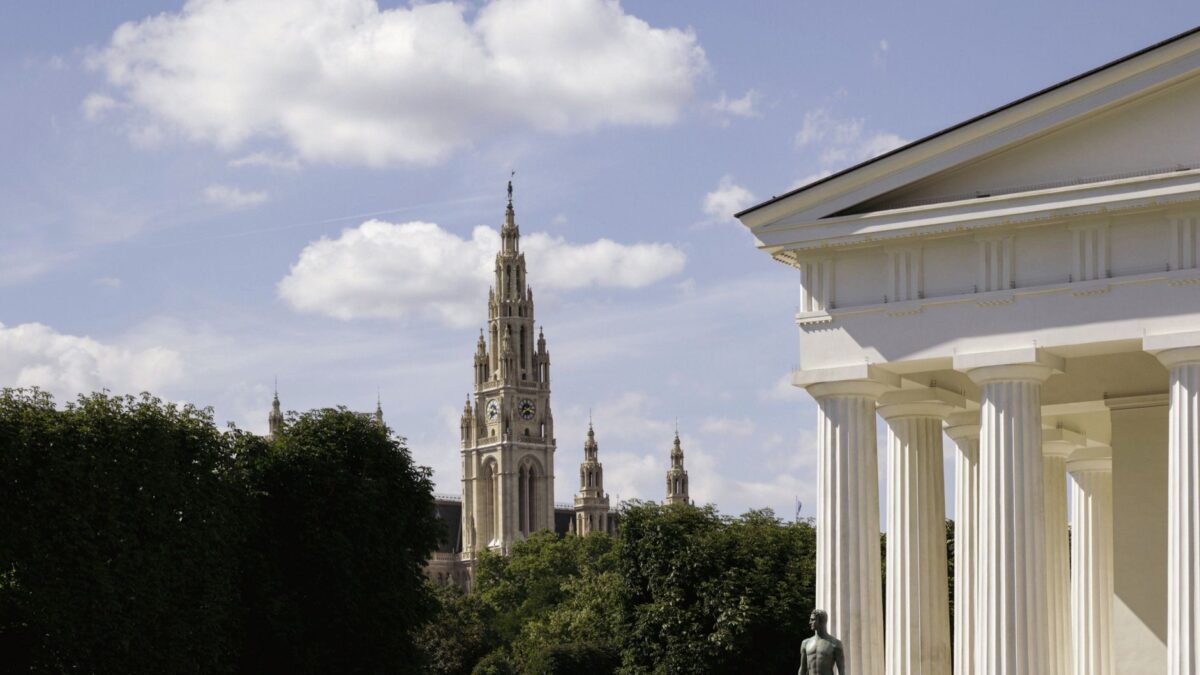
The last of the summer heat is curling over the rooftops of the Innere Stadt, and the chestnut trees in the Burggarten are just starting to show a hint of gold. It’s mid-August in Vienna, and the city is in that lovely, languid pause between the peak tourist rush and the autumn cultural season. The air is clear, with highs around 30°C and lows near 18°C, and the sun stretches from just before 5:47 AM to after 8:10 PM. But don’t let the calm fool you — tomorrow, August 15th, is Assumption Day (Maria Himmelfahrt), and the city will shift gears entirely. As your local host, here’s exactly what you need to know for the next few weeks.
Tomorrow is a Big Deal: Assumption Day (Saturday, August 15th)
This Saturday is a national public holiday, and it changes the rhythm of the city. In Vienna, this means that most supermarkets, banks, and larger shops will be closed all day. The city doesn’t shut down completely — many museums and cafes will open — but plan your errands for today or Sunday. The weekend will be busy with locals heading out of town, but the city center will still be thrumming with tourists taking advantage of the late-summer weather.
This is also the weekend to embrace the Heurigen culture. While the big wine villages outside the city get packed, you can get a taste of the harvest season right on the edge of the 19th district in Döbling and Grinzing. Vineyards here are lush and green, and the taverns serve the new wine alongside hearty platters. Expect a lively, noisy, and festive atmosphere — that’s the point.
What’s On and What’s Changing Right Now
Because it’s a holiday weekend, the classic sights will be at their busiest. If you want to see the Sisi Museum in the Hofburg or get close to Gustav Klimt’s The Kiss at the Belvedere, book in advance. The same goes for Schönbrunn Palace — the 1,441 rooms are magnificent, but the queues can stretch long by mid-morning. The silver lining of the heat? The Kunsthistorisches Museum is the perfect cool, quiet refuge. It remains one of the best places in the world to see Bruegel the Elder’s masterpieces, and the café under the grand Kuppelhalle is a fantastic spot for a mid-afternoon Apfelstrudel (about €9).
If you want to avoid the crowds, take the U-Bahn to Leopoldstadt (District 2). The Karmelitermarkt is a local’s market, far less touristed than the more famous Naschmarkt, and it’s a great place to grab a pastry and coffee. The Prater’s vast green space is ideal for a long walk or a ride on the iconic Riesenrad ferris wheel, which is celebrating its 1897 heritage — it’s a skyline icon for a reason.
Crowds, Costs, and the Transit Reality Check
August is peak season, and prices reflect it. A mid-range sit-down meal of Wiener Schnitzel with potato salad will typically run between €19 and €28. For a lighter, weekday lunch at a traditional Viennese beisl (tavern) like Reinthaler’s Beisl, you’re looking at around €10 to €15. A more indulgent Tafelspitz (boiled beef with horseradish-apple sauce) might set you back €15 to €25.
Here’s the most important local news right now: Vienna’s public transport fares rose sharply on January 1, 2026 — the first hike in 13 years. A single ticket now costs €3.20 (or €3.00 if you buy it in the WienMobil app). If you’re here for more than three days, skip the singles. A 48 or 72-hour ticket is a much better deal, and for longer stays, the weekly or monthly pass (around €51) is worth the math. For a city that consistently ranks first in quality-of-life and safety, transit is the most visible inflating cost right now — it’s still efficient, but it’s no longer pocket change.
Navigating the Museum Quarter & Creative Vienna
For the perfect summer evening, head to the MuseumsQuartier in Neubau (District 7). The cobblestone courtyards are filled with people lounging on the legendary Enzi sofas well into the evening. This is the creative heart of the city. You can wander the Biedermeier lanes of Spittelberg, where small galleries and pubs sit side by side, or spend the afternoon browsing indie boutiques and third-wave coffee shops on Neubaugasse. This is also where you’ll find some of the best specialty coffee in town — spots like The Good Coffee Society and Balthasar Coffee Bar are buzzing.
A note on the weather: with clear skies and highs near 30°C, the late afternoon sun in the MuseumsQuartier is glorious. Grab a spritzer from a stand and just watch the city go by. It’s the kind of moment that makes you understand why Vienna is also home to the UN’s IAEA and OPEC — it’s a serious business city, but it never forgets how to take a break.
Practical Vienna: Getting Around, Money, and Staying Connected
Getting Around: The Wiener Linien U-Bahn, trams (the famous “Bim”), and buses all run on a single ticket network. The CAT airport rail link from Wien Mitte station (Landstraße, District 3) is the quickest way to the airport, but the regular S-Bahn trains are usually half the price and only slightly slower. If you’re using the excellent Vienna City Card, it covers transit and gives you discounts at most major museums, including the Hofburg and Schönbrunn.
Money & Banking: Vienna is card-friendly, but you’ll still want a bit of cash for the smaller Heurigen in Grinzing or the Naschmarkt (try the legendary Saturday flea market if you’re still around on the 22nd). The euro (EUR) is stable, trading around 0.924 per US dollar — so your dollars have decent purchasing power. All ATMs work fine, and most banks use the Maestro/Visa systems. Avoid airport exchange booths; the rates are poor.
Staying Connected & Safe: For short visits, get a prepaid SIM with your passport from A1, Magenta, or Drei, or pick up the budget-friendly HoT (A1’s low-cost brand) at a local supermarket. You don’t need a Meldezettel for prepaid, but if you’re staying longer and want a contract, you’ll need to complete your Meldegesetz residence registration within three days of moving in — a mandatory step for all new residents.
Finally, safety: Vienna routinely tops the Economist and Mercer safe-city rankings. The only real concern is pickpocketing around Stephansplatz and Praterstern on busy tourist days, so keep your wallet in your front pocket. For central stays, look to the 1st, 6th, or 7th districts. Hotels like The Hoxton, Vienna (in the 7th) offer a stylish base, while The Guesthouse Vienna is a classic near the opera — right on the Ringstrasse, which Emperor Franz Joseph famously laid out in 1857 when the old city walls came down. You are walking through 600 years of history, so look up from time to time.
Enjoy the heat, respect the holiday closures, and find a shady spot in the Wienerwald when the city gets too busy. Servus!
Frequently asked questions
Is everything closed on Assumption Day (August 15th) in Vienna?
Most grocery stores and banks will be closed on Saturday, August 15th. However, museums, most cafes, and many restaurants remain open, though they may be busier than usual. Plan to buy any groceries ahead of time.
How much does public transport cost in Vienna now in 2026?
As of January 1, 2026, a single transit fare costs €3.20, or €3.00 if purchased via the WienMobil app. For short stays, a 24, 48, or 72-hour ticket is the best value for getting around the central districts.
Is August a busy time to visit Vienna?
Yes, August is peak tourist season. Expect significant crowds at major landmarks like Hofburg, Schönbrunn, and the Belvedere. It's advisable to book tickets online in advance to avoid long queues.
What is the weather like in Vienna in mid-August?
Expect clear skies and warm temperatures between 18°C and 30°C. The sun rises around 5:47 AM and sets around 8:10 PM, making it perfect for long evening strolls, despite the heat of the afternoon.
Do I need cash in Vienna, or is card accepted everywhere?
Vienna is heavily card-friendly; even small shops usually take cards. However, for the Saturday Naschmarkt flea market or small Heurigen taverns in Grinzing, having about €20-€40 in cash is a good backup. The exchange rate is around 0.92 EUR per USD.


