

Austria in October 2026: what travelers should know now
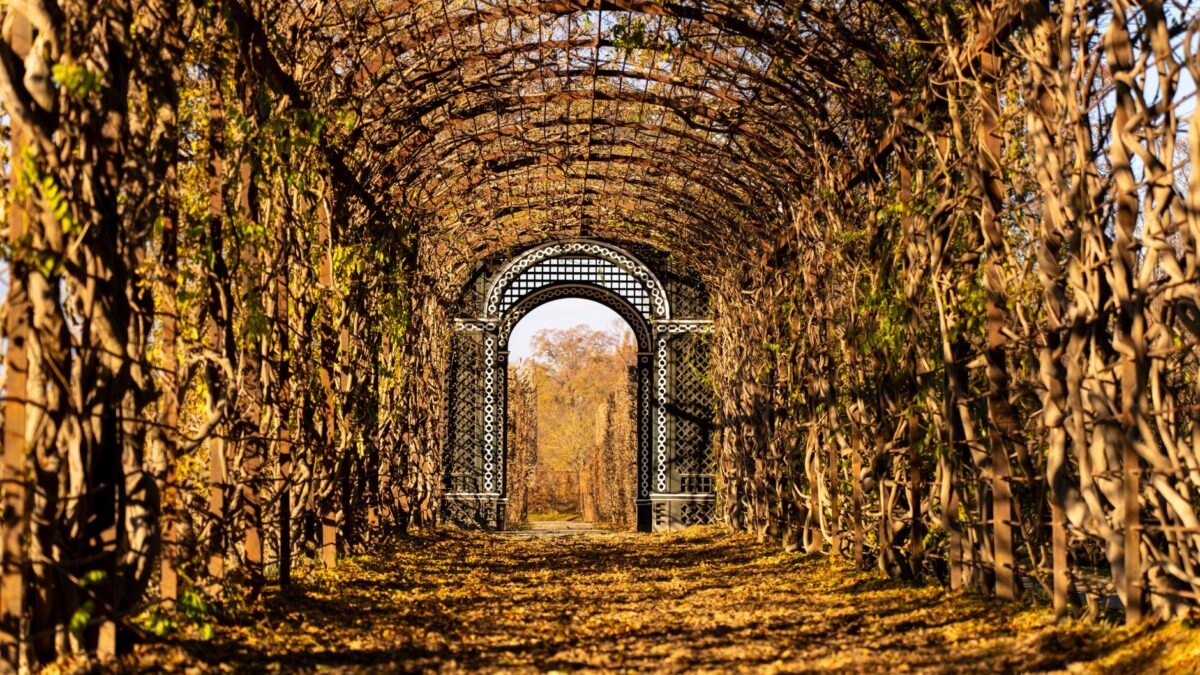
There is a specific, golden light that hits the Danube Canal in early October, turning the water into liquid bronze before the first real chill sets in. As of today, Vienna is caught in that brief, beautiful window between summer’s end and winter’s arrival. The air is crisp, the days are shortening, and the city is shedding its tourist-heavy skin for something more intimate. If you are arriving this month, you are stepping into what locals call the goldener Herbst—the golden autumn. It is the perfect time to wander, provided you know how the city is moving right now.
The Season: Sturm, Maroni, and Packing for Rain
Right now, the weather in Vienna is shifting. Today, the forecast calls for temperatures hovering between 12°C and 24°C, with rain expected—about 4mm over two hours this afternoon. This is typical for October: mild enough for a light jacket, but wet enough that you need waterproof shoes. The sun rises at 07:03 and sets by 18:19, so plan your outdoor sightseeing for the morning or early afternoon.
This is also the season of Sturm, the young, cloudy new wine that fills the Heuriger (wine taverns) in the hills. You will smell roasted chestnuts (Maroni) on nearly every street corner, and menus are already featuring pumpkin and chestnut dishes. Pack layers: a warm coat for the evenings, a waterproof shell for the unpredictable showers, and comfortable walking shoes for cobblestones that may be slick with rain.
Holidays and Closures: Nationalfeiertag Approaching
In just 18 days, on October 26, Austria celebrates its National Holiday (Nationalfeiertag). While it is not as boisterous as Independence Day in the US, it is a significant day of reflection and civic pride. Banks, post offices, and many smaller shops will be closed. Public transport runs on a reduced Sunday schedule, so check the Wiener Linien app if you are traveling long distances that day. For travelers, it means fewer crowds at major museums like the Kunsthistorisches Museum, but also fewer services available if you need to exchange money or buy supplies.
Be aware that some smaller family-run businesses (Beisln) may close for extended lunch breaks or early evening during this period. Plan your meals around these closures, especially if you are staying in residential districts rather than the city center.
Festivals and Cultural Happenings
Via is currently hosting two major events that define the Viennese October experience. First, the Vienna Kaiser Wiesn is in full swing on the Prater’s Kaiserwiese. Running from September 24 to October 11, this is the city’s take on Oktoberfest, featuring three large tents and alpine huts. It is lively, loud, and a great place to try traditional food and beer. However, note that the festival ends this weekend (October 11), so if you miss it, you will have to wait until next year.
Second, the Book Weeks in the Coffee House (Bücherwochen im Kaffeehaus) is running from October 1 to 22. Participating cafés across the city are giving away around 20,000 free books, many with Vienna themes, accompanied by readings. This culminates in the Vienna Crime Prize award ceremony. It is a charming, low-key way to engage with local culture. Visit classic spots like Café Central or Café Landtmann to participate, though availability of books is first-come, first-served.
Transport Disruptions: What to Expect Now
This is the most critical section for anyone arriving in October 2026. Vienna’s public transport system, Wiener Linien, is undergoing significant reconstruction, which affects navigation heavily.
- S-Bahn Stammstrecke Closure: The core S-Bahn line is closed between Wien Praterstern and Wien Hauptbahnhof from September 2026 through October 2027. There are no trains on this segment. Commuters are using U-Bahn and trams, so expect tighter intervals and higher congestion on those lines.
- Tram Line 49: Shuttered for track renewal in Huglgasse/Märzstraße until October 31. Lines 46 and 52 have been extended to cover its route. Do not look for Tram 49; use 46 or 52 instead.
- Tram Line D: Running only in two disconnected sections (Nußdorf–Augasse and Börse–Absberggasse) due to works on Althanstraße until mid-November. Plan alternative routes if you need to cross the city via this line.
- U-Bohn Line U6: Trains skip the Neue Donau station in the Floridsdorf direction while the station is modernized until the end of 2026. Passengers must double back from the next stop.
Prices have also changed. From January 2026, the single paper ticket price jumped from €2.40 to €3.20. A monthly pass is €51. If you are staying longer, consider the Jahreskarte WIEN for residents (€467), but for tourists, a 7-day ticket (€28.90) or daily passes are likely more cost-effective. Download the WienMobil app to manage tickets digitally, as digital fares are slightly cheaper (€3.00 vs €3.20).
Practical Tips for October Arrival
Currency and Costs: Use Euros (EUR). Inflation is around 3.5%, so prices feel stable but are creeping up. A modest one-bedroom flat rents for about €1,000–1,300/month. For visitors, expect to pay €90–180 per night for a mid-range hotel. Lunch (Mittagsmenü) at a local Beisl costs €9–14, while a main course like Wiener Schnitzel is €14–22. A cup of coffee (Melange) in a historic café is €4.50–5.00. A Käsekrainer sausage at a Würstelstand is €4–5.
Visa and Entry: Austria is in the Schengen Area. Visa-exempt travelers (US, UK, Canada, etc.) can stay 90 days within any 180-day period. The EU’s ETIAS pre-travel authorization is scheduled to phase in from late 2026—check your status before booking. Upon arrival, if you are staying longer term, remember that residence registration (Meldezettel) must be filed within 3 days at any Magistratisches Bezirksamt. It is free but requires a landlord-signed form.
Safety: Vienna is very safe. Violent crime is rare. The main risk is pickpocketing in tourist areas and at stations like Praterstern, which can feel rough late at night. Book accommodations a few streets back from the station for peace of mind. The emergency number is 112.
Where to Stay: Consider the Innere Stadt (1st District) for history, Leopoldstadt (2nd) for the Prater vibe, Landstraße (3rd) for museums, Neubau (7th) for design and cafes, or Döbling (19th) for wine and nature. Avoid staying too close to Praterstern station if you prefer quiet nights.
Enjoy the goldener Herbst. It is fleeting, but beautiful.
Frequently asked questions
Is public transport affected in Vienna in October 2026?
Yes. The S-Bahn Stammstrecke is closed between Wien Praterstern and Wien Hauptbahnhof until October 2027. Tram lines 49 and D are also partially or fully shut down. Use the WienMobil app for real-time updates.
What is the Vienna Kaiser Wiesn?
It is Vienna's Oktoberfest-style festival held on the Prater's Kaiserwiese, featuring three tents and alpine huts. It runs from September 24 to October 11, 2026.
When is Austria's National Holiday and do things close?
Nationalfeiertag is October 26, 2026. Banks and many shops will be closed, and public transport will run on a reduced Sunday schedule.
How much does a single tram or metro ticket cost now?
As of 2026, a single paper ticket costs €3.20. Digital tickets via the WienMobil app are €3.00. Monthly passes are €51.
Do I need an ETIAS visa for Austria in 2026?
The EU's ETIAS pre-travel authorization is scheduled to phase in from late 2026. Visa-exempt travelers should verify their current status before booking.


