

From the airport into Manila: every option and what it costs
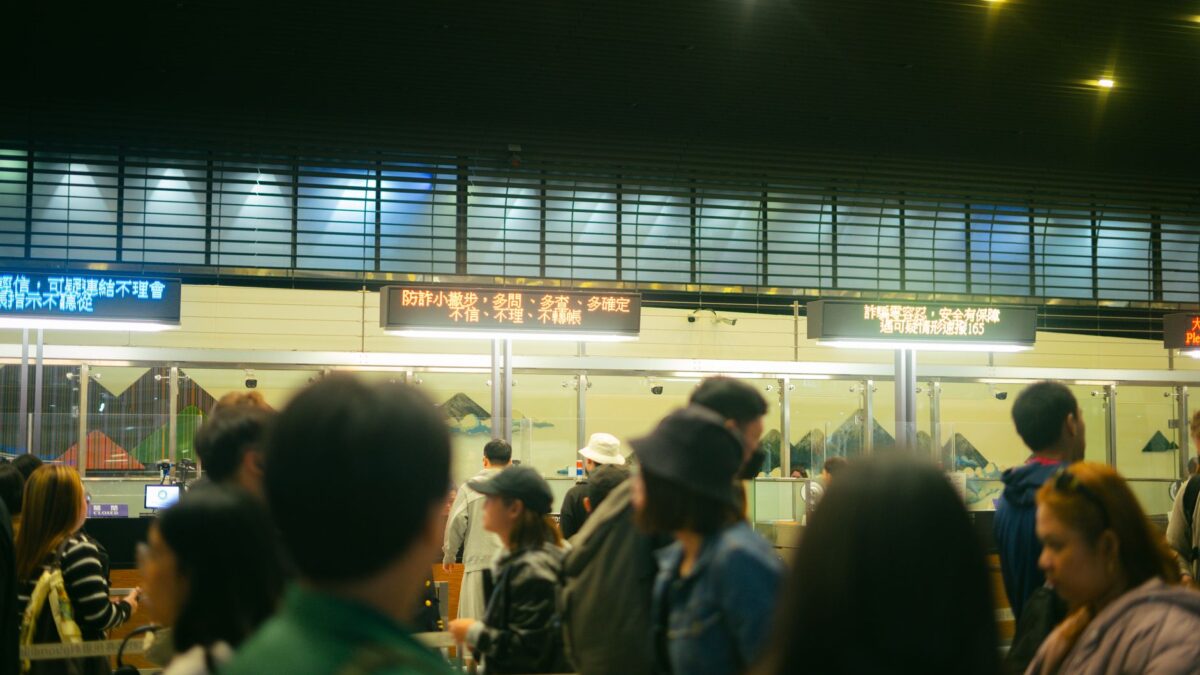
You step off the plane into the Manila heat, and it hits you like a warm, wet towel. It is October, which means we are in that sticky limbo between the heavy rainy season and the crisp ‘ber’ months when Christmas carols start leaking out of mall speakers. The air feels thick—27 to 32 degrees Celsius, but with the humidity, it feels closer to 39°C. You have just landed at Ninoy Aquino International Airport (NAIA), and your first decision isn’t about where to eat or see; it is about how to get into the city without getting stranded or scammed. I am Miguel Santos, and I have navigated these roads for years. Let me walk you through every option from Terminal 1 to your door.
The Airport Rail Link: Fastest, But Not All the Way
For years, this was a rumor. Now, the NAIA Express train connects Terminals 1, 2, and 3 directly to the LRT-1 system at Taft Avenue. If you are arriving at T2 or T3, this is your best bet for speed. The ride itself is smooth, air-conditioned, and takes roughly 15 to 20 minutes to reach the LRT interchange. From there, you can hop on the Light Rail Transit (LRT) line north toward Blumentritt or east toward Roosevelt.
Cost: Roughly ₱40–₱60 total for the airport rail plus your initial LRT fare (using a Beep card). (≈ $1.00)
Time: About 45–60 minutes depending on your final stop in Intramuros or Quiapo.
When to pick it: Choose this if you are traveling light, want to avoid the notorious EDSA traffic gridlock, and are heading toward the northern parts of Metro Manila like Quezon City or near Rizal Park. Note that the LRT stations are not always perfectly integrated with street exits; you may still need a short tricycle or jeepney ride from the station to your hotel. Also, be mindful that during maintenance windows, water service interruptions affect parts of Makati and Pasay, so check if your destination relies on municipal water tanks that might be low today.
Official Airport Taxis: Safe, Metered, and Transparent
If you have heavy luggage or travel with family, do not negotiate with random drivers in the arrivals hall. Head straight to the Official Airport Taxi counters located outside each terminal. You pay a fixed fee upfront based on your zone, and you get a metered taxi. This is crucial because flag-down meters in Manila start around ₱40–₱45, but traffic can make a simple 5-kilometer trip turn into an hour-long ordeal with costs skyrocketing.
Cost: Approximately ₱150–₱300 depending on distance and tollway usage. (≈ $3.00–$5.00)
Time: 45 minutes to over 2 hours. Traffic in Manila is real. Even at 6 PM, moving from NAIA to Makati CBD can take forever.
When to pick it: Pick this if you value peace of mind over price. It is safer than hailing a cab on the street, and the driver knows exactly where to go. If you are heading to Binondo for the Ongpin Street food crawl or need to get to the Spanish walled city of Intramuros quickly before dinner, this is a solid choice. Avoid peak hours (5–8 PM) if possible.
Grab Ride-Hailing: The Local Favorite
Think of Grab as the Southeast Asian Uber. It is ubiquitous, reliable, and you never have to worry about the meter or language barriers. You book via the app, and a driver picks you up at designated zones outside the terminals. For many locals, this is the default way to move between districts like BGC, Makati, and Quezon City.
Cost: Variable due to dynamic pricing. A ride to Makati might be ₱300–₱500 ($5–$9), while a shorter hop to Ermita could be ₱150–₱250 ($3–$4). Surge pricing applies during rain or rush hour.
Time: Similar to taxis, heavily dependent on traffic conditions.
When to pick it: Use Grab if you want to track your route and payment digitally. It is particularly useful if you are heading to Bonifacio Global City (BGC), where the grid layout makes navigation easier for drivers. However, be aware that some strict security checkpoints at corporate towers in BGC may restrict pickup points, so follow the app instructions carefully. Always carry cash just in case, though GrabPay is widely accepted.
Private Transfers and Hotel Shuttles: Comfort First
Many mid-range hotels in areas like Malate, Ermita, or even BGC offer their own shuttle services. Alternatively, you can pre-book private car transfers through companies or platforms. This is often the most stress-free option, especially after a long flight.
Cost: Hotel shuttles are sometimes free or included in your stay rate. Private cars range from ₱800 to ₱1,500 ($14–$26) for a dedicated sedan.
Time: Same as taxis, but with no waiting time for a driver to arrive.
When to pick it: Ideal if you are staying at places like the Pacific Bay Grand Suites or Casa Bocobo Hotel. It is also the best choice if you have specific needs, such as extra space for gear or if you are arriving late at night when public transit options are limited. Given the current economic climate, with inflation sitting at 1.7% and the peso hovering around ₱57 per dollar, private transfers remain affordable for Western travelers but represent a significant cost for local commuters.
Jeepneys and Public Buses: For the Adventurous Soul
Yes, you can take public transport. The P2P buses run from NAIA to major hubs like Cubao and Ortigas, costing around ₱150 ($2.50). Jeepneys are iconic, with fares starting at just ₱13–₱15 ($0.20) for short rides. However, navigating them from the airport requires you to first get to a main road like Epifanio de los Santos Avenue (EDSA).
Cost: Very low. A combination of bus and jeepney might cost under ₱200 ($3.50).
Time: Unpredictable. Can be faster than taxis if you catch the right lane, but often slower due to frequent stops.
When to pick it: Only if you are confident, carrying minimal bags, and eager to immerse yourself in daily Filipino life. Do not attempt this if you are tired, lost, or visiting during a thunderstorm. Safety tip: Keep valuables hidden. Areas like Quiapo and Divisoria are bustling but attract pickpockets. Stick to Grab or official taxis for your first day until you feel oriented.
Practical Tips for Your Arrival
- Currency: Withdraw pesos at ATMs inside the airport or banks like BDO or BPI. Avoid exchanging money at street kiosks. A mid-range hotel in Makati might cost you ₱4,500–₱7,000 ($100) per night, so budget accordingly.
- Connectivity: Buy a SIM card at Globe or Smart stores in the airport. Register it with your passport. You will need a local number for GCash, the dominant e-wallet for payments.
- Safety: Makati and BGC are generally safer and cleaner. Intramuros is historic but quiet at night. Poblacion in Makati is lively but can get rowdy. Always use in-mall ATMs.
Manila is chaotic, vibrant, and deeply human. Getting from the airport is your first test, but once you are in, the warmth of the people and the incredible food—from a ₱100 carinderia plate to a craft cocktail in Poblacion—will make the journey worth it. Safe travels.
Frequently asked questions
How much does an airport taxi from NAIA to Makati cost?
An official airport taxi to Makati typically costs between ₱150 and ₱300 ($3–$5) depending on traffic and tollways. Always use the official counters outside terminals.
Is the airport train link open to all terminals?
Yes, the NAIA Express connects Terminals 1, 2, and 3 to the LRT-1 Taft Avenue station. It is fast and cheap (around ₱40–₱60) but only gets you part of the way into the city.
Can I use Grab at NAIA airport?
Yes, Grab pickups are available at designated zones outside each terminal. It is often more reliable than hailing cabs, but expect surge pricing during rain or rush hour.
What is the cheapest way to get into Manila from the airport?
The P2P bus to Cubao or Ortigas costs around ₱150 ($2.50). From there, you can transfer to jeepneys or other buses, making it the most budget-friendly option.
Things to do in Philippines
 Immerse in Culture: Villa Escudero Coconut Plantation Experience
 Cebu Walking Tour — History, Culture & Local Food Experience
 Cebu: Scuba Diving Experience beach entry in Mactan
 Bohol Full Day Waterfall & Countryside Scooter Tour
 Viva Old Manila! : Intramuros Walking Tour
 Dumaguete Tours in English | Private, Flexible Full Day Tours