

Getting around Jerusalem: metros, taxis and passes
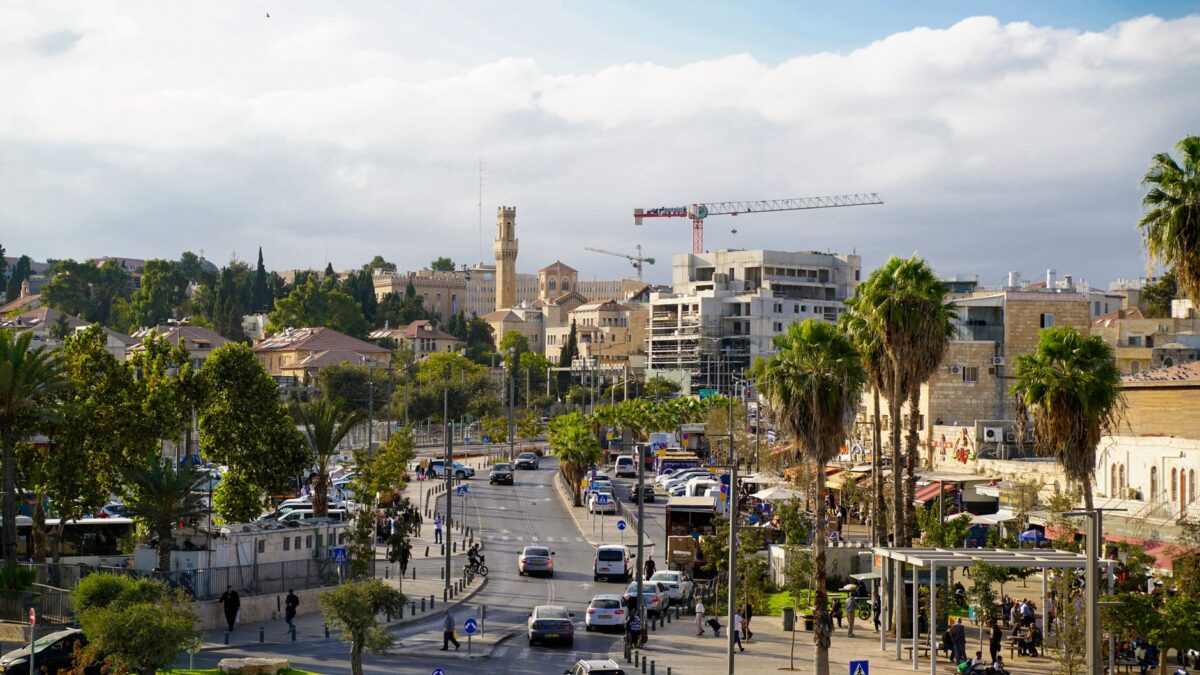
The air in Jerusalem is thin, crisp, and smells faintly of dust and distant rain. It is mid-October, the tail end of the Tishrei holiday season, and the city has settled back into its normal work rhythm after the noise of Sukkot. The days are warm—around 27°C at their peak—but by evening, a cool fog rolls down from the Judean Hills, dropping temperatures to a comfortable 18°C. As you step out to explore this ancient, contested, and beautiful capital, you will quickly realize that navigating Jerusalem requires more than just a map; it demands an understanding of its hills, its rhythms, and its public transport quirks.
The Backbone: Light Rail and Buses
Jerusalem does not have a traditional underground metro system. Instead, its transit spine is the Jerusalem Light Rail (Jaffa Road Line). If you are staying in the German Colony or walking toward Mahane Yehuda Market, you are already within easy reach of the tracks. The light rail runs along Jaffa Road, slicing through the city centre and connecting key hubs like the Central Bus Station to the southern neighborhoods.
However, do not assume the light rail is immune to disruption. In early October, riders faced significant hiccups. An electrical fault briefly shut the entire L1 line, and later, protests near the Central Bus Station physically split the track, forcing service on L1 to be shortened and L3 to be cut off until police approved full restoration. While these incidents are exceptional, they highlight a reality: public transport here can be volatile. Always check real-time updates before heading out.
For the rest of the city, Egged buses are your lifeline. Jerusalem is famously hilly, and many residential neighbourhoods are strictly bus-only zones for cars. The buses climb steep inclines that would exhaust even the fittest walker. To use them, you need a Rav-Kav card, Israel’s rechargeable contactless smart card. You can load it with stored value or a monthly pass and simply tap in when boarding. There are no drivers collecting cash; the system is automated and efficient. A single ride is affordable, though exact fares fluctuate, so keep some coins or a charged card handy for initial top-ups if needed.
When Walking Beats All Other Options
In many cities, walking is a secondary choice. In Jerusalem, it is often the primary one. The city is built on ridges, and the distance between points on a flat map can be deceiving due to elevation changes. However, the rewards of walking are unparalleled, especially in the older, denser districts.
Start in the German Colony (HaMoshava HaGermanit). This area features Templer-era stone houses and the famous Emek Refaim street, lined with cafes and shops. It is highly walkable and sits close to the centre, making it easy to stroll north toward the Knesset or west toward Rehavia. From there, move into Nachlaot. Here, narrow alleys and small stone courtyards weave around Mahane Yehuda Market. It is a bohemian heartland where students, artists, and young olim mix with long-time residents. The light rail runs on the periphery here, but the magic is in the pedestrian lanes.
Rehavia offers a different pace. With its 1930s garden-suburb apartment blocks and leafy streets, it feels like a prestigious enclave for older Anglo professionals. Walking here gives you access to the Israel Museum and the Prime Minister’s Residence without fighting traffic. Further up the hill, Talbiya boasts grand Mandate-era houses and the Jerusalem Theatre, situated between Rehavia and the Old City walls. Each neighborhood has a distinct texture that cars simply cannot capture.
If you venture southwest to Ein Kerem, the character shifts entirely. Once a village, it retains a rural, hillside feel with terraced gardens and quiet streets. The Ein Kerem springs are a short walk away, offering a glimpse of nature just minutes from the urban core. The first hints of autumn rain and the olive harvest are in the air here, making it a perfect spot for a reflective walk.
Taxis and Ride-Hailing: Navigating the Peaks
When your legs give out or you need to cross the city quickly, taxis are plentiful. Unlike some European capitals, Jerusalem has a robust taxi culture. You can flag them down on the street, call a dispatch, or use apps like Gett or Uber, though local apps often integrate with Israeli taxi fleets directly.
Fares are metered, but be aware that night rates and weekend premiums apply. Given the current exchange rate, where roughly 3.7 shekels equal one US dollar, costs can add up quickly if you are moving between distant points like Yad Vashem in the west and the Old City in the east. Always confirm the meter is running before you start.
A word of caution: Jerusalem’s roads are narrow and winding, especially in the Old City and the dense neighborhoods like Baka. Baka, with its tree-lined streets and strong religious-Zionist community, has a village feel along Derech Beit Lechem that can be challenging for larger vehicles. If you choose a taxi, ensure the driver is familiar with the specific alleyways, as GPS signals can sometimes struggle in the older, stone-heavy areas.
Practical Tips for the Modern Traveler
Before you arrive, remember that since January 1, 2025, visa-exempt nationals from the US, UK, EU, Canada, and Australia must obtain an ETA-IL from the Population & Immigration Authority (PIBA). This costs approximately ₪25 and should be filed at least 72 hours ahead of your flight. It is valid for two years or until your passport expires.
Once in the city, carry your ID at all times. Security is tight, and you will encounter bag checks and metal detectors at malls, the Old City gates, and transit hubs. Ordinary street crime is low, but the security situation is volatile. Follow Home Front Command guidance and stay aware of your surroundings.
For dining and coffee, Jerusalem’s café scene is thriving. In the German Colony, try Cafe Yehoshua or Coffee Nadi for a strong espresso and people-watching. Near Mahane Yehuda, Roasters רוסטרס מחנה יהודה and Power CoffeeWorks offer excellent brews. After dark, the Shuk transforms, with places like Ishtabach and Crave Gourmet Street Food drawing crowds. For accommodation, options range from the historic Hashimi Hotel to the boutique charm of Ben Hillel or Saladin Boutique Hotel near the Old City.
Jerusalem is a city of layers—Ottoman walls, Second Temple remnants, and modern tech hubs anchored by Hebrew University. Moving through it requires a blend of patience, physical energy, and respect for its complex rhythm. Whether you are tapping a Rav-Kav card on the light rail, navigating the steep slopes of Rehavia on foot, or haggling for a taxi fare in the fading light, you are participating in the daily life of one of the world’s most enduring cities.
Frequently asked questions
Does Jerusalem have a metro system?
No, Jerusalem does not have an underground metro. Public transport relies on the Jerusalem Light Rail (running along Jaffa Road) and extensive bus networks operated by Egged.
How do I pay for public transport in Jerusalem?
You must use a Rav-Kav card, a rechargeable contactless smart card. Load it with credit or a monthly pass and tap in when boarding buses or the light rail.
Is the Light Rail reliable during protests?
Disruptions can occur. Protests near key hubs like the Central Bus Station may split lines or halt service until police allow restoration, so always check real-time status.
What is the best way to get around East Jerusalem?
Walking is often best for the Old City and surrounding areas like Talbiya and Baka, as roads are narrow. Use taxis or buses for longer distances, as many residential areas are car-restricted.
Do I need an ETA for Israel in 2026?
Yes, visa-exempt travelers from countries like the US, UK, and EU must obtain an ETA-IL via PIBA at least 72 hours before flying, costing around ₪25.
Things to do in Israel
 Best seller! Jerusalem old city four quarters tour
 Likely to sell out
Private Tour Jerusalem Old City
Likely to sell out
Private Tour Jerusalem Old City
 JERUSALEM private tour with ELAD VAZANA - Life in Israel & Palestine Then & Now
 Walking Tour of Akko (Half-day)
 In the Footsteps of Jesus: Nazareth and the Sea of Galilee
 Rappelling Down the Ramon Crater Cliff