

Getting around Manila: metros, taxis and passes
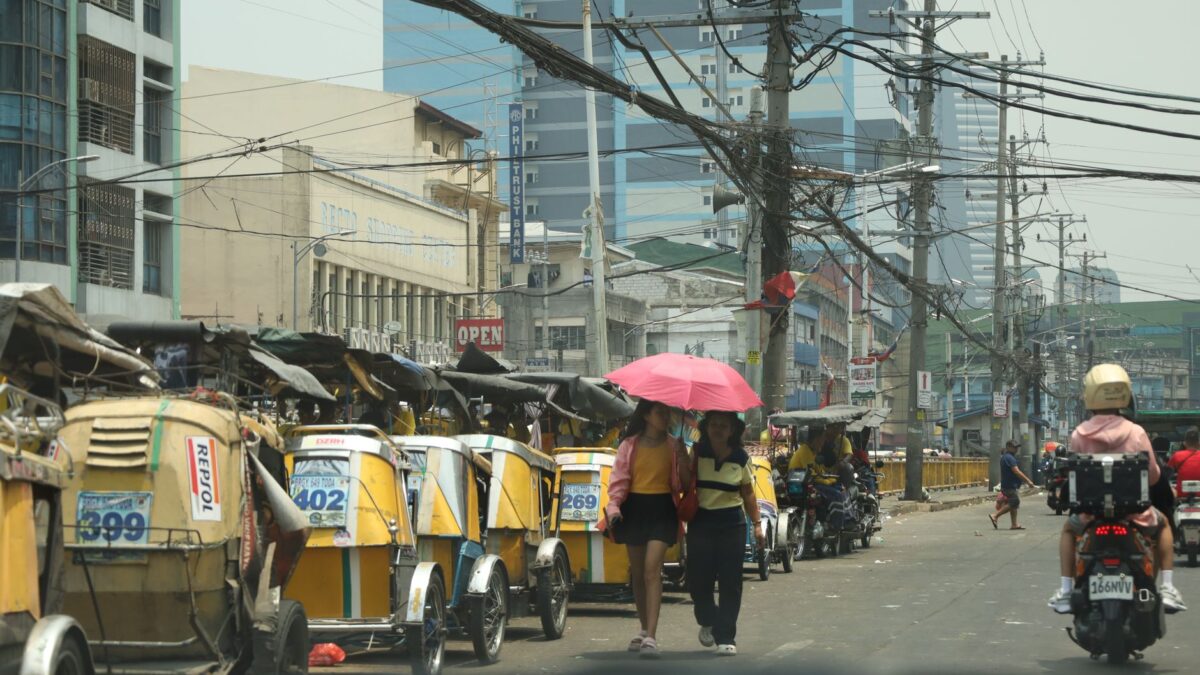
The humidity hits you before the traffic does. It’s a thick, wet blanket that smells of diesel, frangipani, and roasting coffee beans, wrapping around your neck as you step out into the Manila sun. You’ve arrived in the National Capital Region, a sprawling urban beast of 1.6 million people where the rhythm is dictated not by clocks, but by the ebb and flow of jeepneys, the screech of MRT brakes, and the sudden, dramatic drops in temperature during heavy afternoon drizzles. Getting around here isn’t just about moving from point A to B; it’s about learning to dance with the chaos. If you’re standing on the sidewalk right now, wondering how to navigate this concrete jungle without losing your mind or your wallet, let me walk you through it.
The Rail Network: Your Best Bet for EDSA
Manila’s geography is linear. Most major districts—Makati, Ortigas, Cubao, and the business hubs of Taguig—sit along or near EDSA, the ring road that encircles the city. For tourists and expats alike, the rail system is the only way to guarantee you won’t be stuck in gridlock for three hours. However, there is a catch: the trains do not go everywhere. They serve the spine, but they don’t reach the heart of Makati’s Ayala Avenue or the modern towers of Bonifacio Global City (BGC). You will still need other transport to bridge those final gaps.
The good news? The fares are currently unbeatable. Since March 2026, single-journey tickets for the MRT-3 and LRT-2 have been offered at an indefinite 50% discount. You can expect to pay roughly ₱6.50 to ₱14 for a trip on the MRT-3, or ₱7.50 to ₱17.50 on the LRT-2. That’s less than $0.20 USD per ride. To make things even easier, get a beep card. This stored-value smart card is available at station booths and allows you to tap in and out quickly without buying paper tickets every time. It also works on select bus routes and Pasig River ferries, making it the universal key to public transit in Metro Manila.
The Jeepney and Busway: The Soul of Commuter Transit
If the train is the skeleton, the jeepney is the blood. These colorful, elongated vehicles are the lifeblood of Philippine transport. Recently, fare structures were adjusted, with the traditional jeepney minimum rising slightly to around ₱14 for the first four kilometers (modern jeepneys charge roughly ₱17). While that might seem like a small increase, it underscores how cheap local transit remains compared to regional neighbors. A meal at a modest eatery costs around ₱330, so these fares are incredibly accessible.
Navigating jeepneys requires a bit of street smarts. You hail them by waving, and if they stop, you jump in. Tell the driver your destination—they’ll shout it back to confirm. Payment is handed directly to the conductor hanging from the side; you must call out “change!” loudly when handing over bills, as drivers rarely carry large denominations. For longer commutes along the main artery, look for the EDSA Carousel buses. These dedicated bus lanes have recently seen regulatory shifts, with DPWH clarifying that while private cars may use certain lanes during specific phases, the busway itself remains strictly for public transport. Stick to the official buses for speed and reliability.
Taxis, Ride-Hailing, and the Grab App
When the heat becomes unbearable or you’re carrying luggage, you want air-conditioned comfort. The default choice for locals and savvy travelers alike is Grab, the Southeast Asian equivalent of Uber. It’s safer, transparent in pricing, and cashless options are widely available. Street-hailing taxis are common, but exercise caution. Ensure the meter is running (“meter po”) and avoid unmarked cabs entirely. Following the recent fare hikes of nearly 19% for taxi and TNVS services, prices have ticked up, but a short ride across Makati should still feel reasonable.
Be aware of current logistical quirks. With the upcoming ASEAN Summit preparations and ongoing tunnel boring machine movements for the Metro Manila Subway, some overnight routes in Pasig and along C5 are experiencing rolling slowdowns between 10 p.m. and 5 a.m. Additionally, the EDSA busway southbound from Cubao to Guadalupe has seen confusing lane reassignments, leaving many motorists unsure of where they can legally drive. Using Grab mitigates this stress, as the app handles routing around construction zones and road closures automatically.
Walking: When It Beats the Car
There are pockets of Manila where the car is not just unnecessary, but an impediment. Intramuros, the historic walled city, is best explored on foot. Cobblestone streets lined with Spanish-era stone walls, Fort Santiago, and the UNESCO-listed San Agustin Church invite a leisurely stroll. Here, you might even opt for a kalesa (horse-drawn carriage) ride for a touch of colonial nostalgia, though walking gives you the freedom to wander into hidden plazas.
Bonondo, the world’s oldest Chinatown, is another pedestrian paradise. Start your day on Ongpin Street, hopping from one shop to another for hopia (pastry), dumplings, and pancit. Pair this with a visit to Escolta’s restored art spaces. Similarly, the National Museum Complex in Rizal Park offers a free, climate-controlled escape into Filipino history and art, featuring Juan Luna’s monumental Spoliarium. In these areas, walking isn’t just transport; it’s the experience. Just remember to stay vigilant in crowded markets like Quiapo, where pickpockets operate in the throngs, and keep your phone out of sight.
Practical Tips for the Modern Traveler
Before you dive into the streets, a few practical notes can save you headaches. First, connectivity is key. Download Grab and ensure you have a local SIM card from Globe or Smart. Remember, under the SIM Registration Act, you must register your SIM with your passport at an official store—don’t buy from street vendors. This number will be essential for verifying your GCash or Maya digital wallets, which are used for almost everything from street food stalls to mall purchases.
Weather-wise, prepare for volatility. November brings heavy drizzles and feels-like temperatures soaring to 38°C. Carry a light umbrella; it protects against both rain and the harsh sun. Finally, respect the local rhythm. Traffic peaks during rush hours (7–9 a.m. and 5–8 p.m.), and hotels in central Manila average around ₱34,000 per month for a modest flat, reflecting the high cost of living in the center. But outside the core, or if you master the beep card and the jeepney, Manila reveals itself as a vibrant, affordable, and endlessly fascinating city waiting to be explored.
Frequently asked questions
What is the best payment method for Manila's trains and buses?
The 'beep' card is the most efficient option. It is a stored-value smart card purchasable at LRT-1, LRT-2, and MRT-3 stations, allowing quick tap-ins and usage on select buses.
How much does a single train ticket cost in Manila right now?
Due to a 50% discount policy active since March 2026, MRT-3 fares range from roughly ₱6.50 to ₱14, while LRT-2 fares are between ₱7.50 and ₱17.50.
Is it safe to take street taxis in Manila?
It is generally safer to use ride-hailing apps like Grab. If you must take a street taxi, ensure the driver uses the meter ('meter po') and avoid unmarked vehicles.
Which Manila districts are best for walking instead of driving?
Intramuros, Binondo (Ongpin Street), and the area around the National Museum Complex in Rizal Park are highly walkable and better explored on foot.
Things to do in Philippines
 Immerse in Culture: Villa Escudero Coconut Plantation Experience
 Cebu Walking Tour — History, Culture & Local Food Experience
 Cebu: Scuba Diving Experience beach entry in Mactan
 Bohol Full Day Waterfall & Countryside Scooter Tour
 Viva Old Manila! : Intramuros Walking Tour
 Dumaguete Tours in English | Private, Flexible Full Day Tours