

Getting around Montevideo: metros, taxis and passes
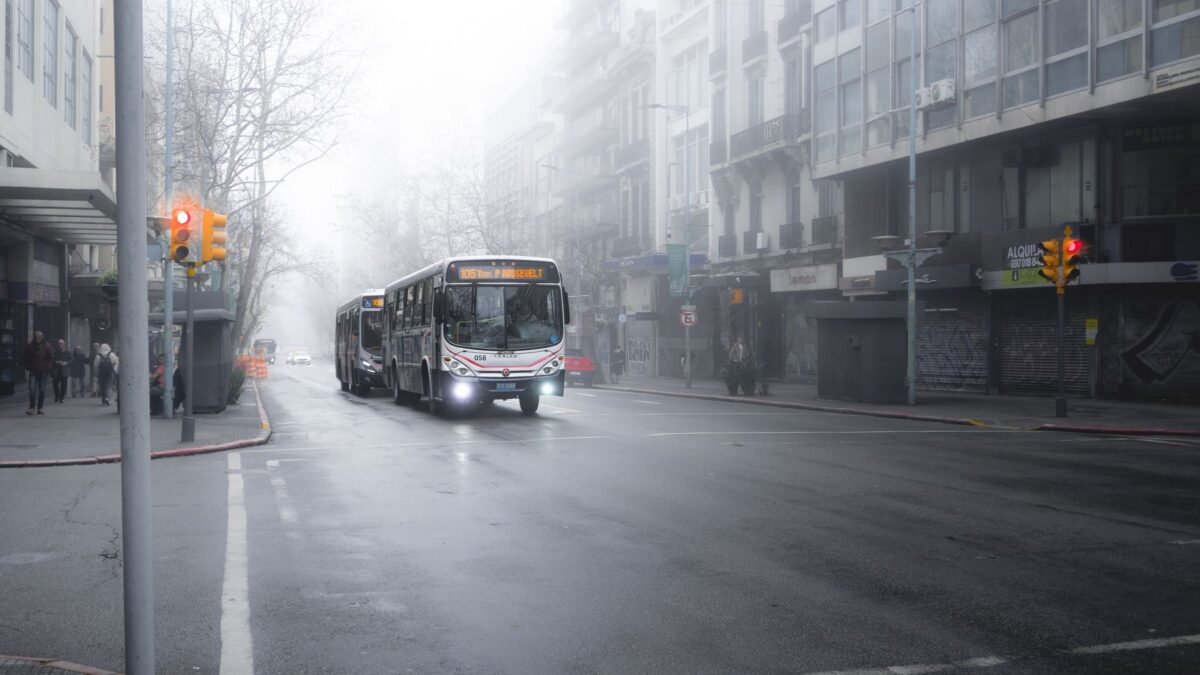
The wind off the Río de la Plata is doing its best to push you into the Rambla today, carrying that familiar brine and the noise of monk parakeets nesting in the palms. It is early spring in Montevideo, a season of blustery transitions where the city shakes off winter’s grip but still holds onto sharp cold snaps. As I watch the heavy drizzle slick the cobblestones near Plaza Independencia, I am reminded that navigating this capital is less about conquering distance and more about understanding rhythm. You do not need a car here; you need a strategy.
The Heartbeat: The STM Bus Network
Montevideo does not have a metro system. If you are expecting an underground rail network like those in Buenos Aires or Paris, you will be walking instead. The city runs on buses—dozens of routes crisscrossing from the coastal barrios to the industrial north. This is how locals move, and it is how you should too. The key to unlocking this grid is the STM card (Sistema de Transporte Metropolitano).
You can pick up and recharge these cards at nearly every Abitab or Redpagos kiosk, which are as common as bakeries. The fare structure is straightforward but requires attention. A single urban bus trip using the card costs roughly 54–60 UYU (about $1.40 USD). However, if you transfer between two different bus lines within one hour, the second leg is free. This is crucial for getting around without breaking the bank.
For regular users, the economics shift. While a casual rider might spend around 2,000 UYU a month, a dedicated monthly transit pass hovers around 1,430 UYU. Heavy users often find their monthly transport costs settle between 2,000 and 3,500 UYU. It is affordable, efficient, and deeply integrated into daily life. Just remember that the Intendencia has announced major metropolitan transport reforms, including BRT corridors on Avenida 18 de Julio and 8 de Octubre. While these improvements aim to speed up travel, expect significant traffic disruption in the coming years as road works proceed.
Taxis and Ride-Hailing: When to Skip the Walk
Sometimes the drizzle turns heavy, or you are carrying groceries from Mercado Agrícola de Montevideo (MAM) back to your flat in Pocitos. That is when you call a cab. Traditional taxis are easy to flag down in Centro or use at designated stands. The flag fall for a short ride is approximately 60–70 UYU (roughly $1.60 USD), with meters running from there. It is a safe, reliable option, though prices fluctuate slightly depending on the time of day.
Ride-hailing apps like Uber, Cabify, and DiDi operate smoothly here and are often preferred for late-night returns. Safety is generally good by South American standards, but petty theft is rising. Stick to main streets in Ciudad Vieja after dark, avoid peripheral areas like Casavalle or Cerro/Casabó at night, and be discreet with your phone around ATMs. Using an app keeps you tracked and reduces interaction with unknown drivers, which many locals prefer during these uncertain times.
The Rambla: Why Walking Beats All Other Options
If you want to understand Montevideo, you must walk its Rambla. This 22-kilometer ribbon of pavement follows the edge of the world’s widest estuary, offering views that stretch invisibly toward Argentina. The “brown sea” changes color with the wind, and the breeze is constant. In the weather we are seeing now—around 15–18°C with light rain—the Rambla is empty enough to feel private, yet alive with joggers and dog walkers.
Walking connects neighborhoods that feel worlds apart. Start at Palacio Salvo, the Art Deco tower that once held the title of South America’s tallest building, standing guard over Plaza Independencia. From there, stroll east through Ciudad Vieja, passing the historic Teatro Solís and the iron-and-glass architecture of Mercado del Puerto. Cross into Centro, where the bohemian energy of Cordón pulses with live music venues and student bars, then continue along the coast to Pocitos and Punta Carretas.
In Punta Carretas, you will find the elegant residential quarter built around the landmark shopping center housed in a converted 1910 prison. Further east, Parque Rodó offers a laid-back contrast with its boating lake and the free Museo Nacional de Artes Visuales. By foot, you experience the city’s scale and its social fabric. You see where the mansions of Carrasco begin, just a short walk from the Sofitel Hotel Casino Carrasco, and you hear the distant thump of candombe drums echoing from Barrio Sur. No bus or taxi can replicate the intimacy of watching the sunset from Ramírez Beach while sipping a coffee that costs around 80–165 UYU ($3).
Navigating Costs and Daily Life
Montevideo is among the most expensive cities in South America, a fact driven by inflation and currency dynamics. With the exchange rate hovering around 40 UYU to 1 US dollar, budgeting requires awareness. A meal at an inexpensive local parrilla, ordering a set lunch of asado de tira, will run you 350–500 UYU ($11). A chivito sandwich at a neighborhood bar is similarly priced at 400–600 UYU. Even simple staples like a loaf of bread (90–110 UYU) or a liter of milk (45–60 UYU) reflect these higher costs.
However, the city remains manageable. Public transport is cheap relative to wages, and walking is free. If you stay in a mid-range guesthouse, expect to pay 2,500–5,000 UYU ($95) per night. For those planning longer stays, rental contracts average around 21,100 UYU for a modest one-bedroom flat. The key is to blend in: buy empanadas from street stalls for about 120–200 UYU, use the STM card religiously, and embrace the walkable nature of the central districts. You will find that the cost of living, while high, is balanced by the quality of life, the stability of the democracy, and the warmth of the people who call this windy corner of the world home.
Frequently asked questions
Does Montevideo have a subway or metro system?
No, Montevideo does not have a metro. The city relies entirely on an extensive bus network paid for with the STM card, along with taxis and ride-hailing services.
How much does a single bus ride cost in Montevideo?
A single urban bus fare using the STM card is approximately 54–60 UYU (about $1.40 USD). Transfers within one hour are typically free.
Is it safe to walk in Ciudad Vieja at night?
While generally safe by regional standards, petty theft is rising. It is advisable to stick to main streets after dark and avoid empty back streets in Ciudad Vieja at night.
Where can I buy or recharge an STM transit card?
STM cards can be purchased and recharged at nearly all Abitab convenience stores and Redpagos kiosks, which are located throughout the city.
Things to do in Uruguay
 Tailor-made Montevideo: Private City Tour with a Local
 Same cruise sharing tour in Montevideo with TANGO TOUR
 Discover why we Love the Colonia Wine Experience
 Private transfer Montevideo Airport to Hotel
 Discover Colonia del Sacramento–Private City Tour UNESCO
 Visit a Award-winning Wine Cellar in Montevideo