

Getting around Vienna: metros, taxis and passes
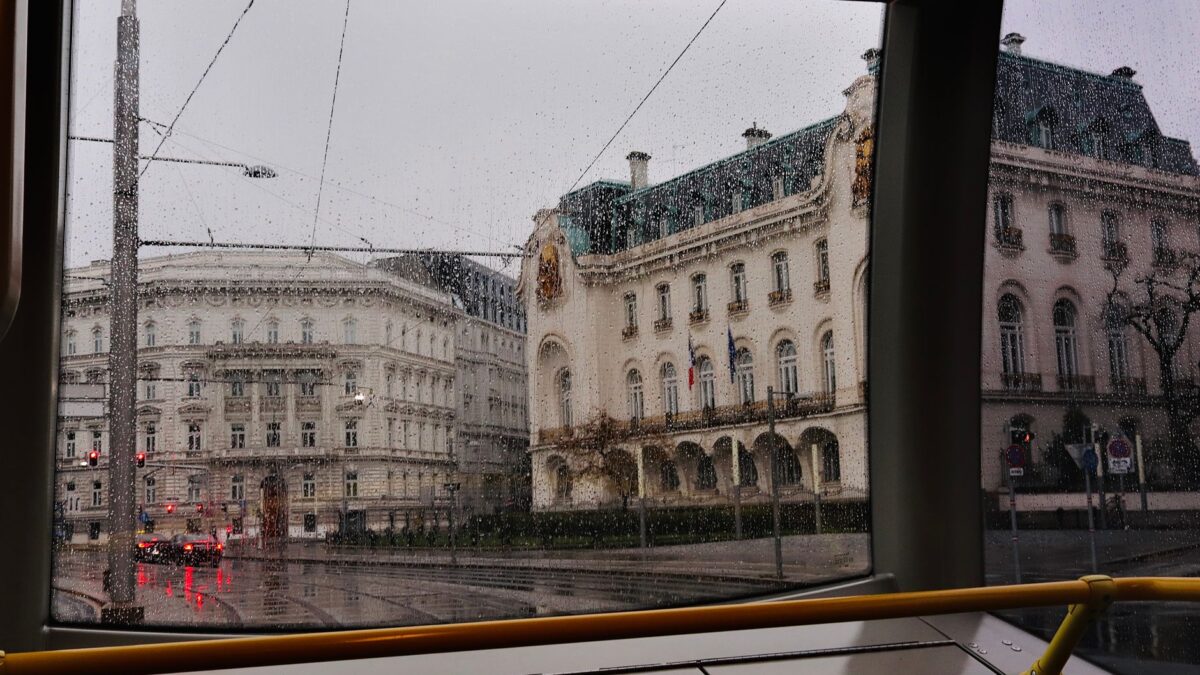
The first thing you notice about Vienna isn’t the coffee or the palaces; it’s the rhythm. There is a specific hum to this city, a low-frequency vibration generated by trams gliding over cobblestones and the distant thrum of trains beneath the Ringstrasse. As a local, I’ve learned that moving through Vienna efficiently is less about maps and more about trusting the pulse of the public transit system. Whether you are dodging the autumn chill during our goldener Herbst or hunting for roasted Maroni at the Heurigen, knowing how to navigate the streets is your best ticket to freedom.
The Metro, Tram, and S-Bahn: One System, One Zone
Forget the confusion of multiple operators in other capitals. In Vienna, Wiener Linien runs the show. The U-Bahn (subway), trams, and buses all operate under a single core zone called ‘Kernzone Wien’. This simplicity is a gift. You do not need to buy separate tickets for different modes of transport within the city limits. A single ticket gets you on the U1 from Stephansplatz to the Prater, then lets you hop off onto a tram without buying another pass.
The network is dense and reliable. The U6, for instance, is your lifeline to the north, while the U2 loops around the inner districts like a protective embrace. However, navigation requires a bit of current awareness. As of late September 2026, the S-Bahn Stammstrecke is closed between Wien Praterstern and Wien Hauptbahnhof due to major reconstruction. If you are heading to the airport, note that the CAT train is currently running as a bus replacement until roughly October 2027; otherwise, the S7 remains your most direct rail link. Also, keep an eye on tram line 49, which is shut down for track renewal between Huglgasse and Märzstraße. Don’t worry, though—lines 46 and 52 have been extended to cover the gap, so you can still reach those neighborhoods with minimal fuss.
Fares, Passes, and the New Pricing Reality
Vienna’s public transport has always been a model of affordability, but the landscape shifted slightly in January 2026. The single paper ticket price jumped from €2.40 to approximately €3.20. While that sounds like a small hike, it signals the end of the era where a daily commute cost just a euro. For short trips, a digital ticket via the free WienMobil app costs around €3.00, which is a sensible choice if you are only making one or two journeys.
If you plan to explore beyond the immediate center, consider a time-based pass. A 24-hour ticket runs about €10.20, and a 7-day pass is roughly €28.90. These are excellent value if you intend to visit Schönbrunn Palace in the west and the Naschmarkt in the south on the same day. For longer stays, the resident annual pass, known as the Jahreskarte WIEN, is now priced at approximately €467 for paper or €461 digitally. It is a significant investment, but for anyone living here, it pays for itself in weeks. Younger travelers under 26 can opt for the Jahreskarte Jugend for around €300, which replaced the old student semester ticket earlier this year.
For those traveling across the country after their Viennese stay, look into the KlimaTicket Ö. It covers all public transport in Austria for a year, costing roughly €1,400, making it easy to hop on a train to Hallstatt or Salzburg without worrying about individual fares.
Taxis, Ride-Hailing, and the Art of Walking
When the rain starts to fall—and early October often brings gray skies—you might consider a taxi. Vienna’s taxis are regulated and safe. A short trip, covering about 8 kilometers, will set you back approximately €14. Services like Freenow (formerly mytaxi) allow you to book via app, though traditional street hail is still very common. Uber exists but operates under stricter regulations than in other cities, so availability can vary.
That said, walking is often the superior choice. Vienna is compact. The historic center, the Innere Stadt, is entirely pedestrian-friendly. You can walk from St. Stephen’s Cathedral to the Hofburg in ten minutes. Even the boundaries of the 2nd District, Leopoldstadt, are manageable on foot if you take the path along the Danube Canal. Walking allows you to stumble upon the quiet courtyards of the MuseumsQuartier or find a hidden wine bar in the cobblestoned pocket of Spittelberg in the 7th District. It also gives you the chance to appreciate the architecture up close, from the Gothic spires of the Stephansdom to the wavy, colorful lines of the Hundertwasserhaus.
Navigating the Seasonal Shifts
Traveling in Vienna during the transition to autumn offers a unique charm. The days shorten, but the light turns golden and soft, perfect for photographing the Kaiserwiese at the Prater. Speaking of the Prater, the Vienna Kaiser Wiesn is currently in full swing, offering a festive atmosphere with alpine huts and beer tents right in the heart of the city. If you visit between October 1 and 22, you might even catch the Book Weeks in the Coffee House, where participating cafés give away thousands of free books alongside readings and the prestigious Vienna Crime Prize.
As you move through the districts, remember that Vienna is a city of layers. The 3rd District, Landstraße, offers the grandeur of the Belvedere Palace and Klimt’s ‘The Kiss’, while the 4th District, Wieden, provides a calmer vibe near the Freihausviertel design cluster. Further out, the 19th District of Döbling takes you into the vineyard hillsides of Grinzing, where you can taste Sturm, the young cloudy wine that marks the beginning of the harvest season.
Safety is rarely a concern in Vienna. Violent crime is low, and the city consistently ranks among the safest in the world. Your main vigilance should be directed toward pickpockets in crowded stations like Praterstern, especially late at night. If you do encounter an issue, dial 112 for general emergencies or 133 for the police. The locals are generally helpful, and the Wi-Fi coverage on trams and in many stations makes checking your route on the go seamless.
Ultimately, getting around Vienna is about letting the city guide you. Buy your ticket, tap your card, and listen to the announcements. Whether you are riding the U-Bahn to the Kunsthistorisches Museum or strolling past the Tiergarten Schönbrunn, you are part of the flow. Enjoy the ride, and don’t forget to stop for a Melange at a classic Kaffeehaus—it costs about €4.50 to €5.00, but it is worth every cent for the pause it gives you in the day.
Frequently asked questions
Is the S-Bahn or CAT train available to get to Vienna Airport?
The CAT train is currently operating as a bus replacement until approximately October 2027 due to infrastructure issues. The S7 train remains the primary rail link to the airport.
How much does a single ticket cost on Vienna public transport in 2026?
A single paper ticket costs approximately €3.20, while a digital ticket purchased via the WienMobil app is around €3.00.
Are there any major tram or metro closures I should know about?
Yes, tram line 49 is shut down for track renewal until late October 2026, with lines 46 and 52 covering its route. Additionally, the U6 skips Neue Donau station while it is modernized.
What is the best annual pass for residents or long-term visitors?
The Jahreskarte WIEN costs about €467 (paper) or €461 (digital). For travelers under 26, the Jahreskarte Jugend is available for approximately €300.
Is it safe to walk around Vienna at night?
Vienna is very safe with low violent crime. However, be cautious of pickpockets in busy tourist areas and stations like Praterstern late at night.


