

Getting around Yerevan: metros, taxis and passes
Yerevan does not reveal itself through the windshield of a car. It reveals itself in the pause between stops, when you step onto the pavement and the air smells of roasted chestnuts and damp stone. As someone who has navigated this city’s boulevards for years, I can tell you that getting around is less about logistics and more about rhythm. You are moving through a capital that is roughly 2,800 years old, where the skyline is framed by the snow-capped silhouette of Mount Ararat on clear days, and where the pace of life dictates your travel choices more than any map ever could.
The Metro: Your Fastest Route Through Time
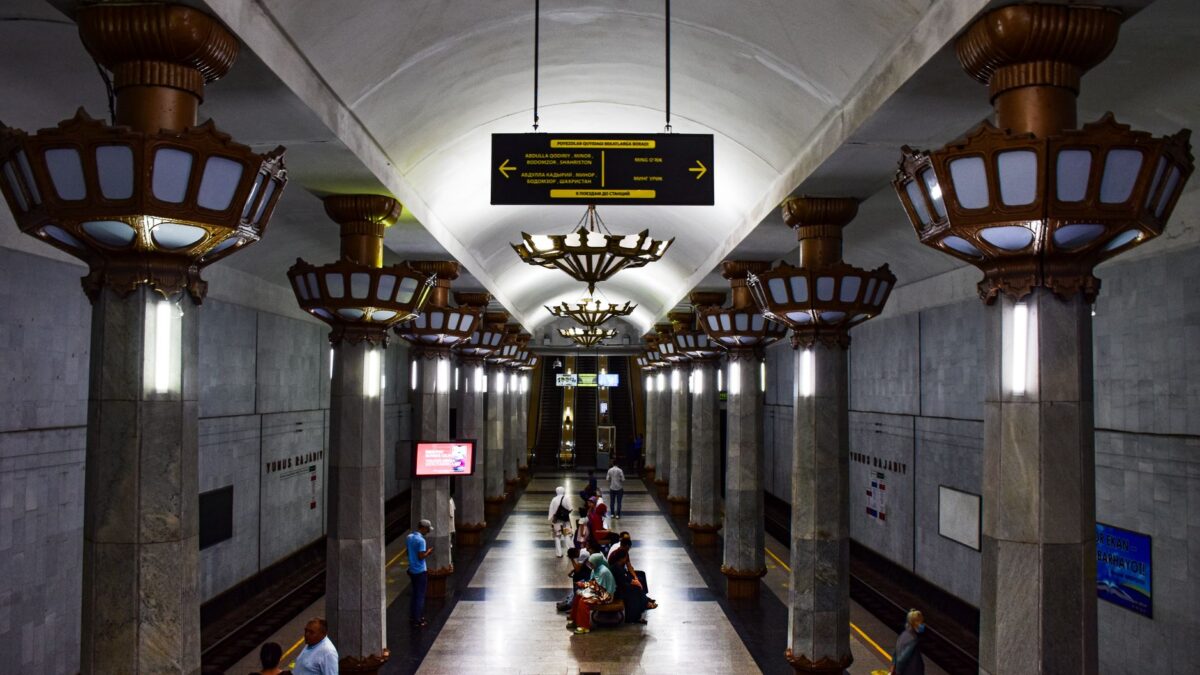
If you want to understand the skeleton of Yerevan, start with the metro. It is small—only three stations—but it is efficient, clean, and deeply atmospheric. The system connects the northern residential areas to the cultural heart of the city. You will likely use it to move from Barekamutyun station in Arabkir, a leafy, family-friendly district known for its bakeries along Komitas Avenue, down to Republic Square in Kentron.
The fare is straightforward: about 150 AMD (roughly $0.40) per ride. Since February 2025, cash is no longer accepted at the gates. You must validate a plastic transport card, use the TelCell Wallet app, or tap a contactless bank card. If you are staying for a while, the monthly unlimited pass costs around 9,000 AMD (about $23), which is an absolute bargain compared to European cities. A single ride is cheap enough that you won’t miss the cash, but the digital requirement is strict; paper QR tickets were dropped last year, so ensure your phone is charged and your app is ready before you descend into the underground.
Buses, Trolleybuses, and the Cashless Transition
The metro covers the central axis, but to reach the sprawling western districts like Ajapnyak or the newer Davtashen blocks across the Hrazdan River, you need the bus network. Yerevan’s buses are modern, air-conditioned, and generally punctual. Like the metro, they operate on a unified cashless system. Whether you are riding a bus, trolleybus, or the metro, the single ride fare remains about 150 AMD.
For tourists, the most convenient option is often the 180-minute multi-ride pass available via the TelCell Wallet app for approximately 280–300 AMD. This allows you to hop between modes of transport within three hours—a perfect strategy for a day exploring the Cascade Complex and then walking down to the Opera House. If you prefer physical cards, you can top them up at designated kiosks or via the transport.yerevan.am portal. Note that there is a specific 500 AMD fare for the direct shuttle to Zvartnots Airport, so keep a separate card or sufficient app balance if you are heading straight to the terminal upon arrival.
Taxis and Ride-Hailing: Safety First
While the public transit network is robust, Yerevan is also a city of cars. For many locals, especially those living in outlying districts like Nor Nork or Avan, taxis are a daily necessity. However, as a visitor, you must be selective. Street-hailing unmarked taxis is risky; drivers may not use meters, and prices can be inflated for foreigners. Instead, download GG or Yandex Go. These apps work reliably in Armenia, provide upfront pricing, and offer a layer of safety through driver verification.
A short ride across town might cost you 1,000–1,500 AMD (around $3–$4), comparable to the price of a shawarma wrap from a street vendor. During peak hours or when rain showers hit—which are common in early November as temperatures drop to around 9°C—prices surge. If you are heading to major events, such as the Silicon Mountains Summit near Paronyan Street or concerts at the Arno Babajanyan Hall, expect higher demand. Always check the app estimate before confirming, and avoid negotiating fares verbally; let the algorithm handle it.
When Walking Beats All Other Options
This is the secret to enjoying Yerevan: walk. The city center, or Kentron, is compact and designed for pedestrians. From Republic Square, you can stroll up Northern Avenue to the Cascade Complex, a monumental stairway adorned with contemporary art and offering panoramic views. From there, it is a short walk to the Matenadaran, home to ancient manuscripts, or down to the Vernissage market, where artisans sell everything from traditional khachkar stones to hand-woven carpets.
Walking allows you to notice the details: the warm pink tuff stone of the buildings, the plane trees turning gold along the boulevards, and the stacks of persimmons and pomegranates in the markets. In the evenings, as the chill sets in, head to Pushkin Street for dinner. A meal at a mid-range restaurant will cost you about 6,000–12,000 AMD (roughly $23) per person, but the experience of dining al fresco, even in autumn, is worth the walk. If you get tired, a cup of specialty coffee at a place like Altar Coffee or Vibe costs around 700–1,200 AMD ($2.40) and provides a perfect rest stop.
Practical Tips for the Modern Traveler
Before you arrive, note that citizens from the US, EU, UK, and many other countries enter visa-free for up to 180 days. If you hold a valid US/EU/Schengen residence permit, you also enjoy visa-free entry until July 2027. Upon arrival, grab a prepaid SIM card from VivaCell-MTS, Ucom, or Team Telecom at the airport; you will need your passport for registration, and having data is essential for navigating the ride-hailing apps mentioned above.
Currency is the Armenian dram (AMD). While credit cards are widely accepted in hotels and upscale restaurants, carrying some cash is useful for smaller cafes, markets, and tips. ATMs dispense local currency easily, and domestic cards using the ArCa network are common. Be aware that rents have climbed since 2022, with a modest one-bedroom in the center costing around 250,000–290,000 AMD ($690) monthly, reflecting the city’s growing appeal. But for visitors, the cost of living remains low: a loaf of bread is about 300 AMD, and a local beer in a pub is roughly 800–950 AMD ($1.70).
Yerevan is safe, with low crime rates, but traffic can be chaotic. Respect the flow of vehicles, and never assume a car will yield to a pedestrian in busy intersections. By combining the efficiency of the metro, the convenience of app-based taxis, and the intimacy of walking, you will find that moving through this ancient yet vibrant city is not just a necessity—it is part of the journey.
Frequently asked questions
How much does a single metro or bus ride cost in Yerevan?
A single ride on the metro, bus, or trolleybus costs about 150 AMD (roughly $0.40). Payment is cashless only; you must use a transport card, the TelCell Wallet app, or a contactless bank card.
Can I pay for Yerevan public transport with cash?
No. As of February 2025, all public transport uses a unified cashless system. Paper QR tickets were discontinued in August 2025, so you must validate a digital or plastic card.
What is the best way to book a taxi in Yerevan?
Use ride-hailing apps like GG or Yandex Go. They provide fixed prices and driver details, avoiding the risk of unlicensed drivers or meter disputes common with street-hailed cabs.
Is there a monthly pass for unlimited travel in Yerevan?
Yes. An unlimited 30-day transit pass costs approximately 9,000 AMD (about $23), making it highly affordable for long-term stays or intensive sightseeing.
Do I need a visa to visit Yerevan for tourism?
Citizens of the US, EU, UK, and many others can enter visa-free for up to 180 days per calendar year. Holders of valid Schengen or US residence permits also enjoy visa-free entry until July 2027.
Things to do in Armenia
 Private 6-7 hour Tsaghkadzor, Kecharis, Lake Sevan, Sevanavank Tour from Yerevan
 Balloon ride Skyball
 Private 8-9-hour Echmiadzin, Zvartnots, Garni and Geghard trip from Yerevan
 Private tour to Hin Areni winery, Tatev monastery & ropeway, Khndzoresk caves
 Yerevan Private Walking Food Tour
 Private tour to Garni Pagan Temple, Geghard Cave Monastery & Symphony of Stones