

How much does a trip to Philippines cost?
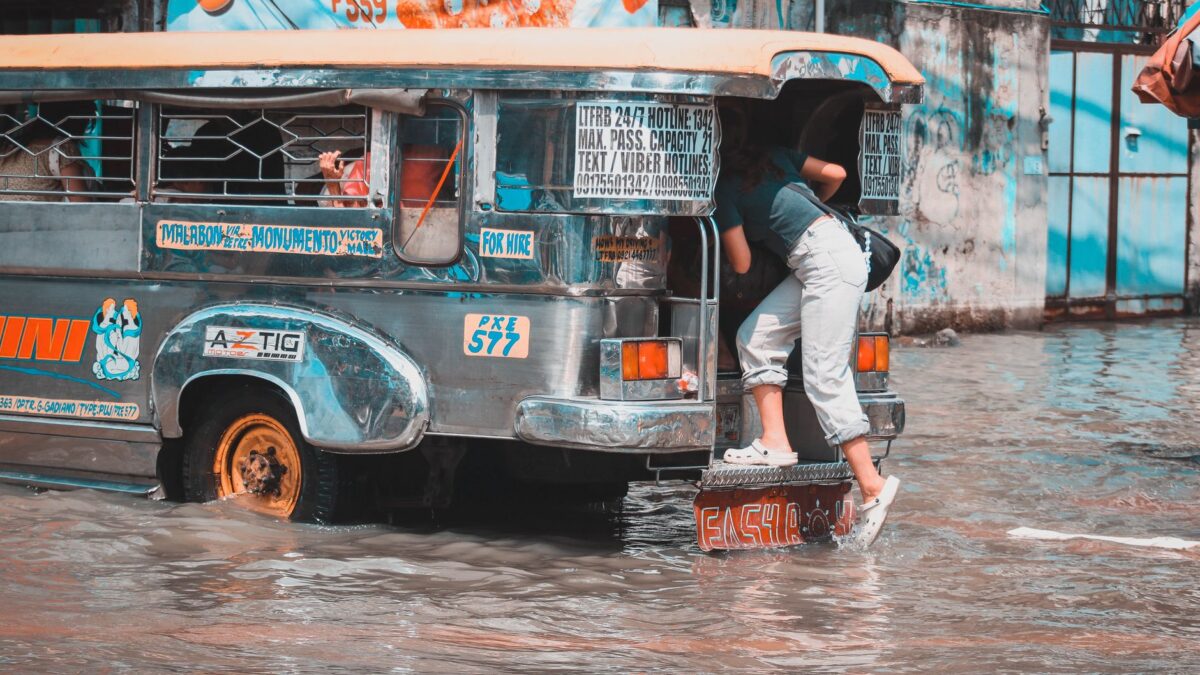
The humidity in Manila doesn’t just sit on you; it wraps around your shoulders like a wet towel. It is late October, the tail end of the wet season, and the air feels heavy—26 to 33 degrees Celsius, but with that oppressive ‘feels like’ 40°C heat that makes your shirt stick before you’ve even left the airport. As I watch the light drizzle mix with the city’s usual haze outside my window, I’m thinking about what it actually costs to live and travel here right now. You might be planning a quick stopover or a deeper dive into the archipelago, but let’s start where most journeys begin: Metro Manila.
The Reality of Daily Spending
Manila is surprisingly affordable compared to other Southeast Asian capitals, but prices have shifted recently. The most noticeable change hit public transport hard in September 2026. A traditional jeepney ride for the first four kilometers now costs around ₱14 (roughly $0.25 USD), up from previous lows. Modern jeepneys run closer to ₱17. If you are using the rail system, you are currently lucky—the government has kept an indefinite 50% discount on MRT-3 and LRT-2 fares since March 2026. A single journey ticket runs between ₱6.50 and ₱14 depending on distance. For most travelers, this means getting around the massive sprawl of EDSA and Taft Avenue is nearly free.
Eating is where you can stretch your peso further or drain it quickly, depending on your choices. A meal at an inexpensive local eatery—think a plastic stool under a tin roof serving adobo or sinigang—will set you back about ₱330 (around $6). This is real food, not tourist fare. If you head to a mid-range restaurant for a three-course meal for two, expect to pay roughly ₱1,500 ($26). Even a simple cup of coffee at a specialty spot like U ME KAPE near Taft Ave will cost around ₱130 ($2.30). The cost of living here is anchored by the fact that a modest city-center one-bedroom flat rents for about ₱33,900 a month, which is close to the average net monthly salary. This keeps the baseline cost of being a visitor relatively low.
Accommodation and Districts
Your budget largely depends on where you sleep. Manila is not a single city but a collection of districts with very different vibes. If you want the colonial heart, look at Intramuros. Here, you walk within 3km of stone walls built in 1571. You can stay at places like Pension Natividad or Casa Bocobo Hotel, which offer character but require you to embrace the history—and the heat. For a more modern experience, Bonifacio Global City (BGC) in Taguig is the default landing spot for expats and new arrivals. It is walkable, mural-covered, and filled with trendy bars, though prices reflect its status as a planned district.
If you are watching your wallet, Ermita and Malate remain the old ‘tourist belt.’ Along Roxas Boulevard and Adriatico, you will find budget-to-mid hotels like Pacific Bay Grand Suites or RedDoorz options. These areas put you next to Rizal Park and the bayfront sunsets, but they also feel older and grittier. Quiapo is another option if you are brave; home to the Minor Basilica of the Black Nazarene and the chaotic Quiapo market, it is intense but deeply authentic. Safety varies wildly by district: BGC, Makati, and Ortigas are well-lit and walkable. In Quiapo, Divisoria, and Binondo, keep your bags zipped and your phone out of sight. Pickpocketing is the main risk in these crowded hubs.
Attractions and Hidden Costs
Many of Manila’s best sights are free, which helps balance the budget. The National Museum Complex, located around Rizal Park, features three neoclassical museums: Fine Arts, Anthropology, and Natural History. You can stand beneath the glass ‘Tree of Life’ atrium or view Juan Luna’s monumental ‘Spoliarium’ without spending a cent. Fort Santiago, the citadel where José Rizal spent his last night before execution, charges an adult entry fee of ₱75. San Agustin Church, the oldest stone church in the Philippines and the only building in Intramuros to survive World War II intact, is also a UNESCO site worth visiting.
However, some experiences require booking and budgeting. With All Saints’ Day (Undas) approaching on November 1st, many locals are heading to cemeteries or provincial trips, which affects availability. Meanwhile, specific events are drawing crowds. Intramuros is hosting ‘Intramumu,’ a Halloween street party on Magallanes Drive with DJ sets and costume contests from October 31st through November 1st. Newport World Resorts is running an Oktoberfest event in their ballroom, and Okada Manila has a Grand Halloween Carnival. Masungi Georeserve in nearby Rizal offers ‘After Hours’ night trails, but these are bookable slots, not walk-ups, so plan ahead. If you get caught in the sudden heavy thunderstorms common in late October, remember that flash-flood warnings are real. Allow extra time for transit, as traffic can freeze completely.
Practical Money Matters
You do not need to carry large amounts of cash. Digital wallets like GCash and Maya handle most daily payments, from street food to mall purchases. However, setting these up requires a Philippine number, so buy a prepaid SIM from Globe, Smart, or DITO upon arrival. Remember that every SIM must be registered with a valid ID, so go to an official store rather than buying from a sidewalk stall. For larger transactions or banking, BDO Unibank and BPI are the most foreigner-friendly options, though you will likely need an Alien Certificate of Registration (ACR I-Card) if you stay past 59 days.
Visa-free entry for most Western and ASEAN passports lasts 30 days under Executive Order 408. Extensions are available at the Bureau of Immigration office on Magallanes Drive in Intramuros, costing around ₱3,030 for the first waiver. Always file your eTravel registration online within 72 hours of arrival. When moving around, use the Grab app for taxis; it is safer and more reliable than hailing unmarked cars off the street. The ‘beep’ card is essential for trains and buses, available at station booths. By keeping your transport cheap, eating local, and leveraging the free cultural institutions, you can explore Manila comfortably without breaking the bank.
Frequently asked questions
How much does a meal cost in Manila?
A meal at an inexpensive local eatery costs around ₱330 ($6), while a three-course mid-range restaurant meal for two is approximately ₱1,500 ($26).
Is public transport expensive in Manila?
No. Thanks to a 50% discount on rail fares until further notice, single-journey tickets cost between ₱6.50 and ₱14. Jeepney fares start at ₱14.
Do I need a visa for Manila?
Most Western, ASEAN, Japanese, Korean, and Latin American passport holders enter visa-free for 30 days. You must have a passport valid for 6+ months and an onward ticket.
What is the best way to pay in Manila?
Digital wallets GCash and Maya are widely used for daily payments. Cash is still needed for small vendors, but credit cards work in malls and mid-range restaurants.
Are there any safety concerns in Manila?
Stick to well-lit areas like BGC, Makati, and Ortigas at night. In crowded districts like Quiapo and Binondo, be vigilant against pickpockets and avoid unmarked taxis.
Things to do in Philippines
 Immerse in Culture: Villa Escudero Coconut Plantation Experience
 Cebu Walking Tour — History, Culture & Local Food Experience
 Cebu: Scuba Diving Experience beach entry in Mactan
 Bohol Full Day Waterfall & Countryside Scooter Tour
 Viva Old Manila! : Intramuros Walking Tour
 Customize Private Morocco Tours