
Israel in September 2026: what travelers should know now
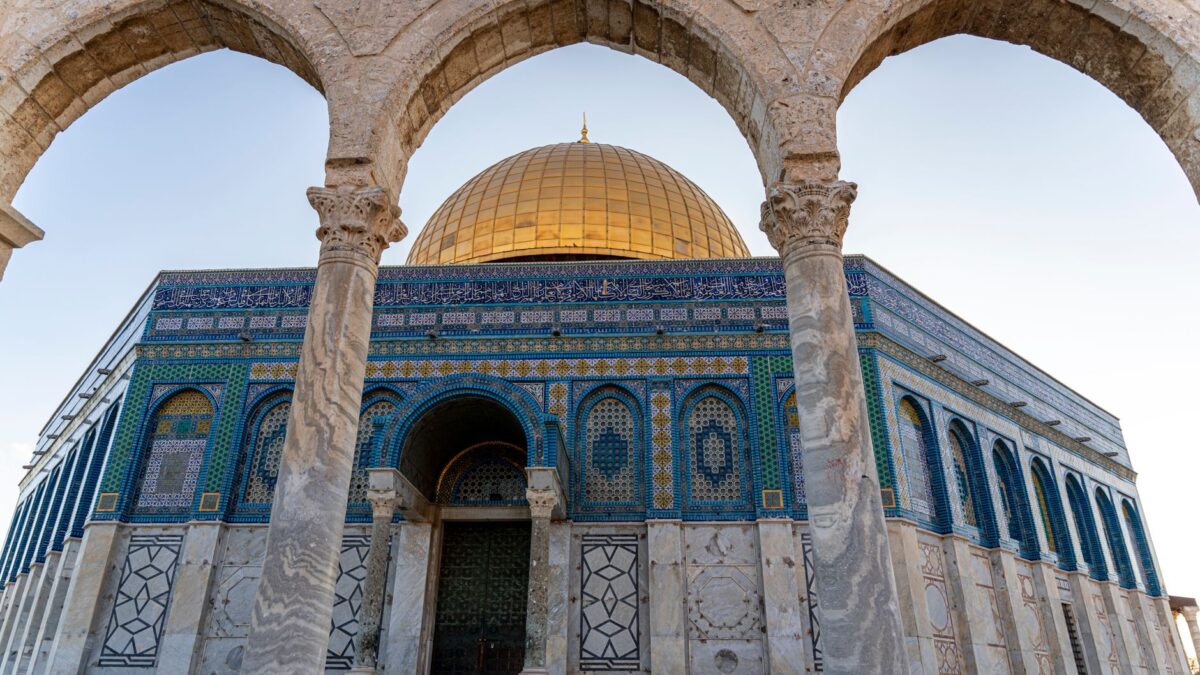
September in Jerusalem feels like holding your breath before the storm—or the holiday. The air is still thick with the dust of a long, dry summer, but there’s a shift in the light now. Figs are ripening on the branches along Emek Refaim, and pomegranates are beginning to show their crimson blush in the markets. It is that specific time of year when the city transitions from the lethargic heat of August into the frantic energy of autumn. As you plan your arrival for September 2026, know that this month is a tapestry of cultural vibrancy and logistical friction. The weather is forgiving, the festivals are lively, but the infrastructure is currently undergoing some significant growing pains.
The Seasonal Rhythm: Heat, Harvest, and Holiday Prep
Right now, as of mid-September, the thermometer in Jerusalem hovers between a comfortable 18°C at night and a warm 30°C during the day. The forecast remains mainly clear with light breezes from early morning until evening. For packing, this means layers are essential. You will need lightweight cottons for the midday sun, but a light jacket or sweater is non-negotiable for the evenings, especially if you are dining outdoors in the German Colony or wandering the stone alleys of Nachlaot.
This is not peak tourist season in the traditional sense, nor is it the quiet winter lull. It is a shoulder period charged with anticipation. Residents are already shopping for the upcoming High Holy Days (Rosh Hashanah and Yom Kippur), which typically fall in late September or early October depending on the lunar calendar. You will notice shops filling up with seasonal goods, and the general mood is one of preparation. Prices for accommodation remain high—Jerusalem is consistently one of Israel’s most expensive cities—but you might find slightly better availability than in the spring holidays, provided you book ahead.
Current Events: Dance, Art, and Construction Chaos
If you are visiting this month, you have two major cultural anchors to build your itinerary around. First, the 5th Jerusalem International Solo Dance Festival (JISDF) is taking place from September 15–19. This event brings 17 solo artists from 11 countries to intimate venues like Hansen House and the Greek House. It is a fantastic opportunity to see world-class performance art in historic settings, away from the usual tourist crowds.
Second, the Bezalel Arts & Crafts Fair returns to the pedestrian walkways from September 4–25. This is a great spot to browse handmade ceramics, textiles, glass, and metalwork from both established masters and emerging students at the Bezalel Academy. It adds a vibrant, tactile layer to the city’s visual culture.
However, you must be aware of the current construction reality. The light-rail Blue Line works have turned Emek Refaim, the heart of the German Colony, into a chaotic zone of ditches and detours. King George and Strauss Streets are closed to cars, which has badly disrupted bus routes and school commutes. If you plan to visit the famous cafes and boutiques along Emek Refaim, expect longer walking times and potential access issues. The area is still worth exploring for its Templar-era architecture, but navigate with patience. The Red Line rail remains operational, connecting Mount Herzl to Pisgat Ze’ev via Mahane Yehuda and Jaffa Road, so use that as your primary transit spine.
Practicalities: Costs, Connectivity, and Entry
Let’s talk money, because Jerusalem bites hard on the wallet. The new Israeli shekel (ILS) is currently trading at approximately 3.7 to the US dollar. Inflation is hovering around 3.0%, which keeps prices relatively stable but certainly not cheap. A modest one-bedroom flat in the city centre rents for about ₪4,500–6,500 monthly, reflecting the city’s premium status. For travelers, daily costs add up quickly.
You can grab a falafel or sabich in pita for street-side sustenance for roughly ₪18–30 ($6). A full plate of hummus with pita and falafel in the Old City or near the shuk will run you around ₪35–70 ($14). Shawarma in pita sits at ₪25–45 ($9). If you are staying in a mid-range hotel or guesthouse, budget for ₪450–800 ($170) per night. Renting outside the centre drops the price to around ₪3,000–5,000 ($1,080) monthly, but you lose the walkability that makes Jerusalem magical.
Entry requirements have simplified slightly. If you are from the US, UK, Canada, EU, or Australia, you need an ETA-IL (Electronic Travel Authorization) applied for online at israel-entry.piba.gov.il for a fee of NIS 25. It allows stays up to 90 days and is valid for about two years. Your passport should be valid for six months beyond your arrival date. Note that Israel no longer stamps passports; you will receive a blue entry slip, which is helpful if you plan to travel to other countries with strict entry policies regarding Israeli stamps.
For connectivity, grab a prepaid SIM from Pelephone, Cellcom, or Partner at Ben Gurion Airport or any phone shop. You’ll need your passport. Israel uses 230V power with type C/H plugs. For local transport, buy a Rav-Kav smart card at the Central Bus Station or top up via the ‘Rav-Pass’ app. Remember, service stops completely from Friday afternoon until Saturday after sundown due to Shabbat. Plan your meals and shopping accordingly.
Safety, Sentiment, and Neighborhood Notes
Jerusalem is generally safe for visitors, but the mood is tense. The political landscape is heavily securitized, with ongoing debates over Jerusalem’s final status and recent court decisions regarding settlement tenders in the E1 area. There have been reports of curfews and raids in areas like Shuafat and Anata, northeast of the city. While these events rarely directly impact tourists in the central districts, it is wise to stay informed and avoid large political gatherings or protests.
Navigate the Old City cautiously after dark, particularly around prayer sites on Friday afternoons. Stick to the well-trodden paths. When choosing where to stay, consider the vibe of the district. Rehavia offers a leafy, scholarly charm with early-20th-century garden suburbs. Nachlaot is bohemian and maze-like, bordering the Mahane Yehuda market. Ein Kerem provides a village-like escape with cobbled lanes and galleries. For luxury, look toward Talbiya or Yemin Moshe, the picturesque quarter below the Old City walls.
As you walk through the city, remember its layered history. East Jerusalem was reunified with West Jerusalem in 1967, a defining moment commemorated annually as Jerusalem Day. The city’s arts scene, anchored by the Bezalel Academy and the Israel Museum, thrives despite the politics. Nearby nature spots like the Gazelle Valley offer a respite, where wild mountain gazelles roam in an urban park setting.
In the coming weeks, keep an eye on the weather forecasts for any sudden shifts, and check the schedules for the dance festival and arts fair. Jerusalem in September is a city of contrasts—ancient and modern, serene and chaotic, hot and cool. Embrace the complexity, pack for the temperature swings, and enjoy the figs while they last.
Frequently asked questions
What is the weather like in Jerusalem in September 2026?
Expect warm, mainly clear days with temperatures ranging from 18°C at night to 30°C during the day. Pack light clothes for the day and a light jacket for the cooler evenings.
Are there any major events happening in Jerusalem this month?
Yes, the 5th Jerusalem International Solo Dance Festival runs from September 15–19, and the Bezalel Arts & Crafts Fair is open from September 4–25.
Is public transport running normally in Jerusalem right now?
The Red Line light rail and Egged buses operate, but the Blue Line construction has severely disrupted traffic and bus routes in the German Colony (Emek Refaim) area. Service stops completely during Shabbat.
How much does a meal cost in Jerusalem in September 2026?
Street food like falafel or shawarma costs around ₪18–45 ($6–$9). A fuller meal like hummus with sides is approximately ₪35–70 ($14).
Do I need a visa to enter Israel for a short trip in 2026?
Citizens of visa-exempt countries (US, UK, EU, etc.) need an ETA-IL applied for online for NIS 25, allowing stays up to 90 days. Passports must be valid for 6 months beyond arrival.
Things to do in Israel
 Best seller! Jerusalem old city four quarters tour
 Likely to sell out
Private Tour Jerusalem Old City
Likely to sell out
Private Tour Jerusalem Old City
 JERUSALEM private tour with ELAD VAZANA - Life in Israel & Palestine Then & Now
 Walking Tour of Akko (Half-day)
 In the Footsteps of Jesus: Nazareth and the Sea of Galilee
 Rappelling Down the Ramon Crater Cliff