

Moving to Armenia: visas, banking and SIM cards
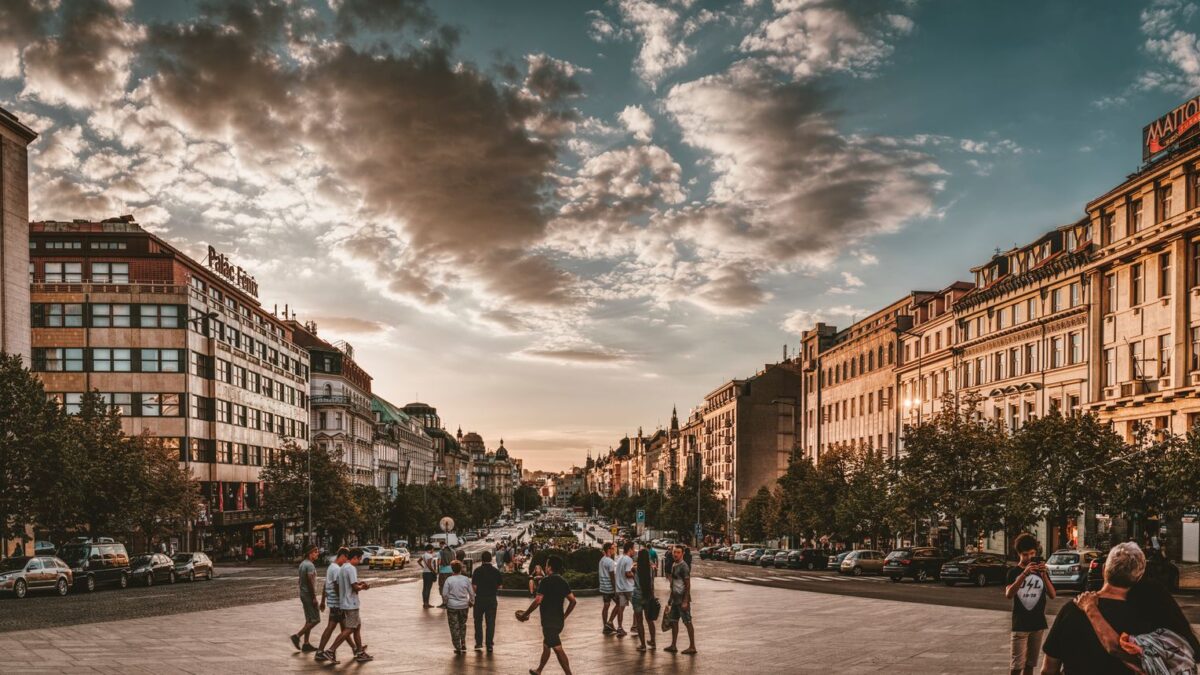
The first thing you notice is the light. Even in mid-November, when the sky hangs low and grey over the Ararat valley and the air carries that familiar early-winter haze, Yerevan glows with a soft, rose-gold warmth. It’s the tufa stone of Republic Square catching the weak afternoon sun, or the steam rising from a street-corner lahmajun stand as you hurry toward your new flat in Kentron. Moving here feels less like crossing a border and more like stepping into a long conversation you’ve been waiting for. But before you can settle into that rhythm—before you can navigate the metro queues at Garegin Nzhdeh or find your way to the best coffee in Arabkir—you need to sort out the basics. Here is how I set up my life here, week by week.
Getting In: Visas and Registration
For many of us coming from the West, Armenia is surprisingly open. If you hold a passport from the US, UK, EU, Japan, Korea, Australia, or several Gulf states, you likely do not need a visa to enter. You get 180 days within a year, visa-free. It is generous, but there is a catch: it is not extendable, and you cannot reset the clock by popping across the border. If you plan to stay longer, or if your passport doesn’t qualify, you will need an e-visa through evisa.mfa.am. A 120-day tourist visa runs roughly 15,000 AMD (about $38), which is reasonable compared to European Schengen fees.
There is also a temporary scheme running from July 2026 to July 2027 for nationals of 111+ countries who already hold a valid US, EU, Schengen, or GCC residence permit. If you fit this category, check the portal immediately.
Once you are in, registration is key. If you stay past your visa-free allowance, you must apply for a temporary residence permit through the Migration and Citizenship Service via e-request.am. Start early; queues can run for months. Once approved, you register your address. This process gives you your social card number, which becomes your golden ticket for everything else: banking, SIM registration, and discounted public transit. Without it, you are just a visitor. With it, you are a resident.
Banking: The Digital and Physical Flow
Yerevan is cashless-friendly, but not entirely. You still need a local account for rent, utilities, and proving your address to the state. The banks residents actually use are Ameriabank, Ardshinbank (which absorbed HSBC Armenia), ACBA Bank, Inecobank, Evocabank, Unibank, and VTB Armenia. For a newcomer, Ameriabank and ACBA are often the most expat-friendly due to their English-language apps.
To open an account, you will need your passport, your social card number, and proof of address. A notarized lease contract is commonly requested, so make sure your landlord provides one. If you have a residence permit, the process is smooth. Without it, some banks may limit you to basic accounts or refuse service altogether. Cards run on the domestic ArCa network, and while Visa/Mastercard work internationally, day-to-day life leans on the Idram and TelCell wallets for quick payments, utility bills, and top-ups. Keep some cash on hand for the occasional vendor who doesn’t accept QR codes, but rely on the app for the rest.
SIM Cards and Connectivity
You will want a local number from the moment you land. There are three main operators: Viva (VivaCell-MTS), Ucom, and Beeline (Team Telecom Armenia). You can buy a prepaid SIM at Zvartnots Airport upon arrival, or visit any brand store in the city. All SIMs are registered to your passport, so bring it with you. Both Viva and Ucom offer eSIMs, which is convenient if you have a compatible phone.
Top-ups are easy via scratch cards, the operator’s app, or terminals found in almost every shop. Data is cheap and reliable. I use Ucom for its consistent coverage in the hills of Nork-Marash, where signal can sometimes dip. For voice calls, international rates are standard, but local minutes are negligible. Don’t bother with an international roaming plan; switch to a local SIM on day one.
Daily Setup: Transit and Neighborhoods
Yerevan’s transport system unified in February 2025, making navigation simpler but requiring upfront setup. You cannot buy paper tickets anymore; they were abolished in August 2025, and metro ticket offices closed in January 2026. You need the Yerevan transport card (500 AMD refundable deposit), the TelCell Wallet app, or a contactless bank card registered at transport.yerevan.am.
A single ride on the bus, trolleybus, or metro costs 150 AMD (about $0.40). For unlimited travel, a 30-day pass is around 9,000 AMD (approx. $23). Top up in advance, as activation can take a few minutes. Note that the Yerevan metro is currently short of working trains, causing crowding during rush hours, so allow extra time if you commute between Arabkir and Kentron.
Choosing where to live depends on your lifestyle. If you want walkability, cafes, and co-working spaces, Kentron (Center) is the place, though rents are highest. For families seeking calm, Arabkir along Komitas Avenue offers leafy streets and a 10–15 minute ride downtown. Davtashen is newer and wider but car-dependent. Nor Nork offers space and value near the Botanical Garden, while Shengavit and Erebuni are the cheapest options, steeped in history and industry. Avoid Nork-Marash if you dislike hills; the views are premium, but so are the stairs.
Living Well: Costs and Safety
Yerevan is still affordable by European standards, but prices have drifted up. A modest furnished one-bedroom in an outer district costs around 200,000 AMD (approx. $510) per month, while central flats approach 300,000 AMD. Eating out is pleasant and cheap: an inexpensive meal is about 4,000 AMD ($10), and a three-course dinner for two at a mid-range restaurant runs 18,000–19,000 AMD (approx. $45). A cappuccino is roughly 1,340 AMD ($3), and a local draft beer is around 1,000 AMD ($2.50).
Safety is generally high. Street robbery and violent crime are rare, and walking at night in Republic Square or near the Cascade is normal. However, traffic is aggressive, and pavements can be uneven. Use the Yandex Go or GG apps for taxis rather than hailing cabs on the street, which avoids unlicensed drivers and inflated fares. For emergencies, dial 911.
In your first week, you might find yourself standing in line at the Migration Service, then rushing to Ameriabank, only to end up tired but exhilarated at Vernissage Market on a Saturday morning. That is the rhythm here. It is chaotic, warm, and deeply human. Welcome to Yerevan.
Frequently asked questions
Do I need a visa to move to Armenia?
Citizens of the US, UK, EU, Japan, Korea, Australia, UAE, Qatar, and many others enter visa-free for up to 180 days within a year. Others should apply for an e-visa via evisa.mfa.am.
How much does it cost to open a bank account in Yerevan?
Opening an account is typically free, but you need a passport, social card number, and proof of address (often a notarized lease). Residence permits make the process smoother.
What is the best way to pay for public transport in Yerevan?
Use the TelCell Wallet app, a registered contactless bank card, or a physical Yerevan transport card. Paper tickets were abolished in 2025.
How much does a monthly transit pass cost?
An unlimited 30-day pass for buses, metro, and trolleybuses costs approximately 9,000 AMD (about $23).
Things to do in Armenia
 Private 6-7 hour Tsaghkadzor, Kecharis, Lake Sevan, Sevanavank Tour from Yerevan
 Balloon ride Skyball
 Private 8-9-hour Echmiadzin, Zvartnots, Garni and Geghard trip from Yerevan
 Private tour to Hin Areni winery, Tatev monastery & ropeway, Khndzoresk caves
 Yerevan Private Walking Food Tour
 Private tour to Garni Pagan Temple, Geghard Cave Monastery & Symphony of Stones