

Moving to Philippines: visas, banking and SIM cards
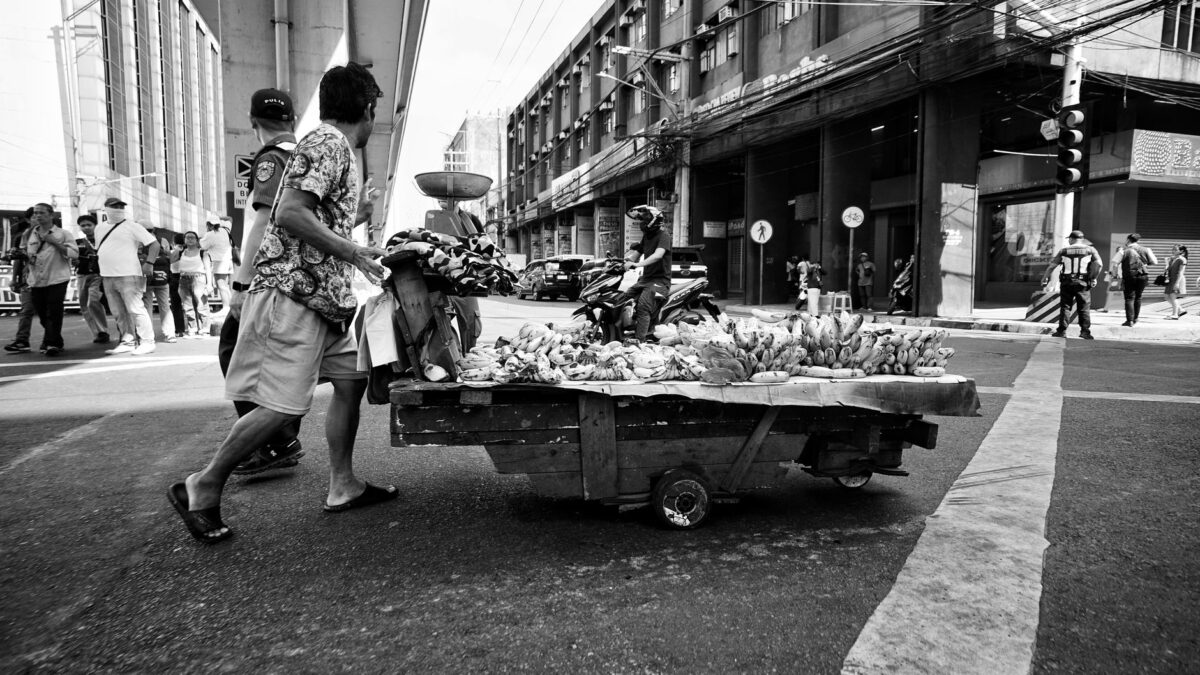
The humidity hits you first—a warm, wet blanket that tells you Manila isn’t just a city, it’s a climate. As you step out of NAIA Terminal 3 into the drizzle, your phone buzzes with notifications from home and a data warning. The air smells like exhaust, frangipani, and impending rain. This is the hinge between the wet season and the *amihan*, where Christmas carols already drift from mall speakers while thunderheads brew over the bay. If you are here to stay, the chaos of arrival needs to be tamed quickly. You aren’t just visiting; you are setting up a life in a city that runs on resilience, bureaucracy, and sheer volume. Here is how you survive the first week without losing your mind or your money.
1. The Visa Reality: Don’t Let Your Clock Run Out
Your journey begins at immigration. If you hold a Western, ASEAN, Japanese, Korean, or Latin American passport, you likely walked through visa-free for 30 days under Executive Order 408. But thirty days vanishes faster than a taxi during rush hour. To extend this, you must file an eTravel registration at etravel.gov.ph within 72 hours of arrival—it’s free, but mandatory. Without it, you cannot clear customs or exit later.
If you plan to linger beyond a month, head to the Bureau of Immigration (BI) main office on Magallanes Drive in Intramuros. The first waiver extension bumps you to 59 days for about ₱3,030. After that, extensions run roughly ₱2,430 to ₱4,900 per session. There is a hard cap: 36 months for visa-exempt nationals. If you want stability, look into the Long-Stay Visitor Visa Extension (LSVVE), which costs around ₱11,500–₱13,900 for six months. Note that Brazil and Israel citizens get 59 days initially, while Hong Kong/Macau SAR holders only get 14.
Critical rule: If you stay past 59 days, you trigger the requirement for an ACR I-Card (Alien Certificate of Registration). This US$50 card is your lifeline. Without it, you are legally a “non-resident alien” in the eyes of banks and landlords. You will need this card to open accounts, sign leases, and eventually file the BI Annual Report between January 1 and March 1 (approx. ₱310). For less crowded processing, consider the BI satellite office at Robinsons Galleria Ortigas rather than fighting the crowds in Intramuros.
2. Banking: The ACR Card Is Your Key
You cannot simply walk into any bank and expect seamless service without proper documentation. The golden ticket is that ACR I-Card. With it, plus your passport, proof of address (a lease or utility bill), and a Tax Identification Number (TIN)—which employers or banks can help you apply for—you become a resident account holder.
Without the ACR card, most banks will limit you to a USD savings account, which is painful when you are paying rent in pesos. If you have the card, BPI (Bank of the Philippine Islands) is often regarded as the most foreigner-friendly with superior online banking. BDO Unibank has the most branches (over 1,400), but if you prefer a modern interface, UnionBank and Security Bank are excellent choices. Metrobank is another solid option.
For deposits, aim for a modest starting balance. BDO’s ATM savings account requires about ₱2,000 minimum, while passbook accounts may ask for ₱10,000. All deposits are insured by PDIC up to ₱1 million per depositor per bank. Visit branches in Makati (Salcedo/Legazpi area) or Bonifacio Global City (BGC) where staff are accustomed to handling foreign files. Avoid the temptation to keep large cash sums; use digital wallets instead.
3. Connectivity: SIM Cards and Digital Wallets
In Manila, if you don’t have a local number, you don’t exist. Your PH number is required to set up GCash or Maya, the two digital wallets that power daily transactions. From street food to Grab rides, cash is increasingly optional. However, the SIM Registration Act (RA 11934) is strict. Do not buy prepaid SIMs from sidewalk stalls. You must go to an official Globe or Smart store with your passport to register the SIM in real-time.
Globe and Smart offer robust coverage, especially in business districts like Makati, BGC, and Ortigas. Signal can be patchy in older parts of Tondo or Quezon City. DITO is also an option, but ensure you buy from authorized dealers. Once registered, grab an eSIM or tourist data pack if you prefer flexibility. Remember: your local number is the bridge to financial inclusion via GCash/Maya. Without it, you are stuck carrying cash, which is risky in crowded areas like Quiapo or Binondo.
4. Living Costs and Transit Logistics
Manila remains affordable by regional standards, but costs are shifting. A modest one-bedroom flat in the city centre rents for about ₱33,900 monthly (roughly $590), with typical ranges between ₱24,000 and ₱50,000. Outside the centre, you might find places for around ₱17,700. This sits close to the average net monthly salary of ₱30,000, so budgeting is key.
Transportation is a study in contrasts. The jeepney fare hit ₱14 for the first 4km as of late September 2026, while modern jeepneys charge ₱17. Rail fares on MRT-3 and LRT-2 are currently halved due to an indefinite discount program, costing between ₱6.50 and ₱14 per trip. Buy a ‘beep’ card at any rail station booth; it works on trains, some buses, and ferries. However, the rail lines do not reach Makati’s core or BGC efficiently. For those areas, rely on Grab. Street taxis are unreliable and often overcharge tourists; never hail one off the street. Use the app.
Be aware that traffic is a living entity. If you are arriving near mid-November, expect disruptions. Major summits often trigger security exclusion zones and convoy rehearsals that paralyze EDSA and Roxas Boulevard. During these periods, mall hours may shift to 11 a.m.–11 p.m., and deliveries move to night windows. Plan your moves around these realities, not just your calendar.
5. Safety and Neighborhood Vibes
Your safety depends on where you stand. BGC, Makati, and Ortigas are well-lit, walkable, and secure. Keep your phone visible but secure. In contrast, areas like Quiapo, Divisoria, and Binondo are vibrant but dense with pickpockets. Bag zippers should be front-facing. Avoid unlit side streets at night. Typhoon season (June–November) brings flash floods that can close streets instantly; monitor PAGASA advisories religiously.
Scams are common. Decline “friendly” strangers offering tours or unsolicited money-changing services. Stick to reputable venues. For dining, skip the hotel restaurants. Eat at The Aristocrat for classic Filipino comfort food, or explore Binondo’s Ongpin Street for world-class Chinese-Filipino cuisine. A meal at an inexpensive eatery costs around ₱330, while a three-course dinner for two at a mid-range spot runs about ₱1,500. Coffee? Expect to pay ~₱130 for a decent cup at a place like U ME KAPE or Coffee Chapters.
Manila is intense, loud, and deeply human. It rewards patience and punishes rigidity. Get your papers in order, secure your digital identity, and learn to navigate the beep card system. Once you do, the city opens up—from the stone walls of Intramuros to the neon glow of Poblacion. Welcome to the Philippines. Now, let’s get you settled.
Frequently asked questions
How long can I stay in the Philippines visa-free?
Most Western, ASEAN, Japanese, Korean, and Latin American passports enter visa-free for 30 days. Brazil and Israel citizens get 59 days, while Hong Kong/Macau SAR holders get 14 days.
Do I need an ACR I-Card to open a bank account?
Yes. Without an ACR I-Card (Alien Certificate of Registration), you are considered a non-resident alien and are typically limited to USD savings accounts. The card unlocks peso accounts and rentals.
Where should I buy a SIM card in Manila?
You must buy from an official Globe or Smart store with your passport for real-time registration under the SIM Registration Act. Do not buy from sidewalk stalls, as they cannot register new users legally.
What is the best way to pay for daily expenses?
Digital wallets like GCash and Maya are dominant. They require a local PH number for setup. Cash is still used in markets, but most malls, restaurants, and ride-hailing apps prefer digital payments.
How much does a 1-bedroom apartment cost in Manila?
A modest 1-bedroom flat in the city centre averages around ₱33,900 ($590) per month, with prices ranging from ₱24,000 to ₱50,000. Outside the centre, rents start around ₱17,700.
Things to do in Philippines
 Immerse in Culture: Villa Escudero Coconut Plantation Experience
 Cebu Walking Tour — History, Culture & Local Food Experience
 Cebu: Scuba Diving Experience beach entry in Mactan
 Bohol Full Day Waterfall & Countryside Scooter Tour
 Viva Old Manila! : Intramuros Walking Tour
 Dumaguete Tours in English | Private, Flexible Full Day Tours