

The best time to visit Jamaica
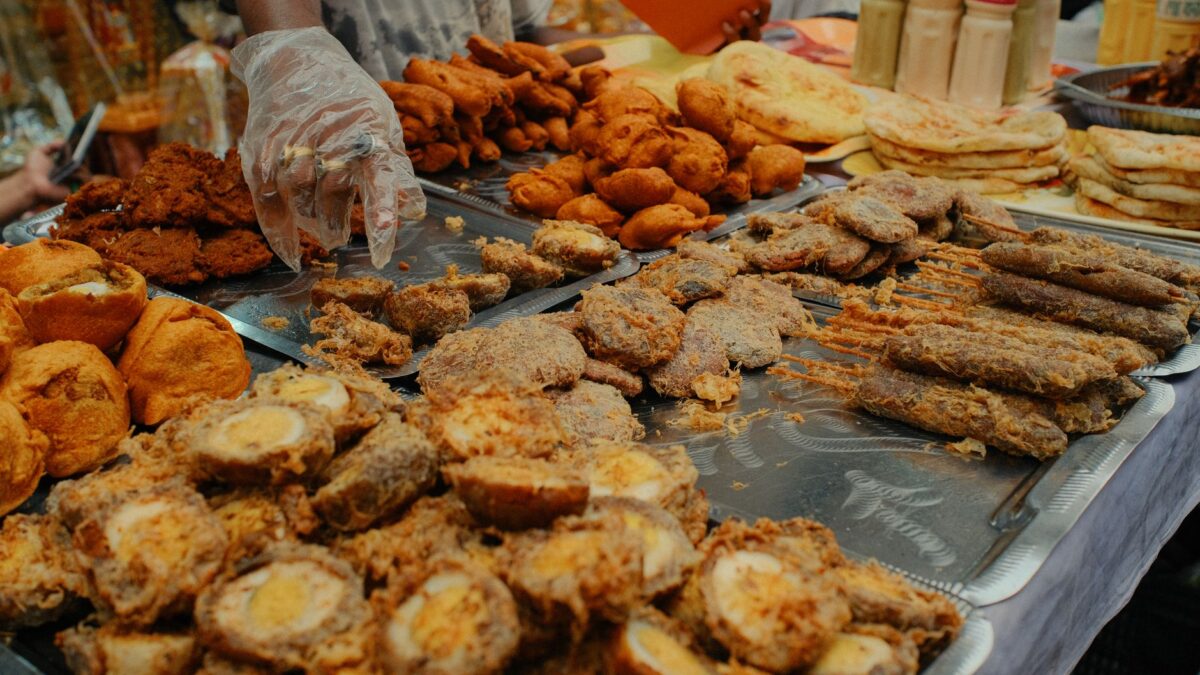
You step out of the Kingston airport and the heat hits you like a warm, wet towel. It is mid-November, and while the tourists are still counting down to December, the island is in that sweet, transitional groove. The humidity has dropped just enough for the ‘Christmas breeze’ to brush against your neck in the evenings, but the sea is still warm enough to pull you in. This is the best time to visit Jamaica if you want to feel the pulse of the place without drowning in it. It’s not peak season chaos, nor is it the dead of winter. It is the moment when the hurricane fears fade, the reggae cruise ships dock in Falmouth, and the markets start filling with sorrel and gungo peas.
November: The Sweet Spot Before the Rush
If you are planning your trip right now, November is your golden window. The weather in Kingston hovers around 24–31°C, though the afternoon thunderstorms can roll through quickly, dumping about 1mm of rain before clearing up. It feels hot—up to 35°C on the thermometer—but the trade winds keep it from being oppressive. You are avoiding the heavy rains of late October and the crowded luxury resorts of January.
This is also when the cultural calendar wakes up. Mid-November brings the Welcome to Jamrock Reggae Cruise, where over 50 acts sail into Ocho Rios and Falmouth, turning the north coast into a floating sound system party. If you are in Kingston, the energy shifts to New Kingston, where the ITF J30 junior tennis tournament fills the Pegasus Hotel strip with families and coaches. For the nightlife crowd, look for events like the Breeze soca/dancehall show at Port Royal or Apex Live at Cling Cling Oval. These aren’t just parties; they are community gatherings where you can hear Aidonia, Nailah Blackman, and Agent Sasco live.
Prices here are still reasonable. A short taxi ride from Half Way Tree to downtown costs about J$200 (roughly $1.3 US), and a plate of jerk chicken with festival at a local stand is around J$800–J$1,200 ($6). You can grab a cup of coffee at Press Cafe for J$300–J$350 ($2.1) and watch the world go by. It is affordable, vibrant, and perfectly balanced.
December to February: Peak Season Luxury and Noise
When Christmas arrives, the island transforms. The weather is cooler, dry, and absolutely beautiful. This is when the diaspora returns, the resorts are fully booked, and the prices spike. If you are visiting during these months, expect to pay premium rates for flights and accommodation. However, the experience is seamless. The roads are clear, the beaches are pristine, and the festive atmosphere is electric.
In Kingston, the corporate area buzzes with business travelers alongside holidaymakers. You might find yourself navigating the busy corridors of Constant Spring Road or shopping in Liguanea. While the cost of living is high, the tourist infrastructure is at its most polished. A mid-range dinner for two at a place like Broken Plate Restaurant will set you back around J$8,000 ($50), but the service and ambiance justify the expense. If you want to see the Bob Marley Museum at 56 Hope Road or explore the historic Devon House, this is the time to go, provided you book weeks in advance.
The downside? Crowds. Everywhere. From the airport to the jerk stands, you will be part of a stream of people. If you prefer solitude and lower prices, avoid these three months unless you have the budget for luxury.
March to May: Heat, Festivals, and Hikes
Spring in Jamaica is hot, dry, and intense. By March, the temperatures climb steadily, and the humidity begins to creep back in. This is the season for outdoor adventures. The Blue and John Crow Mountains are accessible, and if you are fit, you can tackle the overnight hike to Blue Mountain Peak via Jacob’s Ladder. The views from the top are worth the sweat.
Festivals dominate this period. Easter brings religious processions and quiet reflection, followed by the raucous energy of spring break tourism along the north coast. In Kingston, the city feels quieter than usual as many locals travel to their rural parishes for family reunions. It is a good time to explore the National Gallery of Jamaica on the waterfront, especially if you visit on the last Sunday of the month when entry is free. You can wander through Taino carvings and contemporary art without the crowds.
Food prices remain stable. A meal at an inexpensive cookshop—rice and peas, stewed chicken, and vegetables—will cost you about J$1,000–J$1,500 ($8). Street food like pan chicken from a vendor near Half Way Tree is still cheap, around J$500–J$600 ($4). This is a great time for budget-conscious travelers who don’t mind the heat.
June to October: Hurricane Season Bargains
This is the low season. Rainfall increases, and the threat of hurricanes looms, particularly from August to October. However, if you are flexible, this is when you get the best deals. Hotels slash prices, and you can often find rooms for half the peak-season rate. The island is lush, green, and alive with rain showers that pass quickly.
In Kingston, life continues as normal. You might encounter road excavations in the Corporate Area due to National Water Commission works, so plan your taxi rides accordingly. But the culture remains rich. Dancehall shows continue, and the local rhythm doesn’t stop because of the rain. If you stay indoors, the cafes are cozy spots to read or work. Just check the weather forecast daily and have a backup plan for beach days.
Safety tips: Stick to uptown corridors like New Kingston and Hope Road. Avoid downtown and West Kingston at night. Petty theft is the main risk, so keep your belongings close. Use licensed taxis from JUTA rather than hailing strangers. The police presence is visible in tourist zones, and the locals are generally helpful if you ask politely.
Practical Tips for Your Visit
Getting around Kingston requires a bit of strategy. The JUTC city buses are the cheapest way to travel, costing only J$50 with a SmartFare card (J$100 cash). Tap on and off at the Half Way Tree Transport Centre, the main hub for routes to Montego Bay, Ocho Rios, and beyond. For shorter hops, route taxis charge a base fare plus distance, so negotiate or confirm the price before getting in.
Dining is easy and delicious. Try the jerk pork with roast breadfruit at night stalls in Cross Roads for about J$600–J$700 ($4). It is authentic, spicy, and unforgettable. For a more formal meal, reserve a table at The Coppers or Julie Mango Restaurant. Coffee lovers should visit Ragamuffin Coffee Bar or Rituals Coffee House for a proper cappuccino.
Remember to register for a SIM card upon arrival. Digicel and Flow are the two main carriers, and you need your passport to buy a prepaid SIM. It is essential for navigation and booking rides. Also, carry some cash. While cards are accepted in hotels and upscale restaurants, small vendors, market stalls, and transport hubs prefer Jamaican dollars.
Jamaica is not just a destination; it is a feeling. Whether you come in the cool dry air of December or the rainy warmth of September, you will leave with the rhythm of the island in your bones. Plan your month carefully, respect the local customs, and enjoy every bite of jerk chicken along the way.
Frequently asked questions
What is the best month to visit Jamaica for good weather and fewer crowds?
November is widely considered the best month. The hurricane season ends, the weather is warm but not oppressive, and you avoid the peak holiday crowds of December and January.
How much does street food cost in Kingston?
Street food is very affordable. A portion of jerk chicken with festival costs around J$800–J$1,200 ($6), and pan chicken is about J$500–J$600 ($4). A full meal at a local cookshop is roughly J$1,000–J$1,500 ($8).
Is it safe to walk around Kingston at night?
Uptown areas like New Kingston and Hope Road are generally safe for tourists. However, avoid downtown and West Kingston at night due to higher crime rates. Always use licensed taxis (JUTA) after dark.
Do I need a visa to visit Jamaica for tourism?
Most US, UK, Canadian, and EU citizens do not need a visa for stays up to 90 days. You must have a valid passport and a return ticket. File a Customs & Immigration passenger declaration (C5) upon arrival.
What are the best ways to get around Kingston?
Use the JUTC city buses with a SmartFare card for cheap fares (J$50). For longer distances, take Knutsford Express coaches. Short trips can be done via route taxis, but always confirm the fare first.
Things to do in Jamaica
 Transportation and Tour from Montego Bay to Blue Hole/Secret Falls
 Airport MBJ Round Trip Transfers, to Montego Bay Airbnb & Resorts
 Private Airport Transfer To or From Ocean Eden Bay Resort
 Special offer
Private Round-trip MBJ Airport Transfer to Montego Bay Hotels
 Full-Day Tour of Blue Hole and Dunn's River Falls, Including Fees
 Mayfield Falls nature walk