

What to eat in Argentina — and what it costs
The air in Buenos Aires this September is crisp, hovering between 11 and 22°C, with that distinct overcast light that makes the city’s brickwork glow. As spring begins to stretch the days out, the streets are filling up. You can feel it in the energy: the FIBA 2026 festival has taken over 35 venues with international theatre, the Maratón Internacional de Buenos Aires is snaking past the Obelisco, and the Fourth Festival de Bandoneón Osvaldo Ruggiero is bringing milongas to life across the barrio. But amidst all this cultural noise, your stomach will demand its own kind of performance. Eating in Argentina isn’t just fuel; it’s a ritual. And thanks to the recent removal of currency controls under President Javier Milei’s government, the value for money right now is unlike anything seen in decades.
The Street Food That Wakes You Up
Before you head to any museum or gallery, you need the morning fuel. In Buenos Aires, street food is accessible, safe, and deeply satisfying. Start with an alfajor from any local panadería. These cookie sandwiches filled with dulce de leche cost roughly ARS 1,500–2,500 each (about $1.50–$2.75 USD). It’s a cheap, sweet start to the day.
If you’re walking through Palermo Soho or heading toward Plaza Serrano, look for the empanada stands. A single baked or fried empanada runs about ARS 2,000–3,000 ($2–$3). For something heartier, grab a sándwich de miga (crustless sandwich) from a kiosk near a subway entrance. Prices hover around ARS 3,500–4,500. Remember, while the Subte lines are undergoing renovations—Lavalle on Line C is closed for flooring and LED upgrades until late September—the buses accept contactless Visa or Mastercard now, but keeping a SUBE card handy is still smart for multi-ride discounts.
Parrillas and the Art of the Steak
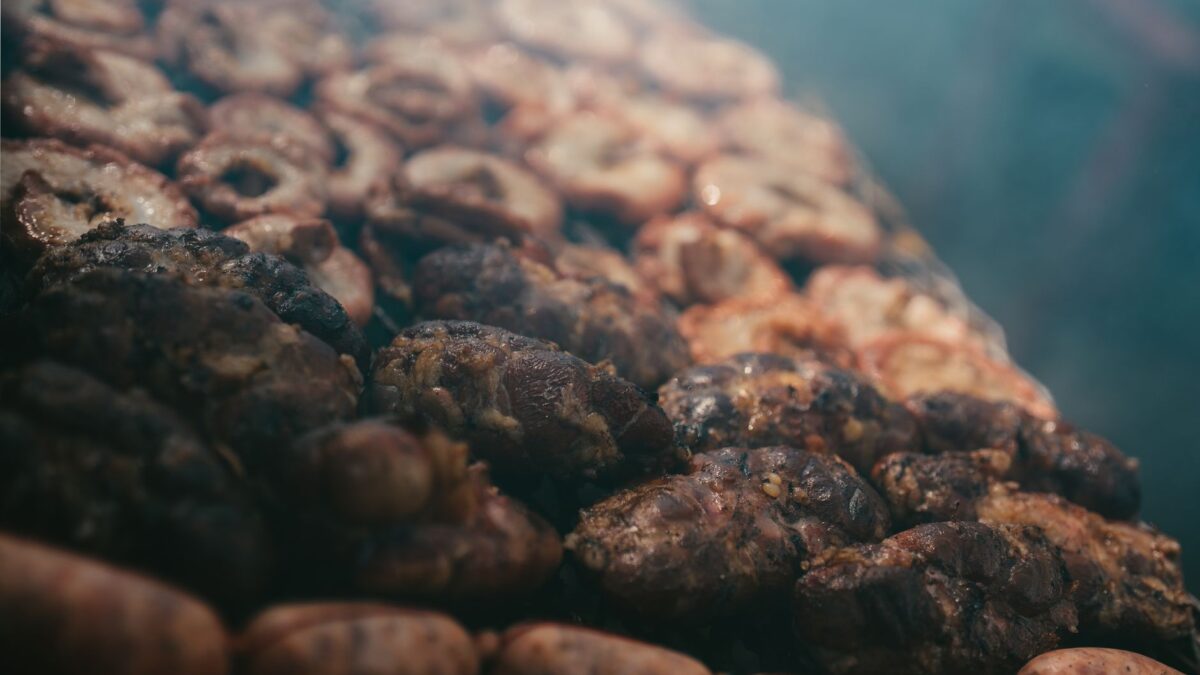
You cannot talk about Argentina without addressing the parrilla (grill). This is not just meat; it’s a national institution. If you want the authentic experience, avoid the tourist traps near La Boca’s Caminito alley after dark. Instead, head to a proper parrilla. The most famous names like Don Julio Parrilla or La Cabrera are legendary, but they come with a premium. At these top-tier spots, expect to pay roughly ARS 45,000–60,000 per person ($50–$65 USD) for a full meal including wine.
However, you don’t need to break the bank for excellence. Look for places like Puny – Pasta & Grill in Palermo Hollywood. Here, you can get a solid steak dinner for around ARS 25,000–35,000 ($27–$38 USD). The quality is high, the vibe is modern, and it’s far less crowded than the historic giants. If you visit Las Cañas, known for its historic beer hall atmosphere, a meal might run slightly higher due to the venue’s prestige, often landing around ARS 30,000–40,000 ($33–$44 USD).
Pro tip: Argentines eat dinner late. If you walk into a restaurant at 7 PM, you’ll be the only one there. Wait until 9:30 PM or 10 PM. The energy shifts, the kitchen fires up, and the service becomes more attentive. Also, always order the entradas (starters): chorizo criollo, provolone cheese, or morcilla (blood sausage) shared among the table. It’s cheaper and more social than ordering individual plates.
Cafés: Where History Meets Espresso
Buenos Aires has a café culture that rivals Paris, fitting its nickname as the ‘Paris of South America.’ Recoleta is the place to be for this. Confitería La Ideal on Avenida de Mayo is a time capsule, open since 1900. A simple coffee and medialuna (croissant) here costs about ARS 4,000–6,000 ($4.50–$6.50 USD). It’s worth it for the faded elegance and the chance to sit where Borges once wrote.
For a more contemporary specialty coffee experience, skip the tourist-heavy corners of San Telmo and head to RITA® Specialty Coffee Armenia or Vive Café Cafe de especialidad in Palermo. These spots cater to the booming local third-wave coffee scene. An espresso or cortado will cost around ARS 3,000–4,500 ($3.30–$5 USD). If you’re exploring the quieter, elegant streets of Belgrano, Bicho Café de Especialidad Recoleta offers a serene escape with prices similar to Palermo, around ARS 3,500 for a pour-over.
Don’t forget to try a café con leche with a side of facturas. The variety is endless: medialunas (half-moon pastries), hojaldres (flaky sheets), and viguetas (long, soft rolls). They are rarely expensive, usually under ARS 2,000 each, making them perfect for a quick breakfast before visiting the Museo Nacional de Bellas Artes, which is free to enter.
Lunch on a Budget and Late-Night Snacks
If you’re watching your wallet, lunch is your best friend. Many restaurants offer a menú ejecutivo between 12:30 PM and 3:00 PM. This includes a main course, salad, and sometimes a drink for a fixed price. In neighborhoods like Once or Villa Crespo, you can find excellent comida casera (home-style cooking) for ARS 15,000–20,000 ($16–$22 USD). Look for signs that say Menú del Día.
For a unique cultural experience, visit the Mercado de San Telmo in the oldest residential neighbourhood. It’s cobblestoned and charming, with colonial mansions surrounding it. Inside, you can grab a plate of empanadas or a slice of pie for ARS 5,000–8,000 ($5.50–$9 USD). Just be mindful of pickpockets in the crowded Sunday fair outside; keep your wallet in front of you.
When night falls and the Festival de Bandoneón events wrap up, you might crave something light. Head to Nuestro Secreto in Palermo Soho for their famous pizza slices. A slice costs around ARS 4,000–6,000 ($4.50–$6.50 USD). It’s casual, fast, and delicious. Alternatively, if you’re near Puerto Madero, the regenerated docklands offer safer, cleaner evening strolls. Grab a beer from a corner store for ARS 2,500–3,500 and watch the lights reflect off the Puente de la Mujer bridge.
Drinks: Wine and Beer
Argentina is a wine country first, a steak country second. Malbec is king. In a mid-range restaurant like Puny or Las Cañas, a bottle of house Malbec will cost you ARS 12,000–18,000 ($13–$20 USD). If you go upscale, expect ARS 25,000+ ($27+) for premium labels. By the glass, a good Malbec is ARS 4,500–7,000 ($5–$7.50 USD).
For beer, stick to local brands like Quilmes or Stella Artois (brewed locally). A draft beer in a bar is ARS 3,500–5,000 ($4–$5.50 USD). If you’re staying in hotels like Telmho Hotel Boutique or L’Adresse Hôtel, check if they have a minibar charge that inflates prices significantly; buying water and snacks from a nearby corralón (liquor store) is always cheaper.
One final note on safety and logistics: While La Boca is iconic, stay within the Caminito–La Bombonera perimeter during the day. For transit, use Uber, Cabify, or DiDi rather than hailing street taxis. And remember, since May 2025, travel health insurance with at least USD 20,000 cover is mandatory for entry. Keep your digital copies handy. Enjoy the food, the art, and the vibrant spring air of Buenos Aires—it’s a city that feeds both the body and the soul.
Frequently asked questions
How much does a typical steak dinner cost in Buenos Aires?
At top-tier parrillas like Don Julio, expect to pay around ARS 45,000–60,000 ($50–$65 USD). Mid-range spots like Puny or Las Cañas run ARS 25,000–40,000 ($27–$44 USD).
Is street food safe to eat in Buenos Aires?
Yes, generally. Empanadas, alfajores, and sándwiches from reputable kiosks are safe and affordable (ARS 1,500–4,500). Always choose busy stalls with high turnover.
What is the best time to eat dinner in Argentina?
Argentines dine very late. Restaurants are quiet at 7 PM but lively after 9:30 PM or 10 PM. Service improves significantly during peak hours.
Where can I find affordable lunch menus?
Look for 'Menú Ejecutivo' signs between 12:30 PM and 3:00 PM. In areas like Once or Villa Crespo, home-style lunches cost ARS 15,000–20,000 ($16–$22 USD).
Do I need cash or cards for payments in Buenos Aires?
Most places accept credit cards. The SUBE card is essential for public transit. Fintech apps like Mercado Pago are widely used for QR payments and transfers.


