

What to eat in Luxembourg — and what it costs
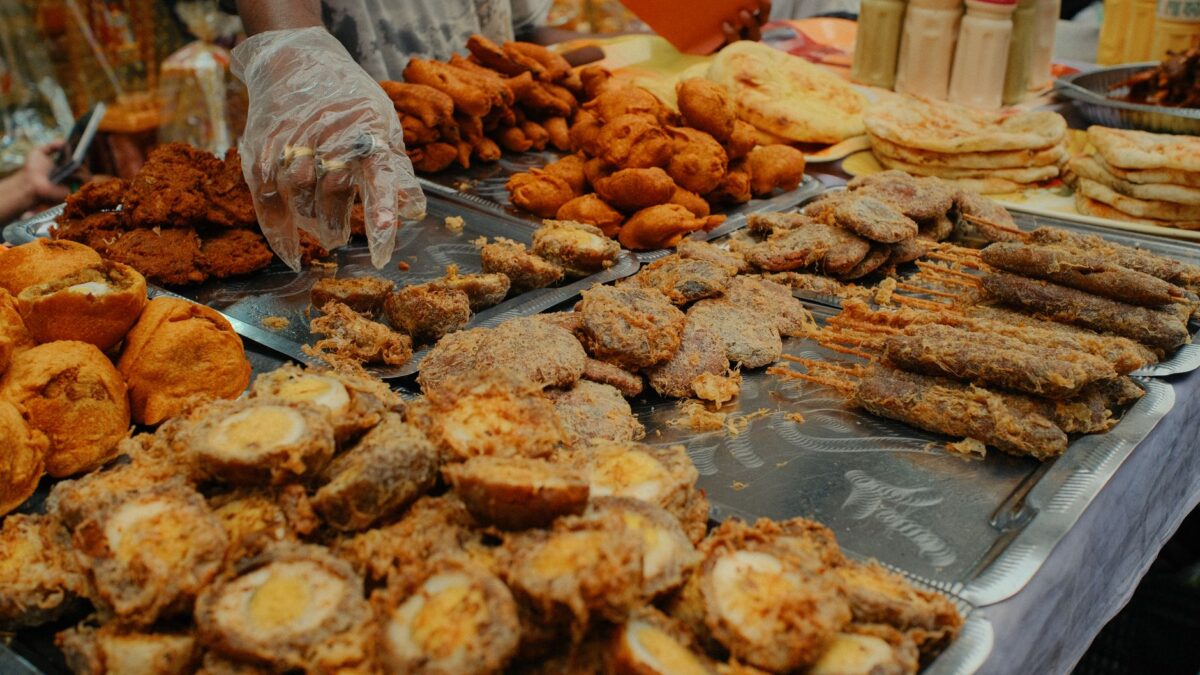
The air on the Glacis has that specific September bite to it—the crispness that signals summer is packing its bags and autumn is settling in. If you are standing near the Limpergsberg entrance right now, you are likely caught between two sensory waves: the distant thrum of the 686th Schueberfouer funfair and the mouthwatering, oily scent of frying potatoes. This is the perfect time to be in Luxembourg City. The fairgrounds are lit up, the Moselle wine harvest is just beginning, and the streets are alive with locals who know exactly where to find the best food without breaking the bank.
As Marie Schmit, I’ve walked these cobblestones for years. People often assume that because Luxembourg is one of the wealthiest nations in the world—with a GDP per capita that tops $147,000—you need a second mortgage to eat well here. It’s a myth. While rents can hover around €1,850 a month for a modest flat, your wallet doesn’t have to suffer if you know where to look. Public transport is free nationwide (a policy we are incredibly proud of), so getting from the old town to the Kirchberg plateau costs you nothing but time. Let me guide you through what to eat, where to go, and how much to expect to pay.
The Street Food Staple: Gromperekichelcher
You cannot talk about Luxembourgish cuisine without mentioning Gromperekichelcher. These are savory potato fritters, grated finely and mixed with onions, parsley, and spices, then pan-fried until golden. They are the soul of street food here. During the Schueberfouer, which runs through early September, you will see them being made at stalls all over the Glacis. But they are available year-round at markets and snack bars.
A single fritter or a small bag will set you back roughly €2–€3. It sounds trivial, but this is a meal in itself when you are walking the Chemin de la Corniche, that famous cliff-side promenade known as ‘the most beautiful balcony in Europe.’ Pair your fritters with a local Moselle white wine—look for bottles from the Mullerthal region—and you have a perfect late-afternoon snack. For a sit-down version, many traditional brasseries serve them as an appetizer for around €8–€10.
The National Dish: Judd mat Gaardebounen
If Gromperekichelcher is the street snack, Judd mat Gaardebounen is the heart of the national table. It consists of smoked pork collar slow-cooked with broad beans, usually served with boiled potatoes and a tart apple sauce. It is hearty, rustic, and deeply satisfying. You will find this dish in nearly every traditional restaurant, but quality varies.
In a mid-range restaurant or a classic brasserie in the Ville Haute (Upper Town), expect to pay between €22 and €28 for this plate. It is not cheap, but given the cost of living here, it is reasonable for a protein-rich main course. A good spot to try this is any of the older eateries near Place d’Armes. Avoid the tourist traps right next to the Grand Ducal Palace if you want authenticity; instead, wander slightly into the side streets of the Grund district. The Grund is a picturesque village within the city, nestled along the Alzette river, and its restaurants often offer better value and a more intimate atmosphere.
Cafe Culture and Coffee Costs
Luxembourg has a vibrant cafe culture, driven by its large international community. Whether you are in the Gare district or the leafy Belair neighborhood, coffee is a ritual. However, prices reflect the high cost of living. A standard cappuccino will cost you around €3.50. If you want something more artisanal, head to one of the specialty coffee shops that have popped up recently.
Places like Curious Buds Specialty Coffee – City Center or ZECA – Specialty Coffee offer excellent brews, though you might pay a premium for the sourcing. For a lighter bite, a cafe lunch at an inexpensive local spot—think a quiche, a salad, or a sandwich—will run you about €15–€18. This is significantly cheaper than a dinner out. If you are looking for brunch, Lloyd Coffee Eatery is a popular choice, though be prepared for queues on weekends. Remember, water is tap-safe and free; asking for ‘l’eau du robinet’ can save you €3–€4 per person at dinner.
Dinner Out: Budget vs. Splurge
Dining out in Luxembourg can range from affordable to exorbitant. For a typical dinner at a mid-range restaurant, budget around €30–€40 per person. This usually includes a starter, main, and a glass of house wine. Wine is key here; the Moselle valley produces some of Europe’s finest Rieslings and Pinot Gris. A bottle of local white might cost €15–€20 in a restaurant, which is a steal compared to imported wines.
If you are on a tighter budget, the Gare district offers multicultural options. You can find excellent Vietnamese, Turkish, or Italian meals for under €15. The SpoT and Urban Bar & Restaurant are also good mid-range options that cater to both locals and expats. For a truly special occasion, there are Michelin-starred rooms in the city, but those dinners can easily exceed €100 per person. Unless you are celebrating a major event, stick to the brasseries and bistrots—they offer the true taste of Luxembourg.
Drinks and Nightlife Prices
A half-litre of local beer, such as a Diekirch or Mousel, will cost you about €4–€5 in a bar. Cocktails are generally more expensive, ranging from €9 to €12. If you visit during the Ultrashall festival or other summer events, prices might spike slightly due to demand. For a night out, remember that taxis start at a base fare of €5, but a short ride across town via Uber or taxi will typically cost €17–€20. Walking is often faster and free, especially in the compact Old Town.
One unique aspect of Luxembourgish nightlife is the integration of culture and dining. Many venues in the Grund and Kirchberg districts double as art spaces or music hubs. The Mudam museum, for instance, hosts events that often include drinks and light bites. Entry to museums is generally €5–€12, but if you plan to visit several sites, the LuxembourgPass (24h for €21) can offer savings, especially if you include the Casemates du Bock, which costs around €7–€8 separately.
Practical Tips for Eating Like a Local
First, embrace the seasons. In September, the Schueberfouer is the place to be for casual eats. The fairground workers’ Mass and the wreath-laying at the Glacis chapel are traditions you should witness if you can. Second, use public transport. Since March 2020, buses, trams, and trains are free. You don’t even need a ticket, just your ID. This makes it easy to hop between the Upper City for lunch and the Grund for dinner without worrying about parking or fares.
Finally, don’t be afraid to ask for recommendations. Luxembourgers are proud of their food scene. If you see a line outside a small bakery or a modest bistro, join it. That is where the real flavors are. Whether you are grabbing a quick coffee at Vitalenta or enjoying a full meal with smoked pork and broad beans, Luxembourg offers a dining experience that is as diverse and dynamic as its population. Enjoy every bite, and watch your euros go further than you might expect.
Frequently asked questions
Is public transport free in Luxembourg?
Yes, all buses, trams, and second-class trains are completely free nationwide since March 2020. You only need to carry ID.
How much does a typical dinner cost in Luxembourg City?
A mid-range restaurant meal typically costs €30–€40 per person. Street food like Gromperekichelcher is much cheaper, around €2–€3.
What is the national dish of Luxembourg?
The national dish is Judd mat Gaardebounen, which is smoked pork collar served with broad beans and potatoes. It costs about €22–€28 in a brasserie.
Where can I find the best coffee in Luxembourg City?
Specialty coffee shops like Curious Buds, ZECA, and Vitalenta are highly rated. Expect to pay around €3.50 for a cappuccino.
Is Luxembourg City safe for tourists?
Yes, it is one of Europe's safest capitals. Normal big-city awareness is only needed in the Gare quarter late at night.
Things to do in Luxembourg
 Private Vianden Castle Tour from Luxembourg City
 Luxembourg: Moselle Wine Tasting & Castle Private Day Tour
 Luxembourg Vianden Castle Tour with Transfer + surprise stop
 From Luxembourg: Trier, Moselle River, Waterfall and Castle Tour
 Luxembourg Castles, Forests & Rivers Private Tour (Easy Walks)
 Luxembourg Challenges EVG EVJF City Challenge team