

South Korea etiquette: the dos and don’ts
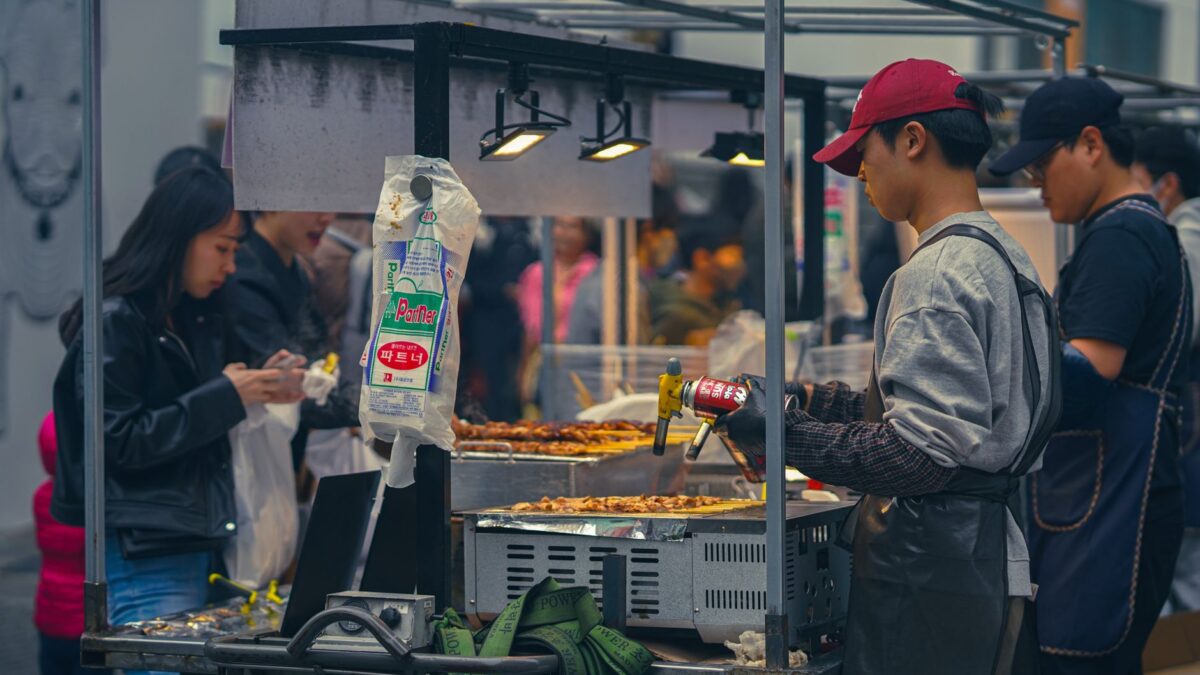
The air in Seoul in late August is thick as soup. You step out of Hongdae station and the heat hits you like a wall — 35°C feels like, and the light drizzle doesn’t cool a thing. Yet the streets are alive: university students in oversized tees, ajummas with parasols, and the distant thump of a bassline from a basement club. This is the tail end of a sweltering summer, and Seoulites are squeezing every last drop from it — riverside beer festivals, open-air sculpture parks, and late-night food stalls. But before you dive into that steaming bowl of tteokbokki or haggle for a vintage jacket, there’s a code you need to know. Not the official laws — those are easy. It’s the unspoken etiquette that separates a polite visitor from an oblivious one. Let me walk you through it.
Greetings: The Art of the Bow
Forget the handshake unless you’re in a very formal business meeting — and even then, it’s usually a bow with a light handshake. The bow is your Swiss Army knife of respect here. A quick 15-degree nod for a barista or convenience store clerk; a deeper 30-45 degree bow for elders or someone you’re introduced to. The golden rule: the more senior or older the person, the lower you bow, and the longer you hold it. If you’re unsure, err on the side of slightly deeper — no one will mock you for being overly respectful.
When you receive something — a business card, a cup of coffee, a payment terminal — always use both hands. It’s a small gesture that screams “I respect you.” If you’re seated and someone older walks in, stand up. It’s not rigid formality; it’s just how things work. And don’t be alarmed if someone tells you their age right away — it’s not rude, it’s practical. Age hierarchy dictates honorifics, seating arrangements, and sometimes who pours the alcohol.
One more thing: your shoes. You’ll see signs at temples, hanok guesthouses, and many traditional restaurants (like CHAEUM KOREAN TRADITIONAL RESTAURANT in Bukchon). Take them off and place them neatly at the entrance, toes pointing out. If you see a line of shoes, follow suit — and don’t leave your socks holey.
Tipping: Please Don’t
Here’s the beautiful, stress-free truth: tipping is not a thing in South Korea. In fact, leaving a tip can cause confusion or even embarrassment. At a restaurant, the bill is the bill — no service charge, no “gratuity expected” line. At a hotel, if a bellhop carries your luggage, a quick “thank you” and a smile suffices. In a taxi, round up to the nearest thousand won if you’re feeling generous, but it’s not required.
Why? Because service workers are paid a decent wage, and the culture values transparency. The one exception: if you’re at a luxury hotel or a Western-style bar in Itaewon or Gangnam, some staff might accept a tip, but it’s genuinely unnecessary. Your money is better spent on a T-money card or a round of drinks for a local friend who’s just shown you around.
Dining Manners: Chopsticks, Bowls, and Soju
Meals are a communal affair in Korea — trust me, you’ll be sharing. When the food arrives, wait for the eldest or the host to pick up their chopsticks first. Don’t start scooping from the shared dishes with your own chopsticks; use the shared serving spoons if provided, or the back end of your chopsticks for picking up shared banchan.
Here are the big don’ts at the table:
- Don’t stick chopsticks upright in your rice. It resembles incense sticks at a funeral — an instant mood killer.
- Don’t lift your rice bowl off the table. Unlike in Japan, you leave the bowl down and bring your face to it. It feels awkward at first, but you’ll get used to it.
- Don’t blow your nose at the table. Excuse yourself.
- When pouring soju or beer, pour for others, not yourself. If someone pours for you, hold your glass with both hands. If you’re drinking with an elder, turn your head slightly away and sip — it’s a sign of deference.
And yes, you’ll see Koreans slurp their soup — it’s fine, even appreciated. Just don’t make a scene about food being too spicy (even if it is). Compliment the host; a simple “masisseoyo” (delicious) goes a long way.
Dress: Hanbok, Temples, and the Gyeongbokgung Experience
Seoul is fashion-forward, but it’s also pragmatic. In this muggy heat, shorts and t-shirts are fine for most casual spots — Hongdae, Seongsu-dong, the riverside parks. But if you’re planning to visit a traditional palace like Gyeongbokgung, dressing a bit more respectfully is appreciated. Not required, but appreciated. And there’s the hanbok hack: if you rent a hanbok at a shop near the palace (they’re everywhere, usually for around ₩10,000–30,000 for a few hours), you get free entry to Gyeongbokgung, Changdeokgung, and Jongmyo. It’s a win-win — you look great in photos, and you save money.
For evenings in Gangnam or at a nice restaurant in Cheongdam, smart casual is safe. Avoid overly revealing clothes in traditional neighborhoods like Bukchon Hanok Village — not for any strict rule, but out of respect for the elderly residents who still live there. And for heaven’s sake, wear comfortable shoes. Seoul’s hills are no joke; you’ll be climbing stairs in Insadong and walking miles in the Hangang parks.
Small Customs That Matter
- Subway etiquette: Stand on the right side of the escalator (left is for walking up). Give up your seat for the elderly, pregnant women, or anyone with the pink “senior” badge — they might not ask, but they’ll notice. When the doors open, let people off first. Yes, even if you’re in a hurry.
- Loudness: Koreans are famously loud in group settings (noraebang, anyone?), but on public transport and in quiet spaces like libraries or the Starfield Library at COEX, they whisper. Match the volume.
- Addressing people: Use titles. “Manager Kim,” “Teacher Park,” or just “ajusshi” (middle-aged man) and “ajumma” (middle-aged woman) for strangers. Using first names too quickly can feel presumptuous. When in doubt, add “-ssi” to a name (e.g., “Minjun-ssi”).
- Parking your trash: Public trash cans are rare. Carry a small bag for wrappers; you’ll often see Koreans holding onto their trash until they find a bin at a convenience store or station. It’s not weird — it’s polite.
- Photos: Always ask before taking photos of locals, especially in traditional areas. And don’t use flash in art galleries or at the DDP’s LED rose garden — it ruins the vibe for everyone.
Practical Insights for a Smooth Visit
Now that the etiquette is squared away, let’s talk nuts and bolts. You’ll need a T-money card for transit (about ₩3,000 for the card, then load cash at any GS25 or CU). A single subway ride is ₩1,550 with the card, ₩1,650 for single tickets — so just get the card. If you’re staying a week and planning to explore all corners of Seoul, the Seoul Climate Card is a bargain: ₩5,000 for a day, up to ₩62,000 for 30 days. It covers most subways and buses, though not the Shinbundang Line, GTX, or Incheon Airport express — so keep a backup T-money balance.
For taxis, use Kakao T app. A short ride (a few kilometers) will set you back about ₩5,000–8,000. Don’t hail a random cab late at night in Itaewon without checking they’re using the meter — official taxis are fine, but touts are not. Seoul is one of the safest cities on earth — 112 for police, 119 for fire/ambulance, and there’s a 24-hour travel hotline at 1330 that speaks English. Use it if you’re lost or need help.
A note on heat: we’re under a heat emergency until early September. City construction is halted, outdoor events are moving indoors, and the city sprays water trucks on the hottest roads. If you’re out during the day, hydrate like crazy. Seek refuge in the air-conditioned COEX Mall or the National Museum of Korea. The evenings, though, are magical — the Han River parks (try Banpo for the rainbow fountain) are packed with picnickers, so grab some takeout from Gwangjang Market (the bindaetteok is legendary) and join them.
Finally, a word on the politics. You might have read about the turbulent 2024–2025 period — the martial law declaration, the impeachment, the snap election. That’s history now. Everyday Koreans just want to live their lives — and they’re remarkably welcoming to visitors. Don’t bring it up unless they do. Focus on the present: the craft beer at the Jangan 1 Waterside Park beer festival, the sculpture garden at Ttukseom Hangang Park, and the lights of N Seoul Tower at night. That’s the Seoul you’ll remember.
Frequently asked questions
Is tipping expected in South Korea?
No, tipping is not customary in South Korea. It's not required at restaurants, taxis, or hotels, and can even cause confusion. Just pay the bill as-is.
Should I bow or shake hands when greeting someone?
A bow is the standard greeting. A slight nod is fine for casual encounters; a deeper bow for elders or formal situations. A handshake is okay but often accompanied by a bow, and always use both hands when giving or receiving something.
Can I wear shorts and a t-shirt in Seoul in August?
Yes, in casual areas like Hongdae or the Han River parks, it's fine. But for temples or traditional neighborhoods like Bukchon, dress more modestly. If you rent a hanbok, you get free entry to Gyeongbokgung Palace — a great deal!
Is it okay to use a T-money card for all public transport?
Yes, the T-money card works on subways, buses, and even some taxis. It costs about ₩3,000 for the card and gives you discounted fares (e.g., ₩1,550 for a subway ride). Remember to tap both when boarding and exiting for transfer discounts.
Is there anything I should avoid doing at a Korean restaurant?
Don't stick chopsticks upright in rice (it's a funeral ritual), don't lift your rice bowl off the table, and don't blow your nose at the table. Pour drinks for others, not yourself, and wait for the eldest to start eating.
Things to do in South Korea
 Busan Small Group 100% Guaranteed Sky Capsule with Hotel Pickup
 Private DMZ Tour with North Korean Defector + N Korean Lunch
 Royal Seoul Cooking Class in a 100-Year-Old Hanok
 Seoul Vegan & Vegetarian Gwangjang Market Food Tour (11 Tastings)
 Make Traditional Korean Rice Wine (Makgeolli)
 Private Seoul or DMZ Tour