

A first-timer’s guide to Finland
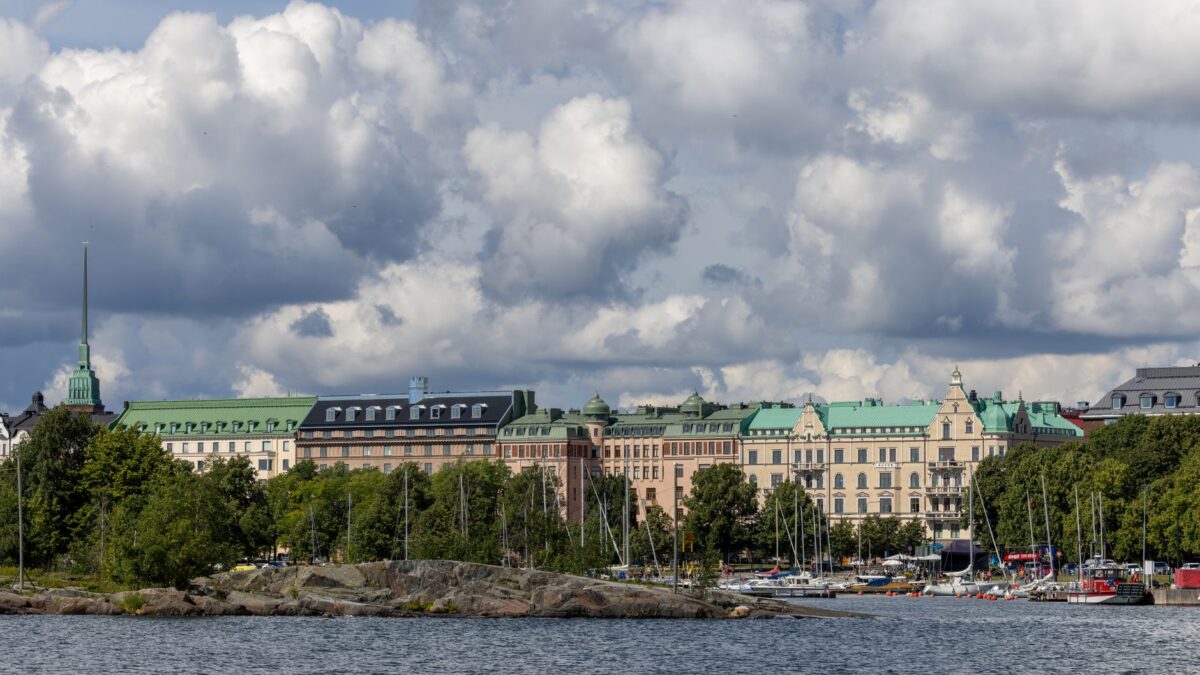
It’s 6:10 a.m. in Helsinki, and the light is already doing that thing — soft, grey, a little melancholic — as the first tram rattles past the neoclassical columns of the Senate Square. I’m standing outside Café Kaffa with a €4.70 cappuccino, watching a few early risers head for the Market Square ferry to Suomenlinna. The air smells of salt, rain on cobblestones, and the faint promise of chanterelles. If you’re planning your first trip to Finland, let me save you the beginner’s fumbling. This is what I wish someone had told me before I moved here.
When to come (and how long to stay)
Late August is a secret weapon. The summer crowds have thinned, the light is still generous — sunrise around 6:10 a.m., sunset just after 8:30 p.m. — and the city is alive with festivals. In 2026, you’ll be landing right in the middle of Helsinki Design Week (28 Aug – 6 Sep), which takes over the centre with installations like the Marimekko-clad Futuro House in Kaisaniemi Botanic Garden and the Aalto 90 Pavilion in the South Harbour. If that’s too “design-y” for you, the SAMPO Festival brings European puppet theatre to venues across Helsinki, Espoo, and Vantaa (26–30 Aug). And if you’re a music fan, catch the Huvila tent’s final concerts before a two-year break — the venue shuts down for a park renovation after this season.
How long should you stay? For a first-timer, I’d say 4–5 full days in Helsinki, plus a day trip. That gives you time to see the classics (Suomenlinna, the Rock Church, Oodi Library), eat your way through the Old Market Hall, and still have an afternoon to just sit in a park with a korvapuusti. If you want to venture further — say, a lake cabin or the archipelago — add 2–3 days. Don’t try to see all of Finland in a week; you’ll spend half your time on trains and miss the point.
Getting around: trams, ferries, and a word about the metro
Helsinki’s public transport is run by HSL, and it’s your best friend. A single adult fare is about €3.10 for the AB zone (bus, tram, metro, and even the Suomenlinna ferry). If you’re here for more than a couple of days, grab a monthly pass (€70–75) — it pays for itself quickly. The HSL app is all you need; no need to fumble with paper tickets.
One heads-up: the city is doing a lot of construction. The new west-Helsinki tram line (line 14) is being built, so you’ll see street works around western routes, and there are traffic diversions around Kalasatama ahead of a full 6-month metro shutdown in 2027. But the core network — the metro, trams, and the 15-minute ferry to Suomenlinna — runs smooth as ever. If you’re staying in the centre, you’ll probably walk most places; Helsinki is compact and walkable, and you’ll get your steps in on the hills around Kallio.
Money: cash? What cash?
Finland is almost completely cashless. As in, you can go a week and never see a banknote. Cards are accepted everywhere, from the Market Square tents to the Kiasma gift shop. Still, keep a small reserve of euros for the occasional market stall that only takes mobile payment.
Now, the costs. Helsinki is moderately expensive — a mid-range hotel will set you back around €120–160 a night, and a simple dinner for one at a mid-range restaurant is €45–50. But there are tricks. The weekday lunch buffet, or lounas, is the saviour: for €12–17, you get a hot meal, salad, bread, and coffee at almost any restaurant. We locals survive on this. A cappuccino will cost you about €4.70, a pint of draft beer around €8.00, and a 500g loaf of bread about €2.20. A museum like the Ateneum or Kiasma will set you back €20–22 — worth it, but check if you’re there on a Friday afternoon when many venues offer discounted entry.
As for the currency: euros, with the exchange rate hovering around €0.92 per US dollar, so your dollars stretch a bit further than you might think.
Where to stay (and where to eat when you get there)
For your first visit, choose a base that lets you feel the city. Kallio is the bohemian heart — think street art, vintage shops, and cheap pints at places like Ravintola Kannas. Try Kotiharju, a public sauna that’s been steaming since 1928; it’s the real deal, not a tourist show.
Punavuori is the design district — 25 streets and over 200 design shops and studios. It’s where you’ll find Kaffa Roastery and Iso Roobertinkatu’s boutiques. If you want calm and beauty, Eira / Ullanlinna is a quiet 19th-century enclave with the coast and the Löyly sauna just metres away. Katajanokka is the arty, art-nouveau peninsula by the cruise harbour, with the red-brick Uspenski Cathedral towering over.
As for hotels, you’ve got solid options: Hotel AX is modern and central, The Folks Hotel Konepaja is a converted industrial space with a local feel, and Hotel NH Collection Helsinki Grand Hansa is a grand old dame by the harbour. If you’re on a budget, Noli Malmi offers a design-forward stay a bit outside the centre, and VALO Hotel & Work is a hybrid hotel/co-working space that’s popular with remote workers.
When you’re hungry, skip the tourist traps and do as the locals do: the weekday lounas is at any decent restaurant for under €17. For splurges, Lappi Ravintola serves reindeer and Lappish classics, and Ravintola Nokka focuses on archipelago-sourced seafood and local produce. For quick, casual eats, Tawook Lab has some killer Middle Eastern wraps. And you have to go to the Old Market Hall (Vanha Kauppahalli) — since 1889, it’s been the spot for salmon soup, vendace (muikku), rye bread, and cinnamon buns. Grab a korvapuusti from Fazer Café and eat it on the Market Square steps.
What first-timers wish they’d known (but you’ll know now)
Let me save you from the classic rookie mistakes:
- The National Museum is closed until spring 2027. It’s undergoing a big renovation. If you want history, head to the Seurasaari Open-Air Museum or Suomenlinna instead.
- The sauna is not optional. You didn’t come to Finland to skip the sauna. Try Löyly (the iconic timber seaside sauna) or Kotiharju (if you want a real local experience, go on a Saturday — it’s the social hub).
- You don’t need to worry about safety. Helsinki is one of Europe’s safest capitals. The trams run late, the streets are well lit, and even at 2 a.m. you’ll feel fine walking home.
- The arrival process is simple, but plan for ETIAS. If you’re from the US, UK, Canada, Australia, or about 60 other countries, you can visit visa-free for up to 90 days in any 180. From late 2026, you’ll need an ETIAS pre-authorisation — it’s an online application, cheap and quick, but don’t leave it to the last minute. Make sure your passport has 3–6 months of validity left.
- If you stay longer than 90 days, you’ll need a residence permit via Migri, and then you must register your municipality of residence with the Digital and Population Data Services Agency (DVV) to get your Finnish personal identity code (henkilötunnus) — that number unlocks everything from bank accounts to health care. And then you’ll want to join Kela for the social security card.
- Mobile data is cheap and easy. Elisa, DNA, and Telia all sell prepaid SIMs (and eSIMs) at their stores or at R-kioski kiosks. Coverage is excellent, even in the metro tunnels.
- The trams are not just for tourists. They’re the fastest way to get around the city centre — and you’ll look like a local if you hop on the 7 that loops the centre and harbour.
The seasonal extra: wild mushrooms are your ticket to local life
Late August is chanterelle season, and this year Finland is celebrating with its first wild mushroom bar outside the Kluuvi Shopping Centre (part of Design Week, 1–4 Sep). For a first-timer, this is a perfect way to taste the forest without going on a foraging hike. But if you want the real thing, take the bus to Nuuksio National Park in Espoo (about a 35-minute ride) and you’ll see locals picking golden chanterelles in the mossy forests. Just don’t post a photo of your harvest on social media — that’s the one thing Helsinki residents will not forgive.
One more thing: the evenings are drawing in. By late August, it’s dark by 9 p.m., and the city starts shifting from summer festivals to autumn calm. You’ll get the best of both worlds: the last outdoor concerts in the Huvila tent and the cozy first nights of café season. So pack a light rain jacket (you’ll get that drizzle), a scarf for the evening, and an open mind. Finland will do the rest.
— Eero Virtanen, your resident host from Helsinki
Frequently asked questions
What is the best time to visit Finland?
Late August is ideal for a first visit: the weather is mild (around 16–19°C), the crowds have thinned, and you can catch Helsinki Design Week and the last summer festivals.
How many days should I spend in Helsinki?
Plan for 4–5 full days in the city, plus a day trip to Suomenlinna or Nuuksio National Park. That gives you time to see the major landmarks without rushing.
Is Helsinki expensive?
It's moderately expensive by European standards: a mid-range hotel costs €120–160 a night, and a dinner for one is €45–50. But you can save with the weekday lunch buffet (€12–17) and a monthly transit pass (€70–75).
Do I need a visa to visit Finland?
If you hold a US, UK, Canadian, Australian, or other visa-exempt passport, you can stay up to 90 days in any 180 without a visa. From late 2026, you'll need an ETIAS pre-authorisation. Other nationalities need a Schengen Type C visa.
Is it safe to walk around Helsinki at night?
Yes, Helsinki is one of Europe's safest capitals. Streets are well-lit, and trams and metro run late. Just use common sense as you would in any city.
Things to do in Finland
 Helsinki Walking Tour - Small Group
 Snowmobile Safari in Helsinki Archipelago with Lunch
 Guided Daytime Ski Adventure: Explore Private Trails by Rovaniemi
 Winter Wonderland Hike in a National Park
 Northern Lights Hunting Photography Tour in Rovaniemi Finland
 Helsinki: Archipelago Exploration at Porkkalanniemi peninsula