

India etiquette: the dos and don’ts
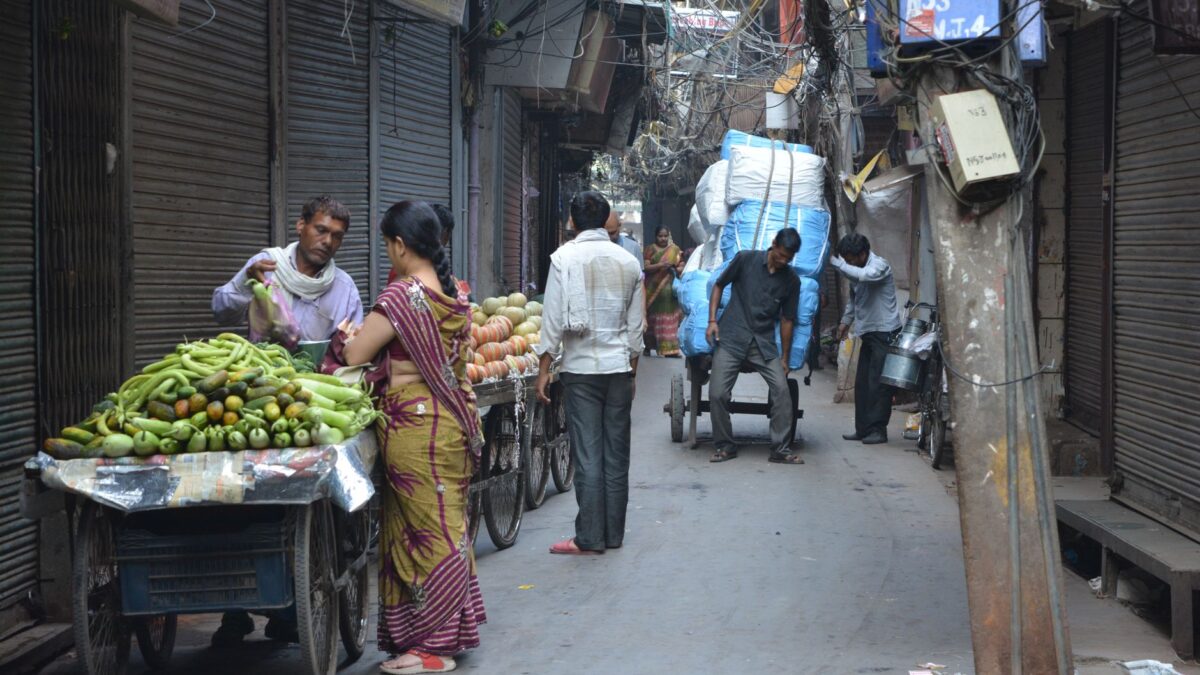
It hits you first as a wall of humidity, then as a chorus: the blare of a truck horn, the ring of a cycle-rickshaw bell, and the call to prayer drifting from the Jama Masjid minarets. You’re in Delhi, late August, where the monsoon has turned the city into a steam bath — 28 to 35°C that feels like 40 — and the first festival bunting is already going up for Janmashtami. Before you navigate the chaos of Chandni Chowk or sip chai in a Hauz Khas café, you need to know how to move through this city with grace. Here’s the real etiquette, from a local who’s watched a thousand visitors stumble — and recover.
The Namaste and the Handshake: Greetings Done Right
Forget the elaborate Namaste you’ve seen in Bollywood films. In Delhi, a simple, respectful namaste — palms pressed together, a slight nod — is the standard for strangers, especially older people or shopkeepers. You’ll hear Namaste, Pranam, or a cheerful Hello in equal measure. When a man extends his hand, shake it firmly but not aggressively. When meeting a woman, it’s wise to wait for her to initiate the handshake; if she offers a namaste instead, return it. Always use your right hand for greeting, giving money, or passing anything — the left is considered unclean. And when you’re at a place like the Nizamuddin Dargah, listen first: the qawwali music is the real language of welcome there.
Tipping: Who, When, and How Much
Tipping in Delhi isn’t as aggressive as in the West, but it’s appreciated. At mid-range restaurants like Gulati Restaurant on Pandara Road or Mysore Cafe, a 10% service charge is often added to the bill; if not, round up or leave 5-10% in cash. For the ubiquitous wala (the delivery boy or the man who helps you park), a ₹10 or ₹20 coin — less than a quarter in US dollars — is a generous gesture. For hotel staff who carry your bags at a place like Hotel Vedas Heritage, ₹50 to ₹100 (roughly $1) is fine. In street markets like Karol Bagh, bargaining is expected, but tipping is not. A small tip for the bathroom attendant (₹5-₹10) is a grace note that shows you understand the system.
Dining Manners: From Thali to Banana Leaf
This is where most visitors trip. In Delhi’s restaurants, especially South Indian spots like the famed Mysore Cafe, you’ll be handed a thali (a metal platter) or, if you’re lucky during festival season, a banana leaf. The rule: eat with your right hand only. You can push food onto your bread with your left, but never put your left hand near your mouth. For the banana-leaf Sadhya feast at the South Side Story festival heading to the KD Jadhav Indoor Stadium, you’ll see locals eating with their fingers — fold, push, and pop. Don’t be shy; it’s the most authentic way. Wait for the eldest person at the table to start, as elders are served first in traditional homes. And never refuse food — acceptance is a form of respect. Saying bas, bas (enough, enough) politely signals your fullness.
Dress Modestly, Especially at Sacred Sites
Delhi is a conservative city below the surface. You’ll see women in kurtas and men in trousers, not shorts. At the Red Fort (entry around ₹550-700 for foreigners), Humayun’s Tomb, or the Qutub Minar, modest dress matters. For the Lotus Temple or Akshardham — where phones and cameras are banned — cover your shoulders and knees; carry a light scarf (dupatta) to honor any entrance requirement. At the Nizamuddin Dargah, you’ll be asked to cover your head before entering; a handkerchief or scarf works. This isn’t just formality — it’s a show of respect that opens conversations. In Hauz Khas, with its art galleries and rooftop cafés, you can be more casual, but a collared shirt or a long skirt is wiser than a tank top and flip-flops.
Sacred Cows and Free-Flying Hens: Street Smarts
Here’s the thing about cows in Delhi — they’re everywhere, and they are sacred. Do not shoo, hit, or even touch a cow, even if it’s blocking your path in Vasant Kunj or near the INA market. Just wait, or walk around. That’s the etiquette. Peacocks are spotted near the Rose Garden, another reminder that you’re in a land where nature and faith intertwine. When a sudden monsoon downpour hits — as it does this week, with light drizzle forecast — your plans might change. Don’t get angry. The patience you show in a traffic snarl near Lodhi Road (where a free 5km BRICS Solidarity Run will cause early road closures) is part of the local code.
The Small Customs: Shoes, Phones, and the Art of the Head-Wobble
Remove your shoes before entering any temple, gurdwara, or someone’s home. Wait at the door and ask, Joote utarein? (Should I take off my shoes?) if you’re unsure. When walking through the craft stalls at the Virasat – The Handmade Festival along Baba Kharak Singh Marg in Connaught Place, keep your phone in your pocket — not because it’s unsafe, but because the artisans value a human connection. The famous Delhi head-wobble (a gentle side-to-side tilt) means I hear you or fine, not necessarily yes. If a shopkeeper at Karol Bagh wobbles when you ask a price, it’s an invitation to bargain, not an agreement. And always use the Delhi Metro’s National Common Mobility Card for quick entry — fares are just ₹11 to ₹64, among the cheapest in the world — but mind the magenta line construction still ongoing near central and west Delhi.
Navigating Security and the VIP Core
Lutyens’ Delhi, the imperial enclave with Connaught Place and India Gate, is under heavy CCTV surveillance. It’s safe, but being a foreigner near the President’s residence means you’ll be asked for ID by polite security personnel. Don’t panic; carry your passport or a photo copy. In the posh lanes of Greater Kailash or Saket’s Select Citywalk, you’ll see signs requesting you to keep belongings zipped — pickpocketing occurs in crowds, so a cross-body bag is your friend. After dark, use Uber or Ola instead of hailing a taxi on the street; it’s cheaper and safer, especially for solo travelers.
The Currency of Patience
Ultimately, the biggest etiquette rule is this: slow down. Delhi is a city of 31 million souls, and the late-August air (with humidity making everything feel like a steam bath) makes rushing impossible. Whether you’re at the National Museum, sipping filter coffee at Triveni Terrace Cafe, or listening to the call to prayer, let the city move at its pace. A polite smile, a right-handed offering of cash, and a willingness to take off your shoes are worth more than any phrasebook. That’s how you go from being a tourist to being a guest.
Follow these cues, and you’ll find Delhi opens up — the chai wallah will give you a discount, the auto driver will show you a shortcut, and the qawwali singers at Nizamuddin will sing a verse just for you. That’s the real welcome.
Frequently asked questions
Is it okay to use my left hand when eating in India?
No. Always eat with your right hand. The left hand is considered unclean and should only be used for passing plates or serving. This rule is strictly followed, especially at traditional restaurants.
How much should I tip in Delhi restaurants?
Many mid-range restaurants add a 10% service charge. If not, leave 5-10% in cash. For porters or hotel staff, ₹50 to ₹100 is appreciated. Street vendors don't expect tips.
What is the dress code for visiting temples like Akshardham?
Cover your shoulders and knees. At Akshardham specifically, phones and cameras are not allowed inside. It's wise to carry a cotton scarf (dupatta) to cover your head at Sufi shrines like Nizamuddin Dargah.
Wearing shoes inside a Delhi home or temple—okay or not?
Always remove your shoes. This is a sign of respect. In temples and gurdwaras, it's mandatory. When visiting a local's home, wait at the door and ask if they'd like you to take them off.
Is Delhi safe for tourists, especially with all the CCTV and security?
Yes. Heavily monitored areas like Lutyens' Delhi and upscale colonies like Greater Kailash are safe. However, be mindful of pickpockets in crowded markets like Saket. Use app-based cabs like Uber or Ola after dark for the safest rides.
Things to do in India
 From Delhi: Taj Mahal & Agra Private Day tour by Car with 5* Meal
 The Chef @ 11:30 am (4 Main Dishes + 3 Breads)
 6-Day Private Tour of the Golden Triangle
 Private Guided Cooking Workshop Experience in Jodhphur
 Golden Triangle Tour: Private Delhi Agra Jaipur 5 Nights 6 Days
 3 Day Private Golden Triangle Tour Delhi Agra Jaipur