

India Travel Podcast with Arjun Mehta
Hosted by Arjun Mehta — a new episode every day from India.
Arjun Mehta presents a podcast about travelling in India as a resident would over a couple of years: settle in one place, learn it, then move somewhere connected to it. India’s distinctiveness is its overlapping geographies — the crowded Ganges plain, the desert west, the high Himalayan north, and the southern plateau.
The range covered includes Old Delhi and Kolkata, the Deccan Plateau around Hyderabad, Chennai on the Bay of Bengal, and the Kanchenjunga massif on the Nepalese border. These places connect through history and movement: the Ganges plain, the southern plateau, the eastern coast, and the mountain fringe.
The podcast unfolds in seasons rather than a checklist. After arriving somewhere, Arjun stays for weeks and returns across the year, so a city is seen through monsoon, winter, summer, and harvest. Slowly, a place stops being a stopover and becomes somewhere known by its daily rhythms and recurring faces.
Recent episodes
Things to do in India
 From Delhi: Taj Mahal & Agra Private Day tour by Car with 5* Meal
 The Chef @ 11:30 am (4 Main Dishes + 3 Breads)
 6-Day Private Tour of the Golden Triangle
 Private Guided Cooking Workshop Experience in Jodhphur
 Golden Triangle Tour: Private Delhi Agra Jaipur 5 Nights 6 Days
 3 Day Private Golden Triangle Tour Delhi Agra Jaipur
 Alleyway Food Tour
 Agra Overnight Tour
Plan your trip to India
Getting around
Staying connected
India at a glance
India in depth
Reference data on the country — geography, people, history, economy and transport.
Geography and climate
Location
Southern Asia, bordering the Arabian Sea and the Bay of Bengal, between Burma and Pakistan
Terrain
Upland plain (Deccan Plateau) in south, flat to rolling plain along the Ganges, deserts in west, Himalayas in north
Climate
Varies from tropical monsoon in south to temperate in north
Elevation
- Highest point
- Kanchenjunga 8,586 m
- Lowest point
- Indian Ocean 0 m
- Mean elevation
- 160 m
Area
- Total
- 3,287,263 sq km
- Land
- 2,973,193 sq km
- Water
- 314,070 sq km
Size comparison
Slightly more than one-third the size of the US
Coastline
7,000 km
Land borders
- Total
- 13,888 km
- Border countries
- Bangladesh 4,142 km; Bhutan 659 km; Burma 1,468 km; China 2,659 km; Nepal 1,770 km; Pakistan 3,190 km
Natural resources
Coal (fourth-largest reserves in the world), antimony, iron ore, lead, manganese, mica, bauxite, rare earth elements, titanium ore, chromite, natural gas, diamonds, petroleum, limestone, arable land
Land use
- Agricultural land
- 60.1% (2023 est.)
- Arable land
- 51.8% (2023 est.)
- Permanent crops
- 4.9% (2023 est.)
- Permanent pasture
- 3.4% (2023 est.)
- Forest
- 24.4% (2023 est.)
- Other
- 15.5% (2023 est.)
Natural hazards
Droughts; flash floods, as well as widespread and destructive flooding from monsoonal rains; severe thunderstorms; earthquakes
Volcanism: Barren Island (354 m) in the Andaman Sea has been active in recent years
Note
Dominates South Asian subcontinent; near important Indian Ocean trade routes; Kanchenjunga, third tallest mountain in the world, lies on the border with Nepal
People and society
Population
- Total
- 1,419,316,933 (2025 est.)
- Male
- 730,902,574
- Female
- 688,414,359
Nationality
- Noun
- Indian(s)
- Adjective
- Indian
Ethnic groups
Indo-Aryan 72%, Dravidian 25%, and other 3% (2000)
Languages
- Languages
- Hindi 43.6%, Bengali 8%, Marathi 6.9%, Telugu 6.7%, Tamil 5.7%, Gujarati 4.6%, Urdu 4.2%, Kannada 3.6%, Odia 3.1%, Malayalam 2.9%, Punjabi 2.7%, Assamese 1.3%, Maithili 1.1%, other 5.6%; English is the subsidiary official language but is the most important one for national, political, and commercial communication (2011 est.)
- Major-language sample(s)
- विश्व फ़ैक्टबुक, आधारभूत जानकारी का एक अनिवार्य स्रोत (Hindi)
Religions
Hindu 79.8%, Muslim 14.2%, Christian 2.3%, Sikh 1.7%, other and unspecified 2% (2011 est.)
Median age
- Total
- 30.1 years (2025 est.)
- Male
- 29.1 years
- Female
- 30.5 years
Life expectancy
- Total population
- 68.2 years (2024 est.)
- Male
- 66.5 years
- Female
- 70.1 years
Urbanisation
- Urban population
- 36.4% of total population (2023)
- Rate of urbanization
- 2.33% annual rate of change (2020-25 est.)
Where people live
A very high population density exists throughout most of the country, with the notable exception of the deserts in the northwest and the mountain fringe in the north; the core of the population is in the north along the banks of the Ganges, with other river valleys and southern coastal areas also having large population concentrations
Largest cities
32.941 million NEW DELHI (capital), 21.297 million Mumbai, 15.333 million Kolkata, 13.608 million Bangalore, 11.776 million Chennai, 10.801 million Hyderabad (2023)
Background and government
Background
The Indus Valley civilization, one of the world's oldest, flourished during the 3rd and 2nd millennia B.C. and extended into northwestern India. Aryan tribes from the northwest infiltrated the Indian subcontinent about 1500 B.C.; their merger with the earlier Dravidian inhabitants created the classical Indian culture. The Maurya Empire of the 4th and 3rd centuries B.C. -- which reached its zenith under ASHOKA -- united much of South Asia. The Gupta dynasty (4th to 6th centuries A.D.) ushered in The Golden Age, which saw a flowering of Indian science, art, and culture. Islam spread across the subcontinent over a period of 700 years. In the 10th and 11th centuries, Turks and Afghans invaded India and established the Delhi Sultanate. In the early 16th century, the Emperor BABUR established the Mughal Dynasty, which ruled large sections of India for more than three centuries. European explorers began establishing footholds in India during the 16th century.
By the 19th century, Great Britain had become the dominant political power on the subcontinent, and India was seen as the "Jewel in the Crown" of the British Empire. The British Indian Army played a vital role in both World Wars. Years of nonviolent resistance to British rule, led by Mohandas GANDHI and Jawaharlal NEHRU, eventually resulted in Indian independence in 1947. Large-scale communal violence took place before and after the subcontinent partition into two separate states -- India and Pakistan. The neighboring countries have fought three wars since independence, the last of which was in 1971 and resulted in East Pakistan becoming the separate nation of Bangladesh. India's nuclear weapons tests in 1998 emboldened Pakistan to conduct its own tests that same year. In 2008, terrorists originating from Pakistan conducted a series of coordinated attacks in Mumbai, India's financial capital. India's economic growth after economic reforms in 1991, a massive youth population, and a strategic geographic location have contributed to the country's emergence as a regional and global power. However, India still faces pressing problems such as extensive poverty, widespread corruption, and environmental degradation, and its restrictive business climate challenges economic growth expectations.
Government
Federal parliamentary republic
Capital
New Delhi
Time zone
UTC+5.5 (10.5 hours ahead of Washington, DC, during Standard Time)
Local name
Republic of India (English)/ Bharatiya Ganarajya (Hindi)
Independence
15 August 1947 (from the UK)
National day
Republic Day, 26 January (1950)
Economy and cost of living
Overview
Largest South Asian economy; strong, sustained GDP growth led by technology and service sectors, foreign investment, and improved regulatory framework; high poverty rate and income inequality; initiatives on infrastructure development, digitization, manufacturing, and financial access
GDP per capita
- Real GDP per capita 2024
- $9,800 (2024 est.)
- Real GDP per capita 2023
- $9,300 (2023 est.)
- Real GDP per capita 2022
- $8,600 (2022 est.)
Inflation
- Inflation rate (consumer prices) 2024
- 5% (2024 est.)
- Inflation rate (consumer prices) 2023
- 5.6% (2023 est.)
- Inflation rate (consumer prices) 2022
- 6.7% (2022 est.)
Unemployment
- Unemployment rate 2024
- 4.3% (2024 est.)
- Unemployment rate 2023
- 4.2% (2023 est.)
- Unemployment rate 2022
- 4.9% (2022 est.)
Exchange rate
- Currency
- Indian rupees (INR) per US dollar -
- Exchange rates 2024
- 83.669 (2024 est.)
- Exchange rates 2023
- 82.599 (2023 est.)
- Exchange rates 2022
- 78.604 (2022 est.)
- Exchange rates 2021
- 73.918 (2021 est.)
- Exchange rates 2020
- 74.1 (2020 est.)
Main industries
Textiles, chemicals, food processing, steel, transportation equipment, cement, mining, petroleum, machinery, software, pharmaceuticals
Agriculture
Sugarcane, rice, milk, wheat, bison milk, potatoes, vegetables, maize, bananas, onions (2023)
Transport and connectivity
Airports
315 (2025)
Railways
- Total
- 65,554 km (2014)
- Narrow gauge
- 1,604 km (2014) 1.000-m gauge
- Broad gauge
- 63,950 km (2014) (39, 329 km electrified)
Ports
- Total ports
- 56 (2024)
- Large
- 4
- Medium
- 4
- Small
- 13
- Very small
- 30
- Size unknown
- 5
- Ports with oil terminals
- 18
- Key ports
- Calcutta, Chennai (Madras), Jawaharlal Nehru Port (Nhava Shiva), Kattupalli Port, Kochi (Cochin), Mumbai (Bombay), New Mangalore, Vishakhapatnam
Internet domain
.in
Internet users
Percent of population 56% (2022 est.)
Mobile subscriptions
- Total subscriptions
- 1.15 billion (2024 est.)
- Subscriptions per 100 inhabitants
- 79 (2024 est.)
Environment
Environmental issues
Deforestation; soil erosion; overgrazing; desertification; air pollution from industrial effluents and vehicle emissions; water pollution from raw sewage and agricultural pesticides; tap water not potable; growing population overstraining natural resources; biodiversity loss
Fresh water
1.911 trillion cubic meters (2022 est.)
Country reference figures are periodically revised. Check anything time-sensitive or safety-critical against an official source before you travel.
India travel guides
 Travel Tips
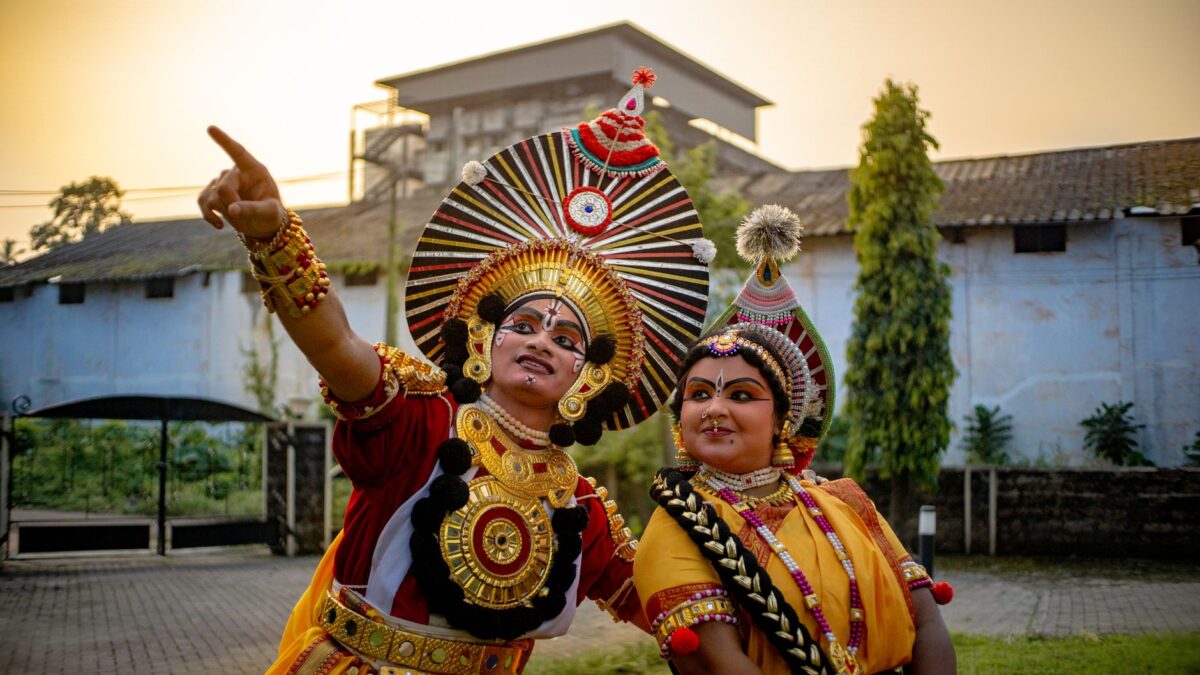
The best time to visit India
Discover the best time to visit India by season. From winter festivals to monsoon greens, get expert tips on weather, crowds, costs, and safety…
 Culture & Etiquette
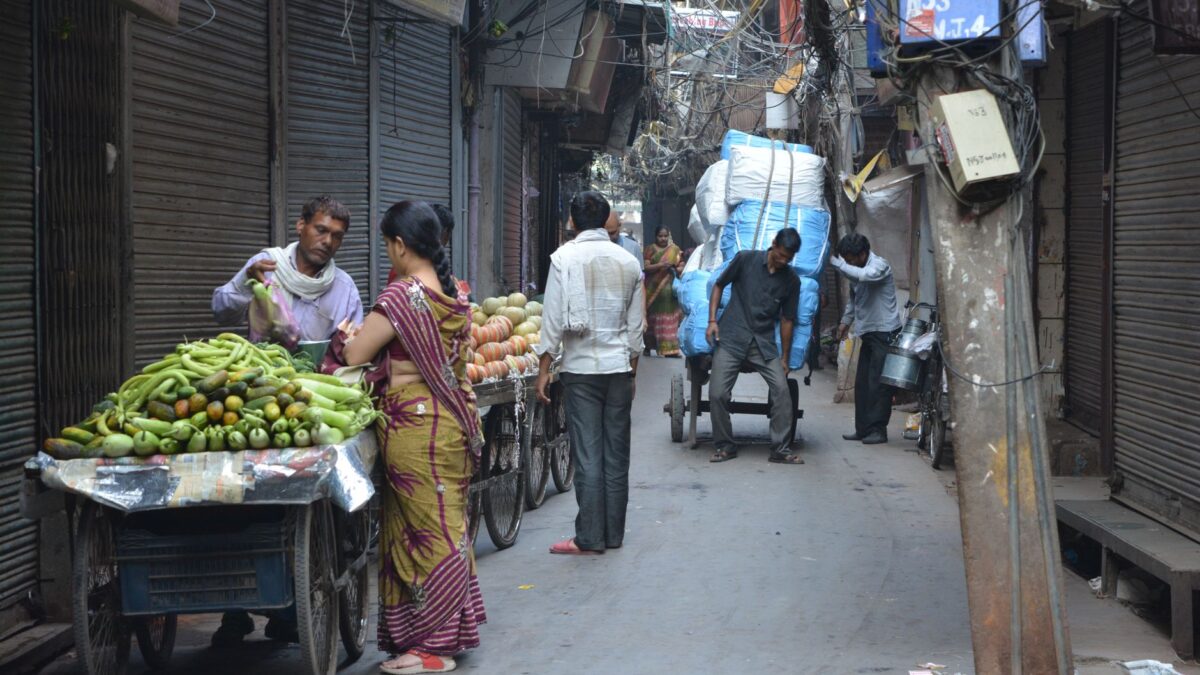
India etiquette: the dos and don’ts
Master India etiquette with our Delhi guide: greetings, dining, tipping, modest dress, and sacred customs for considerate travel in the heart of India.
 News & Updates
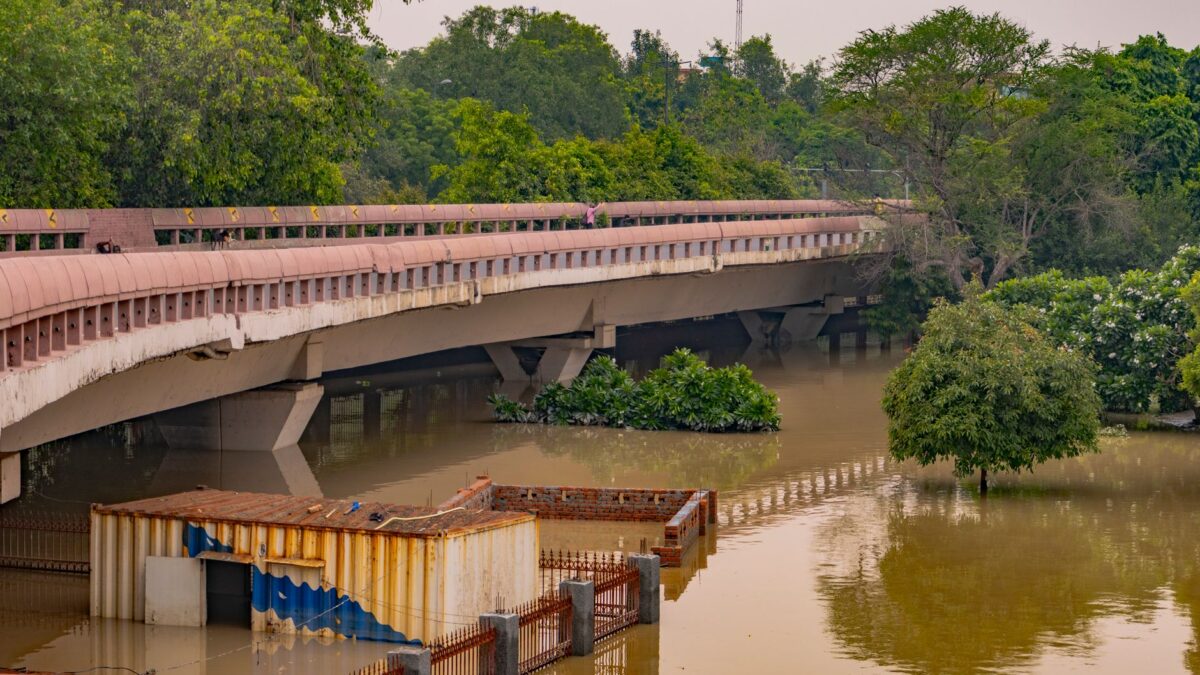
India in August 2026: what travelers should know now
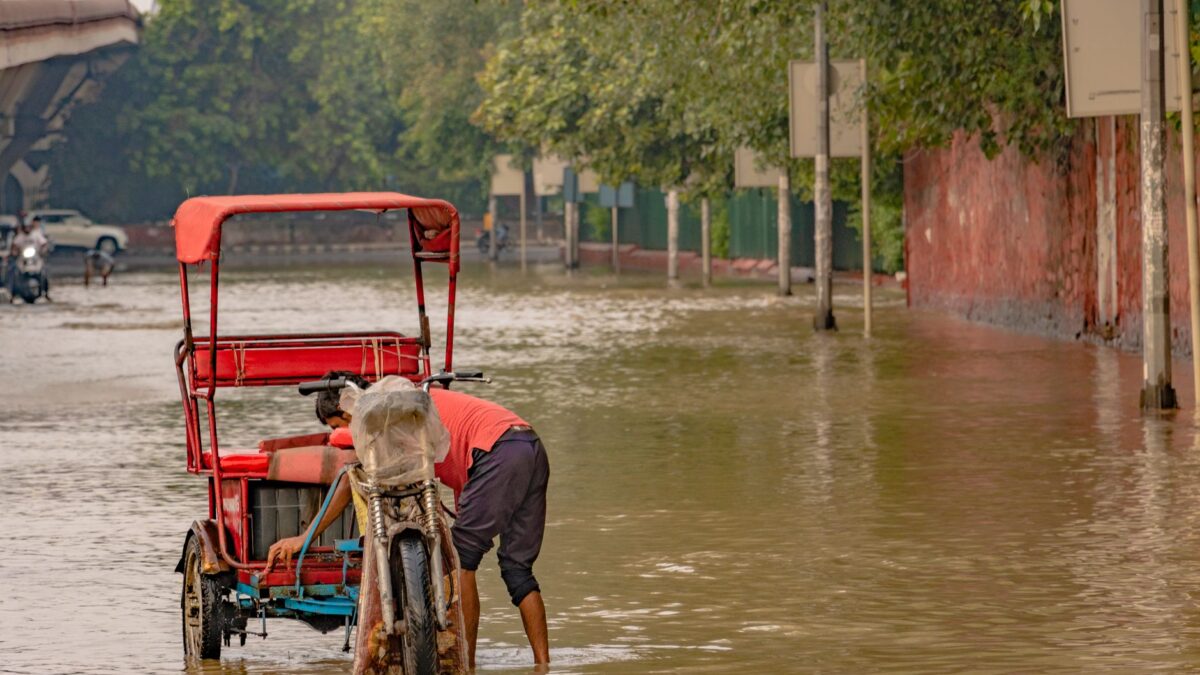
Delhi in August 2026: monsoon weather, Raksha Bandhan rushes, metro closures on MB Road, and top events. Tips for travelers from a local.
 Costs & Money
How much does a trip to India cost?
Realistic India trip costs in rupees: Delhi accommodation, metro fares, food, and entry fees. Budget, mid-range, and comfortable daily totals for 2026.
South Asia
 Sri Lanka
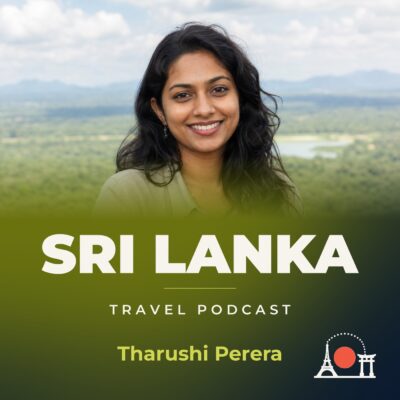
Sri Lanka Travel Podcast with Tharushi Perera
The northeast monsoon, arriving from December to March, brings rain to the northern and eastern shores before the southwest monsoon takes over…
 Nepal
NepalNepal Travel Podcast with Bibek Shrestha
The Tarai plains hold nearly half the population and share a lowland geography with the Ganges river system that shapes life in…
 Maldives
Maldives Travel Podcast with Aishath Nazim
The northeast monsoon brings drier weather from November to March, when the archipelago’s flat coral atolls and white sandy beaches emerge from…
 Bhutan
Bhutan Travel Podcast with Karma Wangchuk
The capital, Thimphu, sits in a central valley where summers turn hot and winters stay cool, while Himalayan passes control routes between…