

Mauritius etiquette: the dos and don’ts
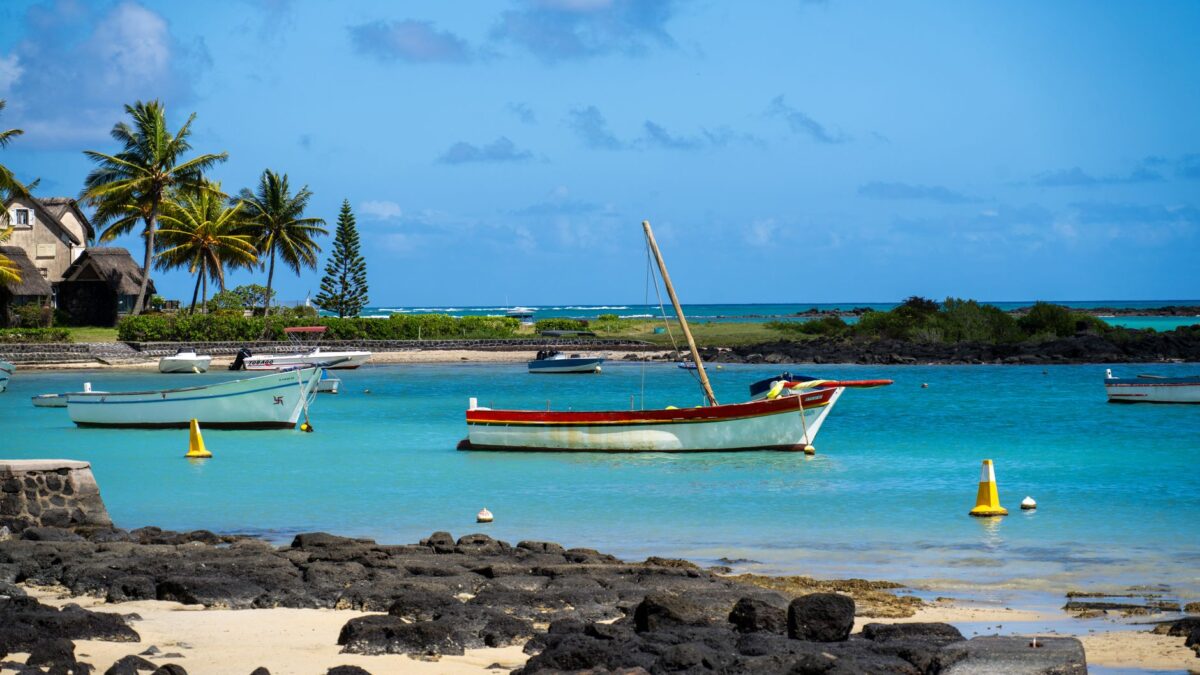
The drizzle has just let up over the Caudan Waterfront, and the air smells of salt, rain on basalt, and the faint char of dholl puri from a stall near the Central Market. It’s late August in Port Louis — the tail end of our cool dry winter — and the city is in that sweet spot between the evening stillness and the cultural rush of spring. You might be here for the Caudan Night Run, or the sega tribute at the Caudan Arts Centre, or simply to wander the courtyards of Aapravasi Ghat and wonder at a history written in stone and sea. But before you dive in, let me be your neighbour. Mauritius isn’t a place you visit like a museum; it’s a place you join. Here’s how to do that with grace.
The Greeting Game: A Nod, a Smile, a Handshake
In Port Louis, you’ll be met with a warm “Bonjour” (or “Bonzour” in Kreol) from shopkeepers, bank tellers, and the man selling alouda at the market. Always return it. A greeting skipped is a small offence. Handshakes are the norm — light, not crushing, often prolonged. When you’re introduced to an elder or someone in a position of respect, soften your handshake and lower your eyes slightly; it signals humility. If you’re invited to someone’s home — and you will be, if you show genuine interest — bring a small gift: pastries, a bottle of Phoenix beer (about Rs 82 a half-litre), or a box of sweets. Avoid white flowers; they’re for funerals. And don’t be surprised if your host offers you tea or coffee immediately. Accept it, even if you’re not thirsty. It’s the opening move of Mauritian hospitality.
Dress: Modest, Smart, and Ready for Sun
Port Louis is a working city, not a resort. While you’ll see swimwear by the coast, in the capital you’ll want to dress like a local: light cotton shirts, knee-length shorts or trousers, comfortable sandals or sneakers. When visiting religious sites — the Jummah Mosque in Chinatown, the Kwan Tee Pagoda, or any Hindu temple — cover your shoulders and knees. Remove your shoes before entering any place of worship, and never point your feet at a statue or altar. During the Caudan Night Run (5km and 10km, with light installations around the waterfront on 22 August), you’ll see plenty of athletic wear, but keep a light layer for the evening breeze — temperatures hover around 20°C after sunset. And if you’re heading to the Salon Prêt à Partir travel fair at SVICC Pailles, or the festival Bouzé dance battles at the Caudan Arts Centre, think smart-casual: Mauritian professionals dress sharply, and you’ll stand out less in a button-down than in a beach tank.
Dining Manners: Eating Like a Local
At a restaurant, you’ll find that Mauritian dining is relaxed but respectful. If you’re invited to a family home, wait to be seated — the eldest often sits first. Use your right hand for the communal platters if you’re sharing, and never let your left hand touch the food vessels. Bread is ubiquitous, used to scoop curries and rougaille; tearing a piece and using it as a spoon is not only acceptable but appreciated. Finish your plate — leaving food can imply you didn’t enjoy it. When you’re at a street stall, like those in the Central Market or Chinatown (try Lanzhou Hand Pulled Noodles on the edge of the quarter), don’t dally. Eat quickly, stand, and make way for others. Tipping is not mandatory but appreciated. A 10% tip at a mid-range restaurant is generous; at the inexpensive spots, rounding up the bill (say, leaving Rs 350 on a Rs 330 meal) is a kind gesture. For a bowl of boulettes — those fish or chicken dumplings that cost around Rs 75–150 — a few rupees left on the counter is a sweet way to say thanks.
The Art of the Transaction: Money, Markets, and More
Mauritius runs on cash for small purchases, but cards are accepted at major venues. The currency is the Mauritian rupee (MUR), and you’ll get about 46 per US dollar. Carry small notes for bus fares (Rs 43 one-way) and street food. If you’re taking the Metro Express from Rose Hill to Port Louis, the ride is around Rs 30 — and you’ll need a MECard, a prepaid smartcard available at stations. At the Central Market, bargaining is expected — but do it with a smile and without aggression. Start at about half the asking price, and settle near two-thirds. If you’re buying dholl puri — the national street snack, a pair goes for Rs 25–35 — don’t bargain. That’s just polite. When you visit the Blue Penny Museum or the Aapravasi Ghat, entry fees are modest, and the staff will appreciate it if you ask before taking photos inside. At Champ de Mars racecourse, where the season runs May to November, a small bet is a local ritual; you’ll often see families with homemade picnics. Join them — it’s not gambling, it’s socialising with a side of form guides.
Navigating the City: Respect the Rhythms
Port Louis has a pulse. It swells in the morning with commuters, peaks at lunchtime when the streets fill with the smell of fried noodles and the clatter of cutlery, and then — abruptly — empties after 6pm. The government offices close, the shops roll down their metal shutters, and the CBD falls quiet. Don’t mistake this for danger; it’s just the rhythm of a capital that sleeps in the suburbs. Keep to well-lit streets if you’re out late, especially near the port. And be pragmatic about safety: avoid flaunting jewellery in the market, and keep your wallet in a front pocket. The city is safe by day, but petty theft happens in crowds. The people are warm, and if you get lost, ask a shopkeeper — they’ll likely walk you halfway to your destination. In the suburbs, like Rose Hill or Curepipe, the pace is gentler. You’ll find creole theatre at the Rose Hill Town Hall and the cool highland air of Floréal, where the colonial villas tell a story of a different era. Always greet the bus conductor or the metro attendant; a simple “Bonjour” breaks the ice and, in Mauritius, that’s the first step to any conversation.
Customs and Quiet Gestures: The Small Things That Matter
Sega music is the heartbeat of the island. When you hear it — at the Caudan Arts Centre during KAPITENN 95, a tribute to the great Michel Legris, or at the Institut Français in Rose Hill during a festival Bouzé finale — let yourself move. The sega is not a passive performance; it’s a call to share in the rhythm. You may be pulled to dance; don’t refuse. It’s an honour. But don’t treat the culture as a spectacle. The sega is rooted in the history of enslaved people; it’s a story of resilience. Approach it with reverence, not just fun.
When you see a Mauritian family with children, a slight nod and a smile is enough; don’t reach out to pat a child’s head — that’s considered intrusive. If you’re invited to a wedding or a religious ceremony, dress conservatively, bring a small envelope with cash (around Rs 1,000 is customary), and prepare to eat a lot. And when you leave a house, always say “Merci” — not just for the meal, but for the company.
One more thing: the word “please” and “thank you” go a long way, but so does a little patience. Mauritius moves at its own pace. The bus arrives when it arrives, the bureaucracy takes its time, and the line at the bank extends. Don’t rush. Watch the light over the Moka mountains, sip a cappuccino (about Rs 110 at Cafe De La Presse), and remember: you’re not here to check off a list. You’re here to be.
And if you miss the last bus, a taxi will cost you around Rs 217 to get started — and the driver will likely want to chat. Let them. That’s where the real Mauritius unfolds.
Frequently asked questions
What is the tipping etiquette in Mauritius?
Tipping is appreciated but not mandatory. At mid-range restaurants, a 10% tip on the bill is generous; at inexpensive spots, rounding up (e.g., leaving Rs 350 on a Rs 330 meal) is a kind gesture. For street food, a few rupees left on the counter is a polite thank-you.
How should I dress when visiting religious sites in Mauritius?
Cover your shoulders and knees at all religious sites, including the Jummah Mosque and the Kwan Tee Pagoda. Remove your shoes before entering any place of worship. In general, Port Louis is a working city, so dress modestly and comfortably — light cotton trousers or knee-length shorts are fine.
What is the currency in Mauritius and how much is a typical meal?
The currency is the Mauritian rupee (MUR), at around 46 rupees per US dollar. An inexpensive local restaurant meal is about Rs 330 (approx. $7), while a mid-range dinner for two is around Rs 1,633 (approx. $35). Street snacks like dholl puri cost Rs 25–35 per pair.
Is it safe to walk around Port Louis at night?
Port Louis is generally safe by day, but the CBD empties after 6pm, and the quieter streets near the port are less safe at night. Stick to well-lit areas and avoid walking alone after dark. Use a taxi if you're out late — a standard start tariff is around Rs 217.
What are some important customs when visiting a Mauritian home?
Bring a small gift like pastries, a bottle of Phoenix beer, or sweets. Avoid white flowers — they're for funerals. Wait to be seated, use your right hand for shared food, and finish your plate. Always accept tea or coffee when offered, and say 'Merci' before leaving.


