

A first-timer’s guide to Ecuador
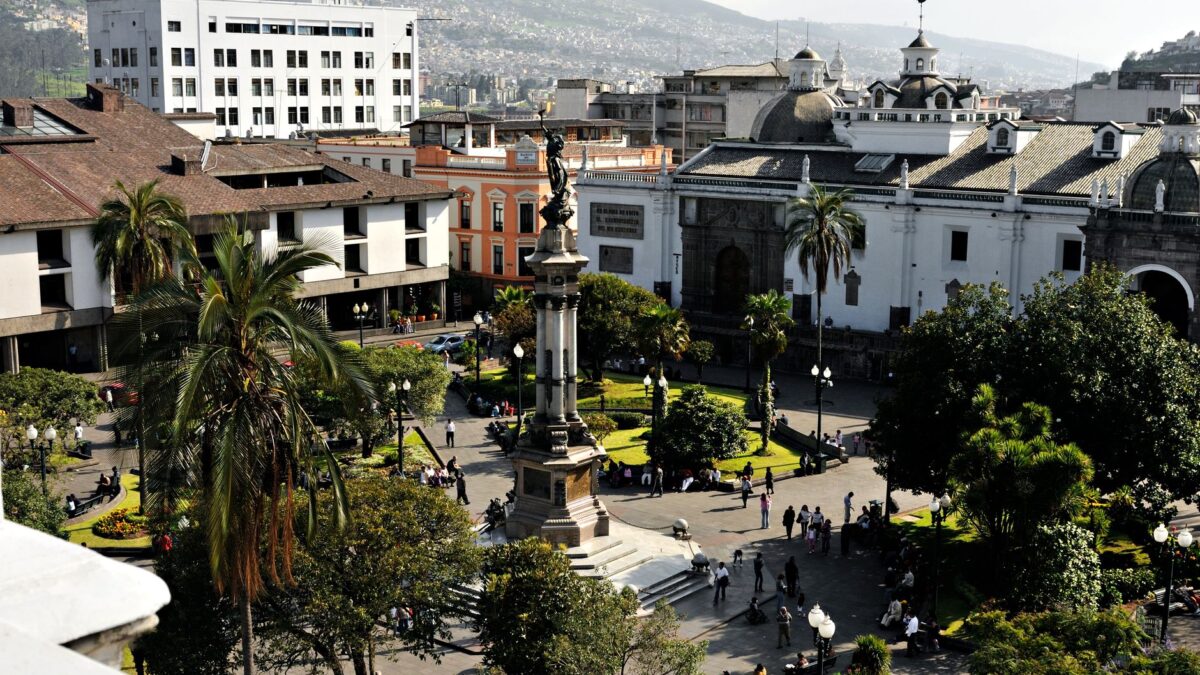
Quito does not announce itself with a roar; it waits for you to catch your breath. Standing in the Plaza Grande, where the Presidential Palace watches over cobblestones worn smooth by centuries of revolutionaries and tourists alike, the air is thin and crisp—currently hovering around 15°C on an overcast September morning. This is the reality of arriving in Ecuador’s capital: a jarring, beautiful shift from sea level to 2,850 meters above it. As someone who has navigated these Andean streets for years, I want to save you the altitude sickness headaches and the tourist traps that clutter the historic center.
When to Come and How Long to Stay
Ecuador’s highlands have two distinct moods: the rainy season (roughly October to May) and the ‘summer’ (June to September). You are visiting right at the tail end of the dry season. Early September offers some of the best weather conditions: crisp, mostly dry days perfect for hiking Cotopaxi or exploring Mitad del Mundo, followed by sharp, cold nights that demand a warm jacket. The schools are back in session, meaning less family traffic, but the city is ramping up its culture season with film and jazz fairs leading into the December Fiestas de Quito.
For duration, aim for at least 7 to 10 days if you want to see more than just the Old Town. Quito is a hub. Dedicate three days to the city itself—one for the colonial spine of La Mariscal and Centro Histórico, one for the bohemian hills of Guápulo and Cumbayá, and one for the modern arts scene in La Floresta. Then, spend another four days branching out. A quick trip to Mindo for cloud forest birding or a weekend in Baños for adventure sports rounds out the quintessential first-timer itinerary. If you rush, you miss the soul of the Andes.
Navigating the City Without Losing Your Head (or Wallet)
Getting around Quito requires a mix of strategy and local knowledge. The city sprawls across a narrow valley, so traffic can be heavy during rush hours. However, the transit system has improved dramatically. Since the launch of Line 1 in 2023, the Metro de Quito is your best friend. It runs north-south from El Labrador to Quitumbe, cutting through the congestion. A single ride costs about $0.45, and you’ll need a rechargeable MetroCard, which also works on the Trolebús and Ecovía bus rapid-transit lines for roughly $0.35 per ride. If you plan to move daily, a monthly public-transport pass runs about $25.00.
For taxis, never hail one off the street in crowded areas. Use apps like Cabify or inDrive. They are safer, cheaper, and provide a digital record of your journey. Avoid dark streets in La Mariscal (the Zona Rosa) and the historic center after dark. While Quito feels markedly calmer than coastal cities like Guayaquil under the current security measures, opportunistic phone-snatching remains common in crowds. Keep your valuables hidden and your wits about you.
If you venture out to the suburbs, note that interprovincial bus fares rose by about 25% in August 2026, so budget accordingly for day trips to the coast or the Amazon. Within the city, however, costs remain stable and affordable.
Money Matters and Eating Like a Local
Ecuador uses the US dollar, which simplifies things immensely—no currency conversion needed. Inflation is low, currently around 0.7%, making this one of Latin America’s most affordable capitals. You will find that your money stretches further here than in most of North America or Europe. A modest one-bedroom flat in the city centre rents for approximately $450 a month, while a cappuccino at a specialty roaster like Coffee Relief or Coati’s Coffee House will set you back about $2.97.
Food is where you should splurge on experience, not just calories. Skip the hotel breakfasts. Instead, head to a local hueco or market stall. At the Mercado Central, you can find a full almuerzo (lunch set) on the second floor—soup, main course, juice, and dessert—for about $3.00. Typical dishes include hornado (roast pork), llapingachos (cheese potato patties), or encebollado (a hearty tuna stew). A mid-range meal for two at a place like Restaurante Casa Gangotena might cost around $40.00, but for everyday eating, $5.00 gets you a fantastic, home-cooked meal.
Banks are plentiful, with Banco Pichincha and Banco Guayaquil being the largest. Opening an account is straightforward if you have your passport and proof of address, though full services usually require your cédula (Ecuadorian ID).
The Essentials First-Timers Wish They Knew
There are nuances to living in Quito that guidebooks often miss. First, the altitude. Do not drink alcohol heavily or exercise vigorously on your first day. Drink coca tea—it’s everywhere—and stay hydrated. Your body needs time to adjust to the 2,850-meter elevation.
Second, understand the district vibes. Centro Histórico is UNESCO-listed and breathtaking by day, with gold-leaf-covered churches like La Compañía de Jesús and the neo-Gothic Basílica del Voto Nacional offering panoramic views from their towers. But it quiets down and can feel sketchy after sunset. For nightlife, stick to La Mariscal, specifically around Plaza Foch, but remain vigilant. For a more authentic, artistic evening, wander through La Floresta, where European films play at Eurocine and craft cafés buzz with creativity.
Third, connectivity. Grab a prepaid SIM card from Claro or Movistar as soon as you land. You’ll need your passport for registration. Both networks work well across Quito and are essential for using ride-share apps and navigation. Data is cheap and fast.
Finally, keep an eye on the cultural landscape. Quito is currently debating the future of its museums following recent funding reforms, with institutions like the Museo Nacional facing potential staffing cuts. Yet, the spirit of the city persists. From the gilded sculptures of the Escuela Quiteña to the modern murals in Bellavista near the Casa Museo Guayasamín, art is woven into the fabric of daily life. Visit the Intiñan Museum at Mitad del Mundo to test gravity on the equator line, and take the TelefériQo cable car up Volcán Pichincha for páramo views that will leave you speechless.
Frequently asked questions
Is Quito expensive for tourists compared to other South American capitals?
Quito is generally more affordable than most Western cities, costing roughly 50–60% less than US prices. While interprovincial bus fares rose recently, local dining and transport remain very cheap, with lunch sets available for around $3.
How do I get around Quito without a car?
The Metro de Quito (Line 1) is efficient and safe, costing about $0.45 per ride with a MetroCard. For taxis, always use apps like Cabify or inDrive rather than hailing on the street, especially at night.
What is the best time of year to visit Quito?
Early September is ideal, marking the end of the dry 'summer' season with crisp, mostly dry days. It is also when the city’s culture season ramps up before the December holidays.
Do I need a visa to enter Ecuador as a tourist?
Most Western passport holders (US, UK, Canada, EU) enter visa-free for 90 days within a rolling 365-day period. Your passport must be valid for at least six months upon entry.
Where is the safest area to stay in Quito?
La Carolina is a modern, safe business district with parks and malls. La Mariscal (Zona Rosa) is popular for tourists but requires caution at night. La Floresta offers a quieter, bohemian vibe with excellent restaurants and galleries.


